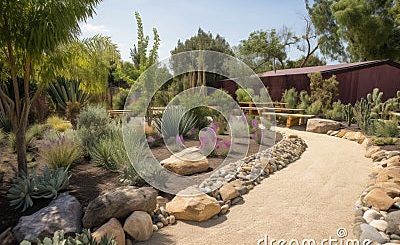

Let’s be honest—when most people hear “xeriscaping,” they picture a sad, gravelly yard with a single, lonely yucca plant baking in the sun. You know the look. It’s the landscaping equivalent of a beige waiting room. But here’s the deal: that reputation is wildly outdated. In fact, modern xeriscaping can be a riot of color, texture, and life—if you choose the right plants. And honestly, nothing delivers that punch of vibrancy quite like succulents.
Sure, succulents are tough. They can shrug off weeks without water, laugh in the face of scorching heat, and thrive in soil that would make a tomato plant weep. But calling them “just hardy” is like calling a peacock “just a bird.” The sheer variety of hues—from deep burgundies to electric lime greens, from dusty blues to fiery oranges—can transform a water-wise garden into a living mosaic. So, let’s dive into how you can build a drought-tolerant paradise that’s less “lunar landscape” and more “living art gallery.”
Why Xeriscaping Doesn’t Have to Be Boring
The old-school approach to water conservation was all about subtraction. Remove the lawn, add rocks, call it a day. But that’s like saying a diet is just about cutting out dessert—you’re missing the whole point of eating well. Xeriscaping, done right, is about working with your climate, not against it. It’s a design philosophy that prioritizes efficiency without sacrificing aesthetics.
Here’s where succulents come in as the unsung heroes. They store water in their leaves, stems, and roots, which means they’re practically self-sufficient. But more importantly, they come in an astonishing array of forms. You’ve got rosettes that mimic flowers, spiky aloes that add architectural drama, and trailing varieties that soften the edges of retaining walls. Mix that with their pigment range, and you’ve got a palette that can rival any perennial border—without the constant need for irrigation.
The Color Spectrum You Didn’t Know Existed
When I say “colorful,” I’m not just talking about the flowers (though those are a bonus). The foliage itself is the star. Take Echeveria ‘Perle von Nürnberg’—it’s a soft lilac-grey that looks like it was dusted with powdered sugar. Or Sedum ‘Firestorm’, which turns a brilliant cherry-red at the tips when stressed by sun and drought. And let’s not forget Aeonium ‘Zwartkop’, whose nearly black, glossy rosettes add a gothic, dramatic flair that contrasts beautifully with brighter neighbors.
Honestly, the trick is to treat them like paint. You wouldn’t use just one shade of blue on a canvas, right? Same goes for succulents. Grouping them by color contrast—say, a deep purple Echeveria next to a chartreuse Sedum—creates visual pop that’s almost electric. It’s a simple trick, but it works.
Designing Your Drought-Tolerant Masterpiece
Okay, so you’re sold on the idea. But where do you start? The beauty of xeriscaping with succulents is that it’s forgiving. Unlike a finicky rose garden, succulents don’t demand perfection. They’re more like that easygoing friend who’s happy to crash on your couch—they’ll adapt to whatever you throw at them, as long as the basics are covered.
Start with the Soil and Drainage
Before you even think about plants, you need to address drainage. Succulents hate wet feet. In fact, more succulents die from overwatering than from neglect. If your soil is heavy clay, you’ll want to amend it with coarse sand, perlite, or pumice. The goal is a gritty, fast-draining mix that mimics their native rocky habitats. Think of it this way: they want a well-draining hiking trail, not a swampy bog.
If you’re working with a slope, even better. Sloped areas naturally shed water, which is perfect. For flat yards, consider building slight mounds or raised beds. It’s a little extra work upfront, but it saves you from the heartbreak of a mushy, rotten root system later.
Planting in Layers for Depth
Don’t just stick everything in a straight line—that’s the fast track to boring. Instead, think in layers. Use taller, structural succulents like Aloe or Agave as the “backbone” of your bed. These are your anchor points, the visual exclamation marks. Then, mid-height plants like Echeveria and Graptopetalum fill in the middle ground. Finally, low-growing ground covers like Sedum or Delosperma (ice plant) spill over edges and knit the whole scene together.
This layering creates a sense of fullness and maturity, even in a young garden. Plus, it gives the eye a journey—up, down, and around. It feels organic, less like a planting and more like a natural occurrence.
Top Colorful Succulents for Xeriscaping
Alright, let’s get specific. Here’s a list of some of the most reliable, colorful, and drought-tolerant succulents that absolutely shine in a xeriscape setting. These aren’t just survivors; they’re show-offs.
- Echeveria ‘Afterglow’ – This one’s a stunner. It has powdery lavender leaves with bright pink edges. In full sun, the color intensifies dramatically. It’s like a sunset you can plant.
- Sedum ‘Autumn Joy’ – A classic for a reason. While the foliage is a nice grey-green, the real show is in late summer when it produces clusters of star-shaped flowers that start pink and age to a coppery rust. Pollinators love it, too.
- Agave ‘Blue Glow’ – For architectural impact, few things beat an agave. This variety has striking blue-grey leaves with a distinct red and yellow margin. It’s sharp, so place it away from walkways, but its symmetry is mesmerizing.
- Delosperma (Ice Plant) ‘Fire Spinner’ – This ground cover is a game-changer. It produces daisy-like flowers in a bizarre, gorgeous combination of orange, purple, and pink. It’s like confetti for the ground.
- Graptopetalum ‘Peach’ – These little rosettes blush a soft peach-pink when they get enough sun. They propagate easily, so you can fill large areas on a budget.
- Aloe ‘Coral Fire’ – A smaller aloe that clumps nicely, with coral-red flowers that attract hummingbirds. The foliage is a deep green with subtle white spots, but the blooms are the main event.
Honestly, you could pick just three of these and have a spectacular display. The key is to mix textures—smooth rosettes against spiky leaves, mounding forms against trailing ones.
Hardscape and Mulch: The Unsung Heroes
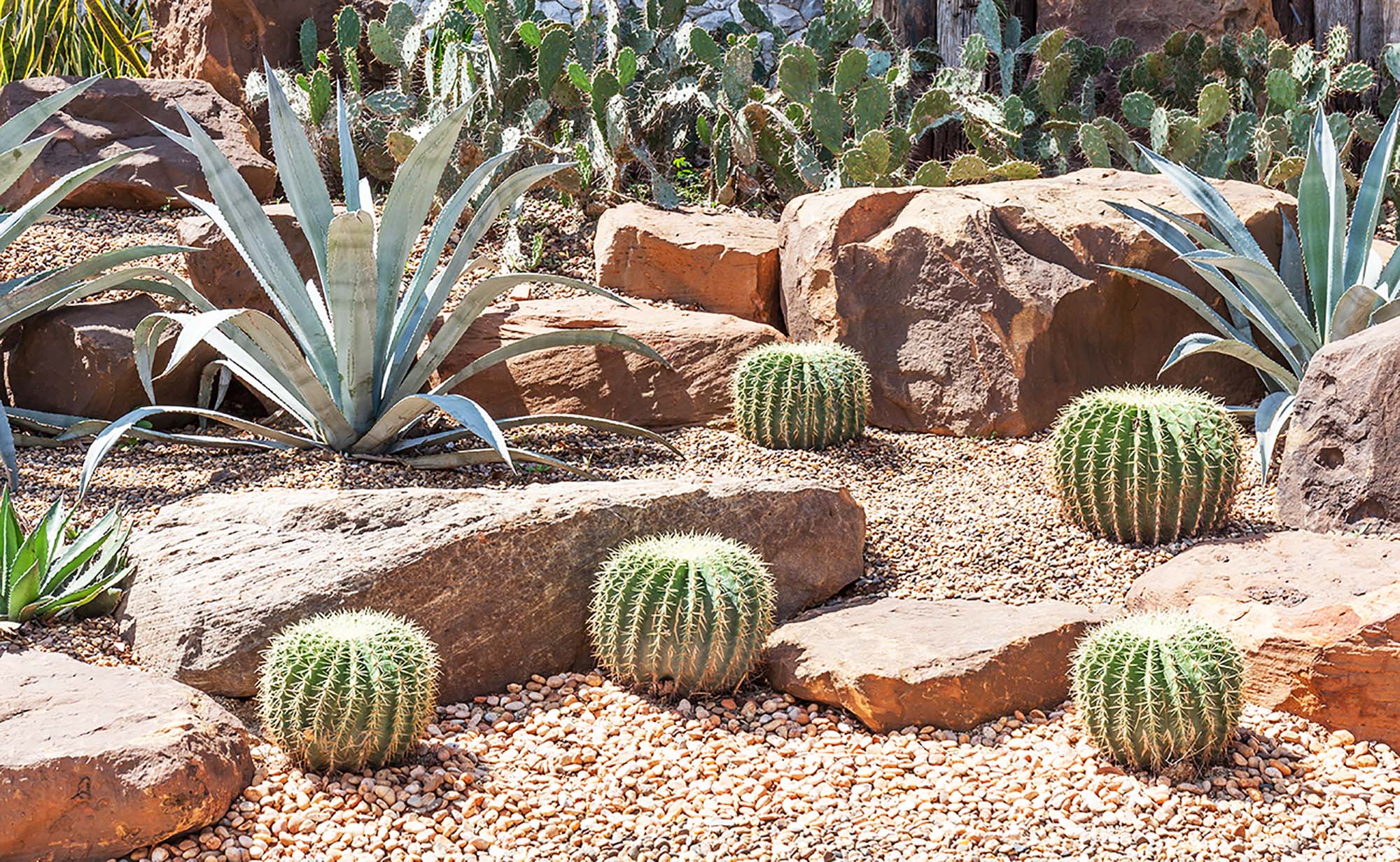
Now, here’s a common mistake I see: people plant succulents and then cover the soil with dark, moisture-retaining bark mulch. That’s a recipe for disaster. Succulents want to be dry. Instead, use inorganic mulches like pea gravel, crushed granite, or even decomposed granite. Not only do these look cleaner and more intentional, but they also help regulate soil temperature and prevent weeds without holding onto excess water.
Consider your hardscape too. Boulders, large rocks, and decorative stones aren’t just filler—they’re functional. They absorb heat during the day and release it at night, which can protect your succulents from light frosts. Plus, they provide a natural-looking backdrop that makes the plants’ colors pop even more. It’s a win-win.
A Quick Note on Watering (Yes, You Still Need To)
Here’s the thing about drought-tolerant gardens: they’re not “no-water” gardens, especially in the first year. You’ll need to establish your plants with regular, deep watering for the first few months. After that, you can taper off significantly. In fact, most established succulents thrive on natural rainfall alone in many climates. But during extended heat waves, a deep soak every few weeks won’t hurt—it’ll actually keep them plump and vibrant.
The trick is to water deeply but infrequently. This encourages roots to grow downward, making plants more resilient. Shallow, frequent watering creates weak, surface-level roots. Think of it like training for a marathon—you want endurance, not a sprint.
Seasonal Interest and Maintenance
One of the best parts of a succulent xeriscape is that it looks good year-round. Deciduous plants lose their leaves; succulents just… sit there, looking fabulous. But they do change subtly with the seasons. Many varieties intensify their colors in response to cooler winter temperatures or brighter summer sun. It’s like they’re putting on a new outfit every few months.
Maintenance is gloriously low. You’ll spend maybe a few hours a year cleaning up dead leaves, dividing overgrown clumps, and pulling the occasional weed. That’s it. No mowing, no edging, no fertilizing (they actually prefer poor soil). It gives you back your weekends.
Dealing with Frost and Extreme Heat
While most succulents love heat, some are frost-tender. If you live in a zone that dips below freezing, you’ll need to be strategic. Plant frost-hardy varieties like Sedum and Sempervivum (hens and chicks) in the ground, and keep the tender Echeverias in pots that you can move to a protected porch or garage. Or, just accept the risk and replant in spring—they’re cheap and fast-growing.
On the flip side, extreme heat (think 100°F+ for weeks) can cause some succulents to go dormant. They might look a little shriveled, but they’re not dying—they’re just conserving energy. A bit of afternoon shade can help prevent sunburn on the most delicate types, but honestly, most will bounce right back when temps cool down.
Putting It All Together: A Sample Layout
Let’s paint a mental picture. Imagine a sunny, south-facing bed that’s about 10 feet by 4 feet. You start with a backdrop of three Agave ‘Blue