
There’s a quiet kind of heartbreak when a washing machine dies mid-cycle. Or when your fridge starts humming like it’s auditioning for a rock band. Appliances aren’t cheap, and honestly, they never seem to fail at a convenient time. The good news? Most of them don’t just drop dead out of nowhere. They wear down slowly — and a lot of that wear comes from how we use them every day.
Appliance lifecycle management isn’t some corporate buzzword reserved for facility managers. It’s just a fancy way of saying: treat your machines well, and they’ll stick around longer. Let’s dive into the habits that actually matter.
Why Appliances Fail Earlier Than They Should
Here’s the deal. Manufacturers build appliances to last a certain number of cycles, hours, or years. But that number assumes “normal” use. And let’s be honest — most of us don’t use our appliances normally. We overload them. We skip maintenance. We ignore weird noises until they become expensive noises.
In fact, studies suggest that nearly 30% of appliance repairs could be avoided with better usage habits. That’s not a small number. That’s your dishwasher, your dryer, your oven — all quietly begging for a little attention.
The Big Three: Refrigerators, Washers, and Dryers
These three workhorses take the most abuse. Let’s break down what actually extends their lifespan.
Refrigerator Habits That Add Years
Your fridge runs 24/7. It never gets a day off. So small inefficiencies compound fast.
- Keep it full but not packed. A full fridge holds cold better, but air needs to circulate. Leave a little breathing room.
- Clean the coils. Twice a year, pull it out and vacuum those dusty coils in the back. Dusty coils = overworked compressor = early death.
- Check the door seals. The dollar bill test works: close the door on a bill. If it slides out easily, replace the gasket.
- Don’t put hot food inside. It forces the compressor to work overtime. Let leftovers cool first.
Sure, these sound minor. But over five or ten years? They’re the difference between a fridge that hums along and one that quits at year seven.
Washing Machine Wisdom
Front-loaders and top-loaders have different quirks, but the core rules overlap.
- Don’t overload. Clothes need to tumble. If you cram them in, the motor and bearings suffer.
- Use the right detergent. Too much soap creates residue that clogs sensors and breeds mold.
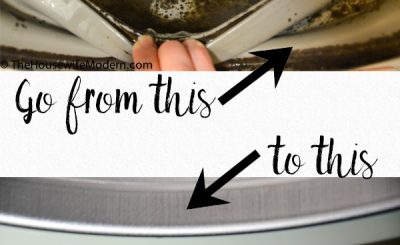
- Leave the door open after cycles. This one’s simple — let it air dry. Mold loves a closed, wet drum.
- Run a cleaning cycle monthly. Vinegar or a commercial cleaner. Your nose will thank you.
And please… check your pockets. Coins and keys are silent killers of drums and pumps.
Dryer Do’s and Don’ts
Dryers are fire hazards when neglected. That’s not dramatic — it’s just true.
- Clean the lint filter every single load. Every. Single. Load.
- Scrub the lint trap housing. Once a month, use a vacuum attachment. Lint hides where you can’t see.
- Check the vent duct. If it’s crushed or full of lint, the dryer runs hot and long. That’s bad for clothes and worse for safety.
- Don’t dry foam, rubber, or anything with oil stains. Just don’t.
The Unspoken Rule: Read the Manual (Yes, Really)
I know. Nobody reads the manual. But here’s the thing — every appliance has specific care instructions that matter. Your oven might have a self-clean feature that actually damages the control board if used too often. Your dishwasher might need a specific type of rinse aid. Your microwave might hate metal racks unless they’re specifically designed for it.
Five minutes with the manual can save you hundreds in repairs. That’s a pretty good trade.
Smart Usage Habits by Appliance Type
Let’s get specific. Here’s a quick-reference table for common appliances.
| Appliance | Key Habit | Frequency |
|---|---|---|
| Dishwasher | Rinse filters and run hot water before starting | Weekly |
| Oven | Avoid self-clean mode unless necessary | Rarely |
| Microwave | Cover food to prevent splatter buildup | Every use |
| HVAC system | Replace filters | Every 1–3 months |
| Water heater | Flush sediment | Annually |
See? Nothing crazy. Just small, repeatable actions.
Power Surges, Voltage, and the Silent Damage
Here’s something most people overlook: your appliances are sensitive to electricity quality. A sudden power surge can fry control boards. Low voltage can make motors strain. And brownouts? They’re quietly brutal.
Using surge protectors for electronics-heavy appliances (like smart fridges and washing machines with digital panels) is a smart move. For larger units, a whole-home surge protector is worth considering. It’s not glamorous, but it’s effective.
When to Repair vs. Replace
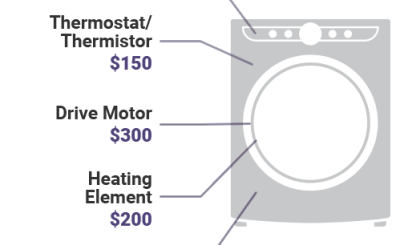
Even with perfect habits, appliances age. The rule of thumb? If the repair costs more than half the price of a new unit — and the appliance is over eight years old — replacement usually wins. But if it’s a simple fix on a well-maintained machine, repair is almost always cheaper.
Track your appliance ages. Write them down. Seriously. A sticky note inside a cabinet works fine. Knowing your fridge is 12 years old changes how you think about a $400 repair.
The Mindset Shift: Ownership, Not Consumption
We live in a disposable culture. Something breaks, we toss it. But appliances aren’t disposable — not financially, not environmentally. Extending their lifespan is a small act of rebellion against that culture.
And honestly? It feels good. There’s a weird satisfaction in a 15-year-old washing machine that still runs like a champ. Not because you got lucky, but because you paid attention.
So clean the coils. Empty the lint trap. Read the manual. Your appliances will repay you with years of quiet, reliable service. And your wallet will quietly thank you too.