

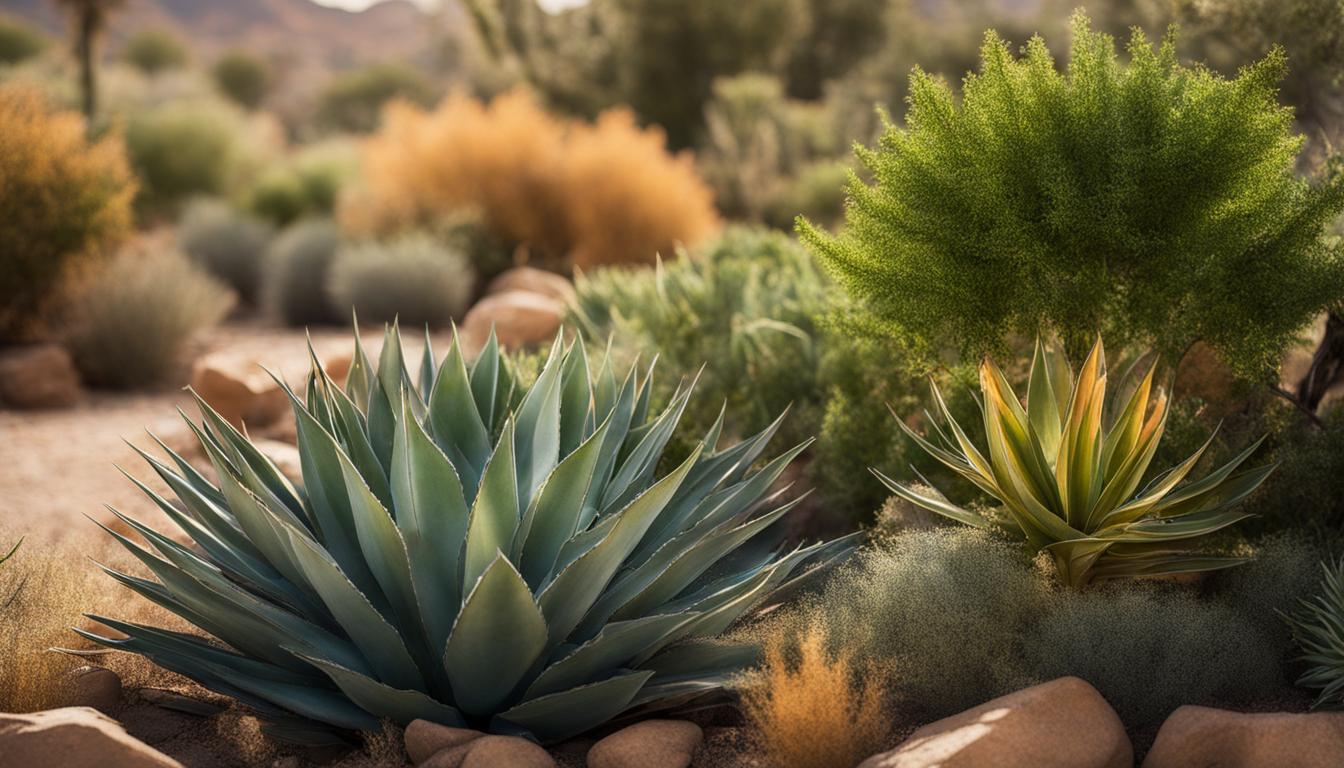
Let’s be honest — urban backyards are getting hit hard these days. One summer it’s a scorcher that turns your lawn into straw, the next it’s a torrential downpour that floods your patio. If you’ve been gardening in a city lot for a while, you’ve probably noticed the whiplash. Climate-resilient landscaping isn’t just a buzzword anymore; it’s a survival strategy for your little patch of green.
And here’s the deal: you don’t need a massive budget or a degree in ecology. You just need to work with the weather instead of against it. Think of your backyard like a tiny ecosystem that can bounce back — not a fragile showpiece that shatters at the first heatwave.
Why Urban Backyards Face Unique Climate Stress
City yards are basically micro-climates on steroids. Concrete and asphalt absorb heat during the day and release it at night — the urban heat island effect. That means your backyard might run 5 to 10 degrees warmer than a suburban garden just a few miles away. Meanwhile, compacted soil and poor drainage turn a sudden storm into a mini flood.
So when we talk about climate-resilient landscaping, we’re really talking about three things: heat tolerance, water management, and soil health. Nail those, and your yard becomes a tough, low-maintenance haven.
Start With the Soil — It’s the Unsung Hero
You know that feeling when you dig into your backyard and hit rock-hard clay? Yeah, that’s a problem. Healthy soil acts like a sponge — it soaks up rain during wet spells and holds moisture during droughts. Poor soil does the opposite.
Here’s a simple fix: add organic matter. Compost, aged manure, leaf mold — whatever you can get your hands on. Spread a 2 to 3 inch layer on top and let the worms do the tilling. No back-breaking digging required. In fact, no-till gardening is one of the best climate-resilient moves you can make.
Key takeaway: Every 1% increase in soil organic matter can hold an extra 20,000 gallons of water per acre. That’s a game-changer for urban lots.
Choose Plants That Laugh at Drought (and Floods)
Native plants are your best friends here. They’ve evolved to handle your region’s mood swings — wet springs, dry summers, whatever comes. But “native” doesn’t mean boring. Think coneflowers, switchgrass, yarrow, and sedum. They look wild and lovely, and they shrug off neglect.
If you want a few non-native workhorses, try these climate-resilient superstars:
- Rosemary — drought-tolerant, evergreen, and smells like heaven.
- Russian sage — silvery foliage, purple spires, thrives in heat.
- Ornamental grasses — their deep roots stabilize soil and handle both extremes.
- Sedums and succulents — perfect for sunny, dry corners.
And sure, you can still grow tomatoes or roses. Just group thirsty plants together in one zone so you’re not wasting water on the whole yard.
Rethink the Lawn (Yes, Really)
I get it — a lush green lawn feels like the American dream. But turfgrass is a thirsty, needy diva. In a climate-resilient backyard, you might shrink the lawn to a small play area and replace the rest with groundcovers like clover, thyme, or creeping sedum.
Clover actually fixes nitrogen in the soil, stays green in drought, and feeds pollinators. Plus, it never needs mowing if you choose a low-growing variety. That’s a win-win-win.
Capture Rain Like a Pro
When rain comes hard and fast, you want it to sink into the ground — not rush into the storm drain. Here are a few practical, affordable techniques:
- Rain barrels — hook one up to a downspout and water your plants for free.
- Rain gardens — a shallow depression planted with thirsty natives that soaks up runoff.
- Permeable paths — use gravel, mulch, or permeable pavers instead of concrete.
- Berms and swales — gentle mounds and shallow channels that guide water where you want it.
Honestly, a simple rain garden can absorb 30% more water than a regular lawn. And it looks like a wildflower meadow, not a construction site.
Shade and Windbreaks: Small Structures, Big Impact
In a hot urban yard, shade is like gold. A strategically placed tree or tall shrub can drop the temperature by 10 degrees. If you don’t have room for a canopy tree, try a vine-covered trellis or a shade sail.
Windbreaks matter too — especially in cities with gusty corridors between buildings. A row of dense shrubs or a fence with gaps can slow wind and reduce evaporation. Your plants will thank you.
Mulch: The Quiet Climate Warrior
Mulch is boring. I know. But it’s also one of the cheapest, easiest ways to make your landscape climate-resilient. A 3-inch layer of wood chips, straw, or shredded leaves keeps soil cool, locks in moisture, and suppresses weeds.
Just don’t pile it against tree trunks — that invites rot. Keep it a few inches away, like a donut, not a volcano.
A Quick Comparison: Traditional vs. Climate-Resilient Yard
| Feature | Traditional Yard | Climate-Resilient Yard |
|---|---|---|
| Water use | High (weekly sprinklers) | Low (rain-fed, drought-tolerant) |
| Soil | Compacted, bare | Mulched, organic-rich |
| Plants | Exotic, thirsty | Native, diverse |
| Flood handling | Runoff, erosion | Absorbs, slows, filters |
| Maintenance | Constant mowing, watering | Minimal after establishment |
Think in Layers and Guilds
Permaculture folks love this idea: plant in layers — groundcovers, herbs, shrubs, small trees. Each layer shades the one below, holds soil, and creates habitat. You can mimic a forest edge in a 10×10 foot backyard. It’s messy, alive, and incredibly resilient.
Pair plants that help each other. For example, deep-rooted comfrey mines nutrients and its leaves make great mulch. Beans fix nitrogen. Marigolds repel pests. It’s like a little neighborhood where everyone pitches in.
Don’t Forget the Hardscape
Your patio, paths, and walls can either fight the climate or work with it. Light-colored pavers reflect heat. Permeable joints let water through. A living wall or green roof on a shed absorbs rain and cools the air.
And if you’re replacing a fence, consider untreated wood or bamboo — they have lower embodied energy than vinyl or aluminum.
Maintenance That Actually Saves You Time
Here’s the irony: climate-resilient landscaping sounds like more work upfront, but it’s way less work later. You’re basically setting up a self-sustaining system. Water deeply but rarely. Let plants self-seed. Leave the leaves in fall — they’re free mulch and butterfly habitat.
Sure, you’ll still pull a few weeds. But you won’t be a slave to the hose or the mower. And that’s a beautiful thing.
The Bigger Picture: Your Yard as a Climate Refuge
Urban backyards, when done right, become tiny climate refuges. They cool the air, soak up rain, feed pollinators, and reconnect you with the seasons. In a world of extreme weather, that’s not just gardening — it’s quiet activism.
So start small. Swap one thirsty shrub for a native. Add a rain barrel. Let a corner go wild. Over time, your backyard will become tougher, livelier, and honestly — a lot more interesting than a plain old lawn.