
Let’s be honest—nobody wakes up thinking about their washing machine’s midlife crisis. But when that spin cycle starts sounding like a dying blender, you suddenly care a whole lot. Appliances are like that quiet coworker who never complains until they just… stop showing up. And when they break? It’s always at the worst possible moment. That’s where appliance lifecycle management steps in—and the newer, shinier sibling: subscription-based repair services.
Here’s the deal: we’re living in an age where everything from your car to your couch can be on a subscription. Why not your refrigerator? Well, it’s happening. Slowly but surely. And it’s not just about fixing things when they break—it’s about planning for their entire lifespan. From the first hum of the compressor to the final, sad click of a dead motor.
What Exactly Is Appliance Lifecycle Management?
Think of it as a retirement plan for your dishwasher. Appliance lifecycle management (ALM) is the process of tracking, maintaining, and eventually replacing your home appliances in a strategic way. It’s not sexy. But it saves you money—and headaches.
ALM covers four stages:
- Acquisition – Buying the right appliance for your needs (and budget).
- Operation – Using it properly, cleaning filters, not overloading it.
- Maintenance – Regular checkups, minor repairs, swapping out worn parts.
- Disposal – Recycling or replacing when it’s beyond saving.
Most people skip straight from acquisition to disposal. They ignore the middle bits—the maintenance part. And that’s where things go wrong. Appliances, like people, need annual checkups. A little TLC goes a long way.
Why ALM Matters More Than You Think
Here’s a stat that might sting: the average American household spends over $500 per year on appliance repairs and replacements. That’s not including the cost of spoiled food or flooded laundry rooms. With proper lifecycle management, you can cut that number by nearly half. Seriously.
And here’s the thing—most appliances have a predictable lifespan. A fridge lasts about 13 years. A dishwasher? Maybe 10. A washing machine? Around 11 years. Knowing these numbers helps you plan. You can set aside a little cash each month instead of scrambling for a credit card when the oven dies mid-Thanksgiving.
But planning is boring, right? I mean, who wants to think about their dryer’s death date? That’s where subscription-based repair services come in—they do the thinking for you.
Subscription-Based Repair Services: The Netflix of Home Maintenance
Imagine paying a flat monthly fee—say, $20 or $30—and never worrying about a broken appliance again. That’s the pitch. Subscription-based repair services are popping up everywhere, from startups to big-box retailers. They’re like extended warranties, but… actually useful.
Here’s how it usually works:
- You sign up for a plan (often tied to a specific appliance or your whole home).
- You pay a monthly or annual fee.
- When something breaks, you call them. They send a technician. You pay little to nothing for the visit or parts.
- Some plans even include regular maintenance—like cleaning your dryer vent or checking your fridge coils.
It’s not perfect. But for a lot of people, it’s a game-changer. Especially for renters or folks who aren’t handy with a wrench.
Who’s Offering These Services?
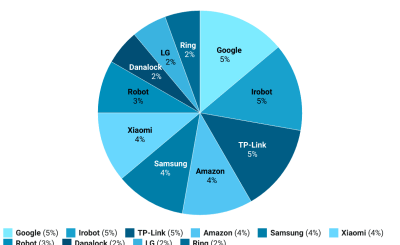
Well, you’ve got names like Cinch Home Services, American Home Shield, and newer players like Frontdoor (which bought the old-school service network). Some appliance manufacturers are even getting in on the action—think Samsung’s subscription repair plans or LG’s “ThinQ Care.”
But here’s the kicker: these plans aren’t all created equal. Some cover everything—including wear and tear. Others only cover mechanical failures. Read the fine print. I’m serious. Because nothing’s worse than paying $30 a month only to find out your busted ice maker isn’t covered.
The Sweet Spot: Combining ALM with Subscription Services
This is where the magic happens. You don’t have to choose between being a spreadsheet-obsessed planner or a “just call someone” type. You can do both.
Think of it like this: appliance lifecycle management is the strategy. Subscription-based repair is the tactical tool. Together, they create a safety net that catches you before you fall into a financial pit.
For example, let’s say you know your water heater is 12 years old (thanks to your ALM tracking). It’s nearing the end of its life. Instead of waiting for it to burst and flood your basement, you sign up for a subscription plan that covers water heaters. When it finally gives out, you’re covered. No panic. No emergency plumber charging triple rates.
That’s peace of mind. And honestly? That’s worth the monthly fee.
But Is It Worth the Cost?
Let’s do some quick math—rough numbers, but you’ll get the idea.
| Scenario | Without Subscription | With Subscription ($25/month) |
|---|---|---|
| Fridge compressor dies (year 5) | $450 repair | $0 (covered) |
| Washing machine drum crack (year 7) | $350 repair | $0 (covered) |
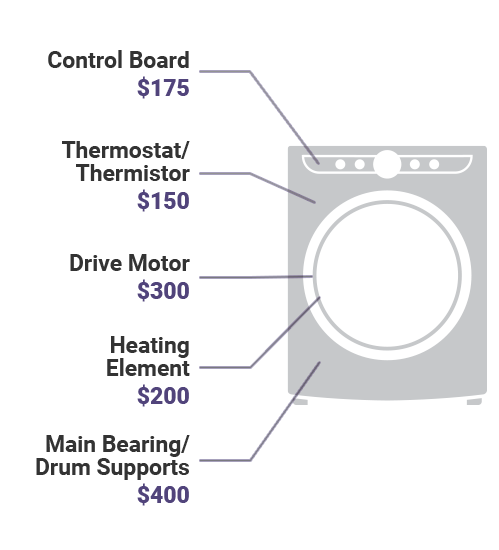
| Oven heating element (year 4) | $200 repair | $0 (covered) |
| Total over 3 years | $1,000 | $900 (subscription fees) |
So yeah—it can break even. But the real savings? Avoiding the surprise. The midnight panic. The “I guess we’re eating out tonight” because the stove is dead. That’s hard to put a price on.
Pain Points These Services Solve (and a Few They Don’t)
Let’s talk about the stuff that keeps you up at night—or at least annoys you on a Tuesday afternoon.
Pain Points Solved:
- Budget shock – Predictable monthly fees vs. unpredictable $500 bills.
- Finding a reliable repair person – The service handles vetting and scheduling.
- Warranty expiration – Most manufacturer warranties last a year. Subscriptions last as long as you pay.
- Lack of maintenance – Some plans include annual checkups, so you don’t forget.
- E-waste guilt – Proper ALM means you repair instead of replace, which is greener.
Pain Points They Don’t Solve:
- Pre-existing conditions – If your fridge is already making weird noises, you might not be covered.
- Cosmetic damage – A dented door? That’s on you, buddy.
- User error – If you overloaded the washer and it breaks, some plans won’t cover it.
- Slow response times – Sometimes you wait days for a technician. Not ideal for a broken freezer in July.
So it’s not a magic wand. But it’s close.
Trends Shaping the Future of Appliance Care
We’re seeing some interesting shifts. Smart appliances—fridges with Wi-Fi, washers that text you—are changing the game. They can self-diagnose. Some can even order replacement parts automatically. Imagine your dishwasher saying, “Hey, my pump is failing. I’ve already scheduled a repair.” That’s not sci-fi. That’s happening now.
And subscription services are piggybacking on this. Some plans now include remote monitoring. They can see your appliance’s health data and schedule maintenance before it breaks. Proactive, not reactive. It’s like having a mechanic who lives inside your dryer.
Another trend? Circular economy thinking. More people want to repair rather than replace. It’s cheaper, and it’s better for the planet. Subscription models align with that—they incentivize companies to keep your stuff running, not sell you new stuff.
How to Start Managing Your Appliances (Without Losing Your Mind)
You don’t need a spreadsheet—though I won’t stop you if that’s your thing. Here’s a simple, human-friendly approach:
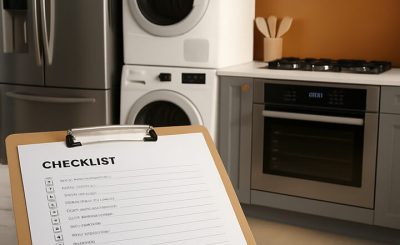
- Make a list – Write down every major appliance you own. Include the model, purchase date, and estimated lifespan. Stick it on your fridge (ironically).
- Set reminders – Use your phone. Every six months, check filters, coils, and seals. Clean the lint trap. Seriously.
- Research subscription plans – Look for plans that cover your specific appliances. Compare costs. Read reviews on Reddit or Consumer Reports.
- Start small – Maybe just cover your fridge and washer first. See how it feels.
- Track repairs – Note what broke and when. Patterns emerge. That’s data you can use.
And hey—if you’re renting, check if your landlord offers a service plan. Some do. It’s worth asking.
The Bottom Line (No Pun Intended)
Appliance lifecycle management and subscription-based repair services aren’t just for tech nerds or people with too much time. They’re for anyone who’s ever stood in a cold shower because the water