
When the sun dips below the horizon, most gardeners call it a day. But that’s when the real action starts. Moths, bats, beetles, and even some birds begin their nightly shift. They’re out there, working hard — pollinating flowers, controlling pests, and keeping your garden ecosystem balanced. So why not design a space just for them?
Honestly, a night garden isn’t just about plants that glow in the moonlight. It’s about creating a sanctuary for creatures that rarely get the spotlight. Let’s walk through how to plan and plant a garden that hums with life after dark.
Why Bother With Nocturnal Pollinators?
You might think bees and butterflies have pollination covered. And sure, they do — during the day. But over 75% of flowering plants rely on animals for pollination, and a solid chunk of those are nocturnal. Moths alone visit thousands of species. Bats pollinate agave, cactus, and tropical fruits. Even some beetles get in on the action.
Here’s the thing: nocturnal pollinators are in decline. Light pollution, habitat loss, and pesticide use hit them hard. By planting for them, you’re not just making your garden cooler at night — you’re supporting biodiversity in a real way.
Who’s Visiting After Sunset?
Let’s meet the night crew:
- Moths — The rockstars of night pollination. They’re drawn to pale, fragrant flowers.
- Bats — In warmer climates, nectar-feeding bats are key. They love tubular blooms.
- Beetles — Ancient pollinators. They go for bowl-shaped flowers with strong scents.
- Fireflies — Not big pollinators, but they eat slugs and snails. Pure magic.
- Nocturnal bees — Yep, some bees work the night shift, especially in tropical areas.
Each has its own preferences. The trick is to cater to all of them — or at least the ones in your region.
Planning Your Night Garden: Location, Light, and Layout
Before you buy a single seed, think about where and how you’ll set things up. A night garden isn’t just a regular garden with a flashlight.
Pick the Right Spot
Choose an area that gets some moonlight — or at least isn’t in deep shadow all night. Near a patio or window works well, so you can actually see the visitors. But avoid placing it right under bright security lights. That’s a deal-breaker for most nocturnal creatures.
Lighting: Less Is More
Here’s a hard truth: light pollution confuses nocturnal pollinators. Moths circle streetlights instead of feeding. Bats avoid lit areas. So go easy on outdoor lighting. Use warm-toned, low-wattage bulbs if you must. Better yet, install motion sensors or timers. And consider moonlight gardening — planting pale flowers that reflect natural light.
One quirk I’ve noticed: a single candle lantern on a table can attract moths without overwhelming them. It’s not scientific, but it works.
Layering for Habitat
Think in layers. Ground cover, shrubs, and trees create microclimates. Bats roost in trees. Beetles hide under leaf litter. Moths rest on stems during the day. A flat, manicured lawn? Not helpful. Messy edges and native plants? That’s where the magic happens.
Best Plants for Nocturnal Pollinators
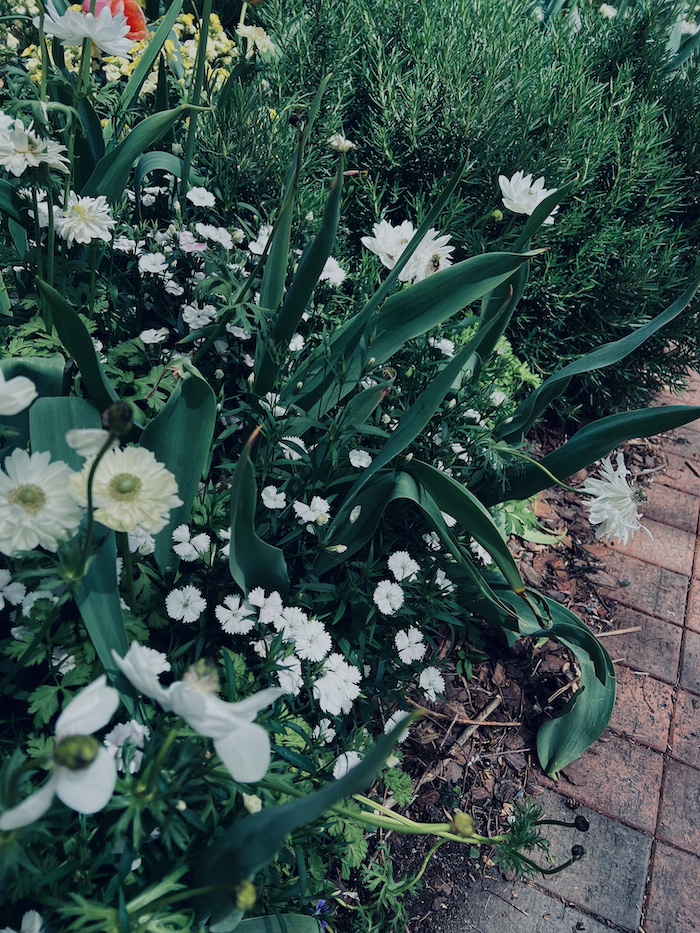
Now for the fun part — what to plant. The key traits? Pale colors (white, cream, pale yellow), strong sweet scents that intensify at night, and tubular or open shapes. Here’s a breakdown by pollinator.
For Moths: Fragrant Night Bloomers
Moths have a superpower: they can smell flowers from miles away. Load up on these:
- Evening primrose — Opens at dusk. Bright yellow. Almost glows.
- Moonflower — A vine with huge white blooms that unfurl in minutes.
- Nicotiana (flowering tobacco) — Sweet perfume, trumpet-shaped.
- Four o’clocks — They literally bloom in late afternoon.
- Night-blooming jasmine — The scent is intoxicating. Use sparingly near windows.
For Bats: Tubular, Nectar-Rich Flowers
If you live in the southern US, Mexico, or tropical areas, bats might visit. They need sturdy flowers that can handle a landing.
- Agave — Especially the century plant. It’s a bat magnet.
- Penstemon (beardtongue) — Tubular, bright red or purple.
- Mexican sunflower — Tall, daisy-like, easy access.
- Wild banana — If you’re in a warm zone.
For Beetles and Others: Bowl-Shaped Blooms
Beetles aren’t picky, but they like landing pads. Think flat or shallow flowers.
- Magnolia — Ancient beetles evolved with these.
- Water lilies — Open at night in some species.
- Yarrow — Clusters of tiny flowers. Easy for beetles to crawl on.
- Goldenrod — Late-season nectar source.
Planting for Wildlife Beyond Pollinators
Pollinators aren’t the only night visitors. You’ll also attract — and support — other wildlife. Frogs, toads, hedgehogs, and owls all benefit from a well-planned night garden.
Water Sources
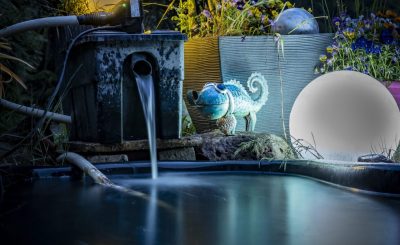
A shallow birdbath or a small pond is gold. But keep it shallow — bats drink on the wing, skimming water. A deeper pond? Add a ramp or rocks so critters can escape. Change water regularly to avoid mosquitoes.
Shelter and Hiding Spots
Leave a brush pile in a corner. Let some leaf litter stay under shrubs. Install a bat house if you’re adventurous. Even a stack of old logs becomes a beetle hotel. These small gestures create a safe zone for nocturnal wildlife to rest and breed.
Practical Tips for Planting and Maintenance
Alright, let’s get down to the dirt. Here’s a quick checklist for planting day.
- Prepare the soil — Most night-blooming plants prefer well-drained soil. Add compost.
- Plant in clusters — Grouping flowers makes it easier for pollinators to find them.
- Water in the evening — That’s when the plants are waking up. Just avoid wetting the blooms.
- Skip pesticides — Seriously. Even organic ones can harm moths and beetles. Use neem oil sparingly.
- Mulch lightly — Helps retain moisture without smothering ground beetles.
One more thing: deadhead spent flowers only during the day. Night-bloomers sometimes produce seeds that birds eat. Leave some for them.
A Sample Night Garden Layout (Table)
If you’re starting from scratch, here’s a simple layout for a 10×10 foot bed. Adjust for your zone.
| Layer | Plant Suggestions | Purpose |
|---|---|---|
| Canopy (tall) | Evening primrose, moonflower vine on trellis | Height, fragrance, visual drama |
| Mid-layer | Nicotiana, four o’clocks, penstemon | Nectar for moths and bats |
| Ground cover | Creeping thyme, sweet alyssum | Low nectar, beetle habitat |
| Edges | Yarrow, goldenrod, native grasses | Shelter, pollen sources |
| Water feature | Shallow dish or small pond | Drinking, bat skimming |
That’s a solid start. You can swap in local natives — they’re always better for your region’s wildlife.
Common Mistakes (And How to Avoid Them)
Even seasoned gardeners slip up. Here are a few hiccups I’ve seen — and made.
- Over-lighting — You’re not hosting a stadium event. Dim it down.
- Planting only annuals — Perennials come back year after year. Moths remember them.
- Ignoring host plants — Moths need plants for their caterpillars. Add some milkweed or oak saplings.
- Too tidy — A spotless garden is a sterile garden. Leave some wild corners.
One time I planted moonflower too close to a porch light. The moths just orbited the light all night. Learn from my mistake.
Enjoying Your Night Garden
You don’t have to stay up all night. But grab a cup of tea around dusk. Sit quietly. Watch the evening primrose pop open — it happens fast. Listen for the hum of moth wings. You might see a bat swoop low for a drink. It’s a different world, right in your backyard.