
Let’s be real—cooking is a deeply personal act. It’s about nourishing yourself, maybe even showing love to others. But when your body doesn’t cooperate the way it used to—whether due to arthritis, a spinal injury, or just the wear and tear of time—the kitchen can feel like a battleground. Honestly, it doesn’t have to be. With the right adaptive tools and a few clever techniques, you can reclaim that space. No, you don’t need a complete kitchen overhaul. Just a shift in mindset… and maybe a few gadgets you didn’t know existed.
Why “Adaptive” Doesn’t Mean “Boring”
I’ve seen people assume adaptive cooking tools are clunky or ugly. But here’s the thing—they’ve come a long way. Sure, some look like they belong in a hospital, but many are sleek, colorful, and even fun to use. Think of them as your kitchen co-pilots. They’re not about limiting you; they’re about unlocking your independence. And that’s a beautiful thing.
Whether you’re dealing with limited grip strength, reduced range of motion, or chronic pain, there’s a tool for that. But tools alone aren’t the whole story. Techniques matter too. Let’s break it down—starting with the stuff you’ll actually want to buy.
Must-Have Adaptive Tools for the Kitchen
Okay, so you’re probably thinking, “Where do I even start?” Well, I’d say focus on the tasks that frustrate you most. For me, it’s opening jars. For others, it’s chopping or lifting heavy pots. Here’s a list of tools that can make a real difference—no fluff.
1. Jar Openers and Grip Aids
Jars are the nemesis of weak hands. Seriously, who designed those lids? A good jar opener can be a simple rubber sheet or a lever-style gadget that mounts under your cabinet. My personal favorite? The one that looks like a pair of pliers with padded jaws. It gives you leverage without crushing your fingers.
Also, consider universal grip pads—those textured silicone sheets. Use them under cutting boards, bowls, or even to twist open stubborn bottle caps. They’re cheap and ridiculously effective.
2. Ergonomic Knives and Cutting Tools
Chopping with a standard knife when your wrists ache? No thanks. Ergonomic knives have angled handles that keep your wrist in a neutral position. Some even have rocker blades—you just press down and rock back and forth. No sawing motion required.
And if you’re worried about safety, look for spring-loaded knives or pizza cutters with large, easy-grip handles. There’s also the one-touch chopper—you press a button and it dices onions for you. Honestly, it feels like cheating.
3. Lightweight Cookware and One-Handed Tools
Heavy cast iron skillets are great for searing, but they’re a nightmare if you have limited mobility. Swap them for lightweight stainless steel or non-stick pans with double handles. Some even have a pour spout on both sides—super handy for draining pasta one-handed.
Speaking of one-handed—rocking T-knives and one-handed cutting boards with spikes to hold food in place are game-changers. You can peel, chop, and slice without needing a second hand to stabilize anything.
4. Adaptive Utensils and Eating Aids
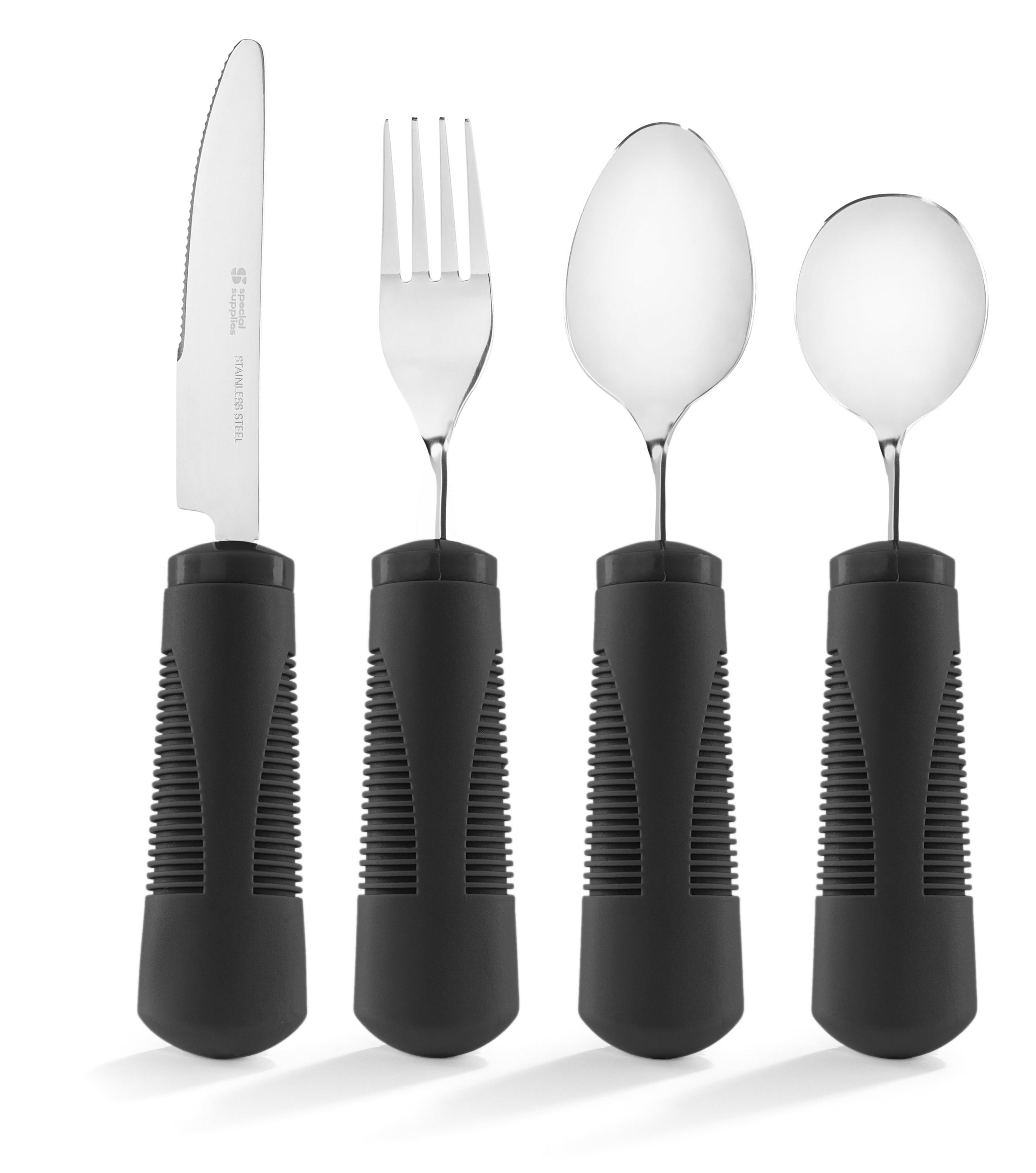
This might sound small, but a weighted spoon or a curved fork can reduce tremors. There are also utensils with built-up foam handles—they’re thicker, so you don’t have to grip as hard. And for stirring? Try a swivel stirrer that rotates with minimal wrist movement.
Oh, and don’t forget non-slip bowls with suction cups on the bottom. They stay put, so you can whisk or mix without chasing the bowl around the counter.
Techniques That Make a World of Difference
Tools are great, but technique is where the magic happens. I’ve learned a few tricks from occupational therapists and home cooks who’ve been doing this for years. Let’s dive into some practical moves.
Work Smarter, Not Harder—Positioning Matters
First, think about your setup. If you’re using a wheelchair, lower your countertops or use a rolling cart that fits under the counter. If you’re standing but have balance issues, a stool with wheels or a perching stool can save your back. The goal is to keep everything within a “reach zone”—no stretching or twisting.
Another trick: prep in stages. Instead of trying to chop, stir, and season all at once, break it down. Set a timer for 10 minutes of prep, then rest. Your body will thank you.
The “Slide and Scoop” Method
Ever try to transfer hot food from a pan to a plate with one hand? It’s a recipe for disaster. Instead, use a cutting board with a lip or a flexible cutting mat. Slide the food off the mat directly into the pan or bowl. No lifting required. For liquids, a spouted measuring cup with a handle on both sides lets you pour with minimal effort.
Batch Cooking and Freezer Hacks
When energy is low, cooking every day feels impossible. So, cook once, eat twice (or three times). Batch cook on a good day—soups, stews, casseroles—and freeze portions in silicone freezer trays or labeled bags. Then, on tough days, you just reheat. No guilt, no stress.
Pro tip: Use ice cube trays for herbs and sauces. Freeze pesto, tomato paste, or ginger in cubes. Pop one out when you need flavor—no chopping.
Small Changes, Big Impact—A Quick Reference Table
Sometimes you just want a cheat sheet. Here’s a table of common kitchen tasks and the adaptive solution that works best.
| Task | Challenge | Adaptive Tool or Technique |
|---|---|---|
| Opening jars | Weak grip or arthritis | Lever-style jar opener or rubber grip pad |
| Chopping vegetables | Wrist pain or tremors | Rocker knife or one-touch chopper |
| Lifting heavy pots | Reduced strength | Lightweight cookware with double handles |
| Stirring thick mixtures | Limited wrist motion | Swivel stirrer or ergonomic spatula |
| Pouring hot liquids | Balance or grip issues | Spouted measuring cup with two handles |
| Peeling fruits/veggies | Fine motor difficulty | Y-peeler with thick handle or electric peeler |
| Reading small measurements | Vision impairment | Large-print measuring cups or talking scale |
Don’t Forget About Safety (Seriously)
I know, safety talk can feel like a buzzkill. But honestly, it’s the foundation of everything. If you’re unsteady, use a non-slip mat under your cutting board and under your feet. Keep a fire extinguisher within easy reach—and not under the sink where you have to bend over. Also, label your spices and ingredients with large, high-contrast text. It’s a small thing that prevents big mistakes.
One more thing: never rush. Cooking with limited mobility isn’t a race. It’s a dance—slow, deliberate, and kind to yourself.
Where to Find These Tools (Without Breaking the Bank)
You don’t need to drop a fortune. Start with occupational therapy catalogs—they often have affordable options. Amazon has a ton, but read reviews carefully. Some “adaptive” tools are gimmicks. Look for ones with adjustable handles or silicone grips. Thrift stores and online marketplaces can also yield gems, like a gently used electric can opener.
And hey, if you’re on a tight budget, DIY hacks work too. Wrap a washcloth around a jar lid for grip. Use a rolling pin to flatten dough instead of kneading. Sometimes the best tool is your own creativity.
The Real Secret? It’s About Mindset
I’ll be honest—there are days when cooking feels like a chore, no matter what tools you have. But adaptive tools aren’t about making everything perfect. They’re about making something possible. A warm bowl of soup. A simple stir-fry. A batch of cookies that smells like home. That’s the win.
So, take it slow. Experiment. Laugh at the mess-ups. And remember—you’re not “less than” because you need a little help. You’re resourceful. You’re adapting. And that’s pretty damn impressive.