
So maybe the changing climate isn’t just a problem to solve. Maybe it’s an invitation to rethink what a garden can be. Something wilder. Something wiser. Something that’s been waiting for us to catch on all along.
And here’s the quiet bonus: these gardens get more beautiful as they mature. They develop texture, movement, and a sense of place that no big-box nursery display can replicate. Your yard starts to look like it belongs — because it does.
So maybe the changing climate isn’t just a problem to solve. Maybe it’s an invitation to rethink what a garden can be. Something wilder. Something wiser. Something that’s been waiting for us to catch on all along.
And here’s the quiet bonus: these gardens get more beautiful as they mature. They develop texture, movement, and a sense of place that no big-box nursery display can replicate. Your yard starts to look like it belongs — because it does.
So maybe the changing climate isn’t just a problem to solve. Maybe it’s an invitation to rethink what a garden can be. Something wilder. Something wiser. Something that’s been waiting for us to catch on all along.
Every native plant you put in the ground is a small act of defiance against a shifting climate. It’s also an act of generosity — to pollinators, to birds, to the soil itself. A drought-tolerant native landscape isn’t just low-maintenance. It’s alive in a way that a lawn never quite manages.
And here’s the quiet bonus: these gardens get more beautiful as they mature. They develop texture, movement, and a sense of place that no big-box nursery display can replicate. Your yard starts to look like it belongs — because it does.
So maybe the changing climate isn’t just a problem to solve. Maybe it’s an invitation to rethink what a garden can be. Something wilder. Something wiser. Something that’s been waiting for us to catch on all along.
Every native plant you put in the ground is a small act of defiance against a shifting climate. It’s also an act of generosity — to pollinators, to birds, to the soil itself. A drought-tolerant native landscape isn’t just low-maintenance. It’s alive in a way that a lawn never quite manages.
And here’s the quiet bonus: these gardens get more beautiful as they mature. They develop texture, movement, and a sense of place that no big-box nursery display can replicate. Your yard starts to look like it belongs — because it does.
So maybe the changing climate isn’t just a problem to solve. Maybe it’s an invitation to rethink what a garden can be. Something wilder. Something wiser. Something that’s been waiting for us to catch on all along.
The Bigger Picture: Landscaping as Climate Resilience
Every native plant you put in the ground is a small act of defiance against a shifting climate. It’s also an act of generosity — to pollinators, to birds, to the soil itself. A drought-tolerant native landscape isn’t just low-maintenance. It’s alive in a way that a lawn never quite manages.
And here’s the quiet bonus: these gardens get more beautiful as they mature. They develop texture, movement, and a sense of place that no big-box nursery display can replicate. Your yard starts to look like it belongs — because it does.
So maybe the changing climate isn’t just a problem to solve. Maybe it’s an invitation to rethink what a garden can be. Something wilder. Something wiser. Something that’s been waiting for us to catch on all along.
The Bigger Picture: Landscaping as Climate Resilience
Every native plant you put in the ground is a small act of defiance against a shifting climate. It’s also an act of generosity — to pollinators, to birds, to the soil itself. A drought-tolerant native landscape isn’t just low-maintenance. It’s alive in a way that a lawn never quite manages.
And here’s the quiet bonus: these gardens get more beautiful as they mature. They develop texture, movement, and a sense of place that no big-box nursery display can replicate. Your yard starts to look like it belongs — because it does.
So maybe the changing climate isn’t just a problem to solve. Maybe it’s an invitation to rethink what a garden can be. Something wilder. Something wiser. Something that’s been waiting for us to catch on all along.
And sure, you might lose a plant or two along the way. That’s gardening. Even the pros do.
The Bigger Picture: Landscaping as Climate Resilience
Every native plant you put in the ground is a small act of defiance against a shifting climate. It’s also an act of generosity — to pollinators, to birds, to the soil itself. A drought-tolerant native landscape isn’t just low-maintenance. It’s alive in a way that a lawn never quite manages.
And here’s the quiet bonus: these gardens get more beautiful as they mature. They develop texture, movement, and a sense of place that no big-box nursery display can replicate. Your yard starts to look like it belongs — because it does.
So maybe the changing climate isn’t just a problem to solve. Maybe it’s an invitation to rethink what a garden can be. Something wilder. Something wiser. Something that’s been waiting for us to catch on all along.
And sure, you might lose a plant or two along the way. That’s gardening. Even the pros do.
The Bigger Picture: Landscaping as Climate Resilience
Every native plant you put in the ground is a small act of defiance against a shifting climate. It’s also an act of generosity — to pollinators, to birds, to the soil itself. A drought-tolerant native landscape isn’t just low-maintenance. It’s alive in a way that a lawn never quite manages.
And here’s the quiet bonus: these gardens get more beautiful as they mature. They develop texture, movement, and a sense of place that no big-box nursery display can replicate. Your yard starts to look like it belongs — because it does.
So maybe the changing climate isn’t just a problem to solve. Maybe it’s an invitation to rethink what a garden can be. Something wilder. Something wiser. Something that’s been waiting for us to catch on all along.
Common Mistakes to Avoid
- Overwatering “just to be safe.” Native plants often die from kindness, not neglect.
- Planting in summer. Fall is your friend — cooler temps and reliable rain help roots settle.
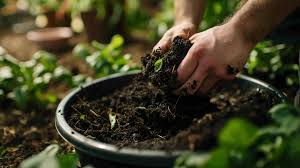
- Using rich soil amendments. Most natives prefer lean, unamended soil. Fancy compost can actually make them floppy and short-lived.
- Ignoring your microclimate. A south-facing slope bakes; a north-facing wall stays cool. Match plants accordingly.
And sure, you might lose a plant or two along the way. That’s gardening. Even the pros do.
The Bigger Picture: Landscaping as Climate Resilience
Every native plant you put in the ground is a small act of defiance against a shifting climate. It’s also an act of generosity — to pollinators, to birds, to the soil itself. A drought-tolerant native landscape isn’t just low-maintenance. It’s alive in a way that a lawn never quite manages.
And here’s the quiet bonus: these gardens get more beautiful as they mature. They develop texture, movement, and a sense of place that no big-box nursery display can replicate. Your yard starts to look like it belongs — because it does.
So maybe the changing climate isn’t just a problem to solve. Maybe it’s an invitation to rethink what a garden can be. Something wilder. Something wiser. Something that’s been waiting for us to catch on all along.
Common Mistakes to Avoid
- Overwatering “just to be safe.” Native plants often die from kindness, not neglect.
- Planting in summer. Fall is your friend — cooler temps and reliable rain help roots settle.
- Using rich soil amendments. Most natives prefer lean, unamended soil. Fancy compost can actually make them floppy and short-lived.
- Ignoring your microclimate. A south-facing slope bakes; a north-facing wall stays cool. Match plants accordingly.
And sure, you might lose a plant or two along the way. That’s gardening. Even the pros do.
The Bigger Picture: Landscaping as Climate Resilience
Every native plant you put in the ground is a small act of defiance against a shifting climate. It’s also an act of generosity — to pollinators, to birds, to the soil itself. A drought-tolerant native landscape isn’t just low-maintenance. It’s alive in a way that a lawn never quite manages.
And here’s the quiet bonus: these gardens get more beautiful as they mature. They develop texture, movement, and a sense of place that no big-box nursery display can replicate. Your yard starts to look like it belongs — because it does.
So maybe the changing climate isn’t just a problem to solve. Maybe it’s an invitation to rethink what a garden can be. Something wilder. Something wiser. Something that’s been waiting for us to catch on all along.
Water deeply but infrequently. This encourages roots to grow downward, chasing moisture. Shallow daily sprinkles do the opposite — they create lazy, surface-hugging roots that collapse the moment you stop watering.
After that establishment window? Most drought-tolerant natives can coast on rainfall alone. Some might look a little ragged in a brutal August, but they’ll return. That’s the deal you make with them.
Common Mistakes to Avoid
- Overwatering “just to be safe.” Native plants often die from kindness, not neglect.
- Planting in summer. Fall is your friend — cooler temps and reliable rain help roots settle.
- Using rich soil amendments. Most natives prefer lean, unamended soil. Fancy compost can actually make them floppy and short-lived.
- Ignoring your microclimate. A south-facing slope bakes; a north-facing wall stays cool. Match plants accordingly.
And sure, you might lose a plant or two along the way. That’s gardening. Even the pros do.
The Bigger Picture: Landscaping as Climate Resilience
Every native plant you put in the ground is a small act of defiance against a shifting climate. It’s also an act of generosity — to pollinators, to birds, to the soil itself. A drought-tolerant native landscape isn’t just low-maintenance. It’s alive in a way that a lawn never quite manages.
And here’s the quiet bonus: these gardens get more beautiful as they mature. They develop texture, movement, and a sense of place that no big-box nursery display can replicate. Your yard starts to look like it belongs — because it does.
So maybe the changing climate isn’t just a problem to solve. Maybe it’s an invitation to rethink what a garden can be. Something wilder. Something wiser. Something that’s been waiting for us to catch on all along.
Water deeply but infrequently. This encourages roots to grow downward, chasing moisture. Shallow daily sprinkles do the opposite — they create lazy, surface-hugging roots that collapse the moment you stop watering.
After that establishment window? Most drought-tolerant natives can coast on rainfall alone. Some might look a little ragged in a brutal August, but they’ll return. That’s the deal you make with them.
Common Mistakes to Avoid
- Overwatering “just to be safe.” Native plants often die from kindness, not neglect.
- Planting in summer. Fall is your friend — cooler temps and reliable rain help roots settle.
- Using rich soil amendments. Most natives prefer lean, unamended soil. Fancy compost can actually make them floppy and short-lived.
- Ignoring your microclimate. A south-facing slope bakes; a north-facing wall stays cool. Match plants accordingly.
And sure, you might lose a plant or two along the way. That’s gardening. Even the pros do.
The Bigger Picture: Landscaping as Climate Resilience
Every native plant you put in the ground is a small act of defiance against a shifting climate. It’s also an act of generosity — to pollinators, to birds, to the soil itself. A drought-tolerant native landscape isn’t just low-maintenance. It’s alive in a way that a lawn never quite manages.
And here’s the quiet bonus: these gardens get more beautiful as they mature. They develop texture, movement, and a sense of place that no big-box nursery display can replicate. Your yard starts to look like it belongs — because it does.
So maybe the changing climate isn’t just a problem to solve. Maybe it’s an invitation to rethink what a garden can be. Something wilder. Something wiser. Something that’s been waiting for us to catch on all along.
Picking plants is one thing. Arranging them so they survive together is another. A few principles help:
Group by water needs
Hydrozoning — yes, it’s a real word — means putting thirsty plants together and drought-lovers together. That way you’re not soaking a dry-adapted plant just to keep its neighbor happy. It’s efficient and, well, just makes sense.
Layer your plantings
Ground covers shade the soil. Mid-height perennials fill the middle. Tall grasses and shrubs anchor the back. This layering mimics natural ecosystems and reduces evaporation from bare ground.
Embrace mulch — but the right kind
Organic mulch like shredded bark or leaves keeps soil cool and moist. Gravel mulch works well in desert gardens. Just avoid piling mulch against plant stems — that invites rot.
The Establishment Period: Where Most People Give Up
Here’s the honest truth nobody tells you: native plants need water during their first year or two. Their roots are still figuring out the terrain. Skip this stage and you’ll lose plants — and blame the plants instead of the process.
Water deeply but infrequently. This encourages roots to grow downward, chasing moisture. Shallow daily sprinkles do the opposite — they create lazy, surface-hugging roots that collapse the moment you stop watering.
After that establishment window? Most drought-tolerant natives can coast on rainfall alone. Some might look a little ragged in a brutal August, but they’ll return. That’s the deal you make with them.
Common Mistakes to Avoid
- Overwatering “just to be safe.” Native plants often die from kindness, not neglect.
- Planting in summer. Fall is your friend — cooler temps and reliable rain help roots settle.
- Using rich soil amendments. Most natives prefer lean, unamended soil. Fancy compost can actually make them floppy and short-lived.
- Ignoring your microclimate. A south-facing slope bakes; a north-facing wall stays cool. Match plants accordingly.
And sure, you might lose a plant or two along the way. That’s gardening. Even the pros do.
The Bigger Picture: Landscaping as Climate Resilience
Every native plant you put in the ground is a small act of defiance against a shifting climate. It’s also an act of generosity — to pollinators, to birds, to the soil itself. A drought-tolerant native landscape isn’t just low-maintenance. It’s alive in a way that a lawn never quite manages.
And here’s the quiet bonus: these gardens get more beautiful as they mature. They develop texture, movement, and a sense of place that no big-box nursery display can replicate. Your yard starts to look like it belongs — because it does.
So maybe the changing climate isn’t just a problem to solve. Maybe it’s an invitation to rethink what a garden can be. Something wilder. Something wiser. Something that’s been waiting for us to catch on all along.
Picking plants is one thing. Arranging them so they survive together is another. A few principles help:
Group by water needs
Hydrozoning — yes, it’s a real word — means putting thirsty plants together and drought-lovers together. That way you’re not soaking a dry-adapted plant just to keep its neighbor happy. It’s efficient and, well, just makes sense.
Layer your plantings
Ground covers shade the soil. Mid-height perennials fill the middle. Tall grasses and shrubs anchor the back. This layering mimics natural ecosystems and reduces evaporation from bare ground.
Embrace mulch — but the right kind
Organic mulch like shredded bark or leaves keeps soil cool and moist. Gravel mulch works well in desert gardens. Just avoid piling mulch against plant stems — that invites rot.
The Establishment Period: Where Most People Give Up
Here’s the honest truth nobody tells you: native plants need water during their first year or two. Their roots are still figuring out the terrain. Skip this stage and you’ll lose plants — and blame the plants instead of the process.
Water deeply but infrequently. This encourages roots to grow downward, chasing moisture. Shallow daily sprinkles do the opposite — they create lazy, surface-hugging roots that collapse the moment you stop watering.
After that establishment window? Most drought-tolerant natives can coast on rainfall alone. Some might look a little ragged in a brutal August, but they’ll return. That’s the deal you make with them.
Common Mistakes to Avoid
- Overwatering “just to be safe.” Native plants often die from kindness, not neglect.
- Planting in summer. Fall is your friend — cooler temps and reliable rain help roots settle.
- Using rich soil amendments. Most natives prefer lean, unamended soil. Fancy compost can actually make them floppy and short-lived.
- Ignoring your microclimate. A south-facing slope bakes; a north-facing wall stays cool. Match plants accordingly.
And sure, you might lose a plant or two along the way. That’s gardening. Even the pros do.
The Bigger Picture: Landscaping as Climate Resilience
Every native plant you put in the ground is a small act of defiance against a shifting climate. It’s also an act of generosity — to pollinators, to birds, to the soil itself. A drought-tolerant native landscape isn’t just low-maintenance. It’s alive in a way that a lawn never quite manages.
And here’s the quiet bonus: these gardens get more beautiful as they mature. They develop texture, movement, and a sense of place that no big-box nursery display can replicate. Your yard starts to look like it belongs — because it does.
So maybe the changing climate isn’t just a problem to solve. Maybe it’s an invitation to rethink what a garden can be. Something wilder. Something wiser. Something that’s been waiting for us to catch on all along.
Something strange is happening in our gardens. The rain that used to arrive like clockwork in April now shows up in February, or not at all. Summers stretch longer, hotter, and drier. Honestly, if you’ve watched your hydrangeas wilt into sad little crisps by July, you already know the old playbook isn’t working anymore.
Here’s the deal: traditional landscaping was designed for a climate that’s quietly disappearing. The good news? Native plants — especially drought-tolerant ones — were built for this. They’ve spent thousands of years adapting to local rainfall patterns, soil conditions, and temperature swings. When the climate shifts, they roll with it far better than exotic ornamentals ever will.
Let’s dive into how you can build a landscape that survives — and honestly, thrives — in a changing world.
Why Native Plants Win in a Drier World
Native plants aren’t just “plants that grow here.” They’re plants that evolved here, tuning their root systems, leaf textures, and water needs to the local rhythm. A deep-rooted prairie grass like little bluestem can send roots six feet down — that’s nature’s own drought insurance policy.
Compare that to a shallow-rooted lawn, which basically lives on life support the moment temperatures climb. Sure, you can water it constantly. But in many regions, water restrictions are becoming a summer tradition, and turf grass can consume 50% or more of a household’s outdoor water use. That’s a lot of effort for a plant that fights you every step of the way.
Native species also support pollinators, birds, and beneficial insects. They don’t need fertilizers or pesticides to look good. And once established — usually after one or two growing seasons — most drought-tolerant natives need zero supplemental watering. Zero. That’s not a typo.
Understanding “Drought-Tolerant” Without the Jargon
Drought tolerance doesn’t mean a plant hates water. It means the plant can survive — and often look perfectly fine — through extended dry spells. Think of it like a camel versus a horse. Both can cross a desert, but one’s built for it.
There are a few tricks plants use to pull this off:
- Deep taproots that reach moisture far below the surface
- Waxy or fuzzy leaves that reduce evaporation
- Dormancy responses — some plants simply go quiet during drought and bounce back after rain
- Small or narrow leaves that expose less surface area to the sun
When you pick natives adapted to your specific region, you’re basically hiring plants that already know these tricks.
Choosing the Right Plants for Your Region
This is where things get personal. A drought-tolerant plant in Arizona is different from one in Minnesota. Your local extension office or native plant society is gold here — they’ll tell you exactly what thrives in your zip code.
That said, here are some broadly reliable native stars by region:
| Region | Drought-Tolerant Native Examples |
|---|---|
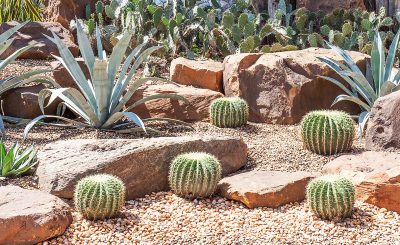
| Southwest | Desert marigold, penstemon, agave, mesquite |
| Great Plains | Little bluestem, purple coneflower, switchgrass |
| Southeast | Black-eyed Susan, beautyberry, muhly grass |
| Pacific Northwest | Oregon grape, red flowering currant, yarrow |
| Northeast | Butterfly weed, switchgrass, New England aster |
Notice a pattern? Many of these are prairie or scrubland species. They’re used to brutal summers and unpredictable rain. In fact, prairie plants often look better in August than they do in June — that’s their moment to shine.
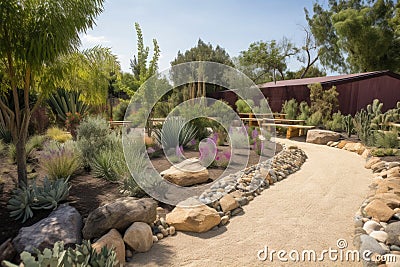
Designing a Landscape That Actually Works
Picking plants is one thing. Arranging them so they survive together is another. A few principles help:
Group by water needs
Hydrozoning — yes, it’s a real word — means putting thirsty plants together and drought-lovers together. That way you’re not soaking a dry-adapted plant just to keep its neighbor happy. It’s efficient and, well, just makes sense.
Layer your plantings
Ground covers shade the soil. Mid-height perennials fill the middle. Tall grasses and shrubs anchor the back. This layering mimics natural ecosystems and reduces evaporation from bare ground.
Embrace mulch — but the right kind
Organic mulch like shredded bark or leaves keeps soil cool and moist. Gravel mulch works well in desert gardens. Just avoid piling mulch against plant stems — that invites rot.
The Establishment Period: Where Most People Give Up
Here’s the honest truth nobody tells you: native plants need water during their first year or two. Their roots are still figuring out the terrain. Skip this stage and you’ll lose plants — and blame the plants instead of the process.
Water deeply but infrequently. This encourages roots to grow downward, chasing moisture. Shallow daily sprinkles do the opposite — they create lazy, surface-hugging roots that collapse the moment you stop watering.
After that establishment window? Most drought-tolerant natives can coast on rainfall alone. Some might look a little ragged in a brutal August, but they’ll return. That’s the deal you make with them.
Common Mistakes to Avoid
- Overwatering “just to be safe.” Native plants often die from kindness, not neglect.
- Planting in summer. Fall is your friend — cooler temps and reliable rain help roots settle.
- Using rich soil amendments. Most natives prefer lean, unamended soil. Fancy compost can actually make them floppy and short-lived.
- Ignoring your microclimate. A south-facing slope bakes; a north-facing wall stays cool. Match plants accordingly.
And sure, you might lose a plant or two along the way. That’s gardening. Even the pros do.
The Bigger Picture: Landscaping as Climate Resilience
Every native plant you put in the ground is a small act of defiance against a shifting climate. It’s also an act of generosity — to pollinators, to birds, to the soil itself. A drought-tolerant native landscape isn’t just low-maintenance. It’s alive in a way that a lawn never quite manages.
And here’s the quiet bonus: these gardens get more beautiful as they mature. They develop texture, movement, and a sense of place that no big-box nursery display can replicate. Your yard starts to look like it belongs — because it does.
So maybe the changing climate isn’t just a problem to solve. Maybe it’s an invitation to rethink what a garden can be. Something wilder. Something wiser. Something that’s been waiting for us to catch on all along.