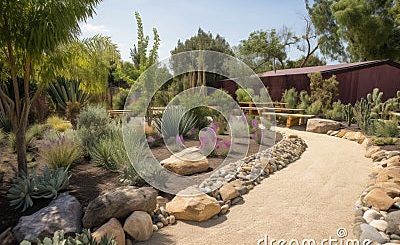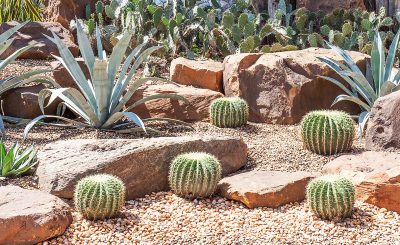

Let’s be honest—watering a garden these days feels a little… guilty sometimes. You stand there with the hose, watching the meter spin, and thinking about the drought warnings on the news. But here’s the thing: your garden doesn’t have to be a water hog. In fact, it can thrive on something totally free—rain. Water-wise gardening with rainwater harvesting isn’t just a trend. It’s a shift in how we think about resources. And honestly? It’s kind of satisfying.
Why rainwater? (It’s not just about saving money)
Sure, rainwater is free. But that’s almost the least interesting part. Rainwater is actually better for your plants than tap water. Why? Because it’s soft, naturally distilled, and free of chlorine, fluoride, and all those municipal additives. Plants drink it up like a fine wine—no chemical aftertaste. Plus, rainwater has a slightly acidic pH, which helps unlock nutrients in the soil. Your tomatoes? They’ll thank you.
And here’s a stat worth bolding: A 1,000-square-foot roof can collect about 600 gallons of water from just one inch of rain. That’s a lot of free hydration. So, if you’re not harvesting, you’re literally letting money—and plant health—drain away.
Getting started: The basic setup (no engineering degree required)
You don’t need a complex system. Honestly, a simple rain barrel under a downspout is enough to make a dent. But if you want to go a bit deeper—pun intended—here’s the breakdown:
1. The catchment area
Your roof is the star. Metal, tile, or asphalt shingles all work. But avoid old roofs with lead flashing or asbestos—those contaminants aren’t plant-friendly. Gutters channel the water, so keep them clean. A little debris can clog everything fast.
2. The diverter and downspout
A simple diverter kit costs about $20–$40. It attaches to your downspout and sends water into your barrel. Most kits have a built-in overflow—so when the barrel’s full, the excess just goes back to the downspout. No flooding, no mess.
3. The storage tank
Plastic barrels are common, but you can also use food-grade drums, collapsible bags, or even decorative urns. Size matters: a 50-gallon barrel fills up fast. If you’ve got a big garden, consider linking multiple barrels together. Or go big with a 200-gallon cistern.
4. The spigot and hose
Most barrels come with a brass spigot near the bottom. Attach a soaker hose or a watering can—no need for a fancy pump unless you’re pressurizing the system. Gravity does the work.
But wait—what about mosquitoes? (The #1 fear)
Yeah, everyone asks this. Mosquitoes love stagnant water. But here’s the fix: use a fine mesh screen over your barrel’s opening. Also, keep the barrel opaque—dark colors block light, which discourages larvae. And if you’re really paranoid, drop a Bacillus thuringiensis israelensis (BTI) dunk in there. It’s a natural bacteria that kills mosquito larvae but is harmless to plants and pets. Problem solved.
Integrating rainwater into your garden routine
Alright, so you’ve got a barrel. Now what? You don’t just dump it all at once. Think of rainwater as a supplement, not a replacement. Here’s a rhythm that works:
- Use rainwater for high-value plants: tomatoes, peppers, leafy greens, and flowers. They respond best to the soft water.
- Save tap water for lawns or large beds where volume matters more than quality.
- Water deeply, not often. Rainwater is perfect for this—it soaks in slowly, encouraging deep roots.
- Check the weather. If rain’s coming, skip the barrel. Let nature refill it.
One quirk I’ve noticed: after a dry spell, the first flush of rainwater can carry roof dust and bird droppings. Some folks install a “first flush diverter” that discards the initial 10–20 gallons. I don’t bother—my plants seem fine—but it’s an option if you’re growing salad greens.
Beyond the barrel: Scaling up for serious gardeners
If you’ve got a vegetable patch or a drought-prone landscape, a single barrel won’t cut it. Here’s where it gets interesting—and a little more involved.
Linking multiple barrels
You can connect two or three barrels with a simple hose at the bottom. When one fills, it overflows into the next. This gives you 150–200 gallons of reserve. Perfect for a medium garden.
Underground cisterns
These are the big leagues. A 500-gallon poly tank buried near your garden can store enough water for a whole season. You’ll need a pump (solar-powered, ideally) to move the water. It’s an investment—think $500–$1,500—but it pays off if you’re in a dry climate. Plus, it’s hidden underground, so no eyesore.
Rain gardens and swales
This is passive harvesting. You dig a shallow depression (a swale) or plant a rain garden with native, water-loving plants. When it rains, water collects there and slowly soaks into the ground. It’s like a sponge for your yard. No barrels needed—just smart landscaping.
Common mistakes (and how to avoid them)
I’ve made a few of these myself. Learn from my blunders:
- Not cleaning gutters. Leaves and gunk turn your barrel into a swamp. Clean gutters twice a year.
- Using a metal barrel. Rust happens. Stick to food-grade plastic or dark-colored HDPE.
- Forgetting to winterize. In freezing climates, drain your barrel before the first frost. Ice can crack plastic.
- Overwatering. Just because you have free water doesn’t mean you should drown your plants. Check soil moisture first.
Oh, and one more: don’t drink the water. It’s for plants, not people. Unless you’ve got a proper filtration system—then go ahead, but that’s a whole other article.
Water-wise gardening: A quick comparison of methods
Sometimes a table helps visualize the options. Here’s a rough guide:
| Method | Cost | Water Storage | Best For |
|---|---|---|---|
| Single rain barrel | $50–$100 | 50–60 gallons | Small gardens, container plants |
| Linked barrels | $150–$300 | 150–200 gallons | Medium vegetable beds |
| Underground cistern | $500–$1,500 | 500+ gallons | Large landscapes, drought areas |
| Rain garden/swale | $100–$500 | Passive infiltration | Lawns, erosion control |
See? There’s a setup for every budget and space. Even a $50 barrel can make a difference—it’s not about perfection, it’s about starting.
The bigger picture: Why this matters right now
Water scarcity isn’t some distant problem. In 2024, over half the U.S. faced some level of drought. And climate models say it’s going to get weirder—more intense storms followed by longer dry spells. Rainwater harvesting is a way to buffer that unpredictability. You capture the deluge, store it, and use it during the dry times. It’s like a savings account for your garden.
Plus, it reduces stormwater runoff. That’s the water that picks up oil, fertilizer, and trash from streets and dumps it into rivers. Every gallon you harvest is a gallon that doesn’t become pollution. Small act, big ripple.
A few final thoughts (no, not a sales pitch)
Look, I’m not saying you need to rip out your lawn or live off-grid. Water-wise gardening with rainwater harvesting is just… smarter. It’s about working with nature instead of against it. You’ll save a little money, sure. But more than that, you’ll feel a weird pride every time it rains. Like, “Yeah, I got this.”
So grab a barrel. Clean your gutters. And let the sky do the watering. Your garden—and your water bill—will thank you.