
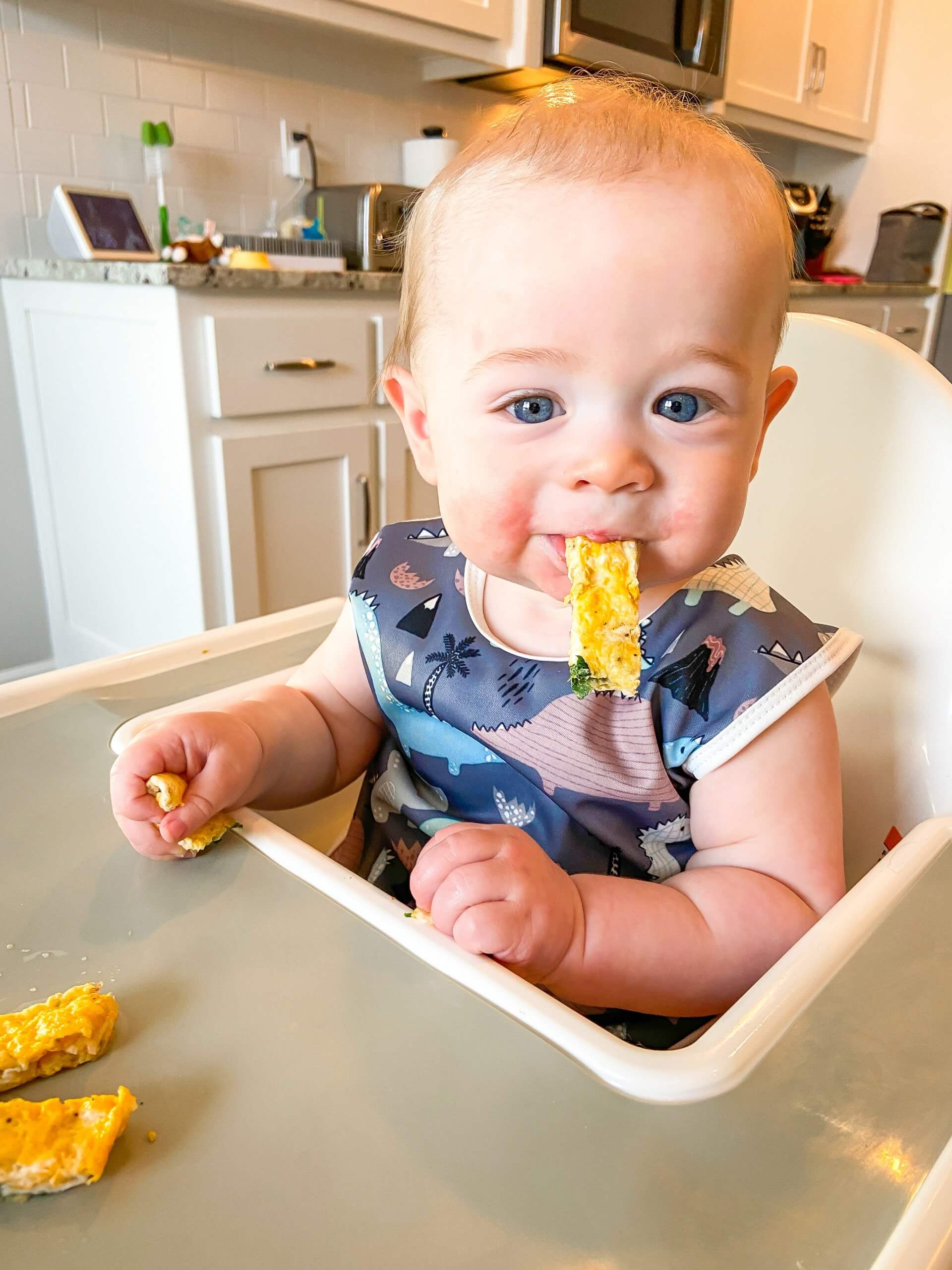
So, you’re diving into baby-led weaning (BLW). Awesome. You’ve got the high chair, the silicone bibs, and a freezer full of steamed broccoli. But here’s the thing nobody talks about — kitchen tool safety for infants. Not just the food, but the gear. The stuff you’re handing over or letting them touch. It’s a whole different ballgame when your six-month-old has a spoon in their hand and a mission.
Why kitchen tools matter in BLW (more than you think)
Look, BLW is about independence. Your baby grabs, squishes, and explores. But those tools? They’re not toys. A metal fork can be a hazard. A glass bowl can shatter. And honestly, the wrong spoon can turn mealtime into a gagging fest. I’ve seen parents hand over a ceramic ramekin and think, “It’s fine.” It’s not always fine.
Infants have soft gums, tiny hands, and zero impulse control. So, kitchen tool safety isn’t just about choking — it’s about cuts, bumps, and even chemical exposure. Let’s break it down, piece by piece.
The big three: spoons, forks, and cups
Spoons: the gateway tool
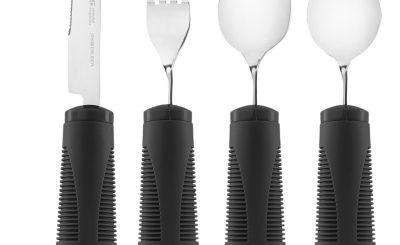
You’ll probably start with spoons. But not just any spoon. Silicone spoons are your best friend here. They’re soft, flexible, and gentle on gums. Metal spoons? Hard pass. They can hurt, and babies sometimes bite down hard — that clank against teeth is no joke. Plastic spoons are okay, but check for BPA-free labels. Some cheap ones leach chemicals when heated.
Pro tip: Look for spoons with a shallow bowl. Too deep, and your baby might struggle to get the food off. And if they’re self-feeding, a chunky handle helps — easier grip, less frustration. Honestly, I’ve seen babies toss a spoon across the room because it was too slippery.
Forks: wait, really?
Fork safety is a bigger deal than you’d expect. For BLW, you want blunt, rounded tines. No sharp edges. Some baby forks are almost like mini rakes — they’re designed to pierce soft food, not gums. I’ve used the ones from brands like EZPZ or Munchkin, and they work well. But here’s the kicker: don’t hand a fork to a baby under 8-9 months unless they’re ready. Some kids just mash food with their hands, and that’s fine. Forcing a fork too early can lead to pokes.
Also, avoid metal forks entirely for infants. Even the “safe” toddler ones can scratch. Stick to silicone or food-grade plastic.
Cups: open vs. straw
Open cups are great for development, but they’re messy. For safety, use a small, weighted cup with a wide base — less tipping, less spill. Straw cups are popular, but some have hard straws that can jab the back of the throat. Soft silicone straws are safer. And please, avoid glass cups. I know they’re trendy, but one drop and you’ve got shards everywhere. Not worth it.
Bowls, plates, and the suction cup trap
Suction plates are a BLW staple. They stick to the table, so your baby can’t launch them across the room. But here’s a weird safety thing: suction cups can be too strong. I’ve seen babies yank so hard that the plate flips, and food goes everywhere. Or worse, they pull the whole high chair tray. Not ideal.
Look for bowls with a gentle suction — enough to stay put, but not so strong that it’s a hazard. Also, check for deep edges. Shallow bowls let babies scoop easier, but they also let food fly. Deep bowls are safer for liquids, but can be harder to clean. It’s a trade-off.
Material-wise, silicone is king. It’s soft, dishwasher-safe, and won’t break. Melamine plates? Cute, but they can crack and chip. And bamboo is trendy but can splinter if chewed. Stick to food-grade silicone or stainless steel (with a silicone sleeve for grip).
Cutting boards and knives: the parent’s domain
Okay, this one’s for you, not the baby. But it still matters. When prepping BLW food, you’ll use knives and cutting boards. Use a separate cutting board for baby food. Cross-contamination is real. I use a small, color-coded board for fruits and veggies. And never use a dull knife — it’s more likely to slip and cut you. A sharp chef’s knife is safer for you, which means safer for baby.
Also, keep knives out of reach. Obvious, right? But you’d be surprised how many parents leave a knife on the counter while their baby’s in the high chair. Babies grab things fast. Like, lightning fast.
Steamers, blenders, and hot surfaces
BLW often involves steaming veggies to a soft, grippable texture. Steamers are great, but watch the steam burns. I’ve burned my own hand opening a steamer basket too fast. For baby, never let them near a hot steamer or pot. Even the handle can get hot. Use oven mitts and let food cool completely before serving.
Blenders are another thing. If you’re making purees (even for dipping), keep the blender cord tucked away. Babies love cords. And the blades? Obviously dangerous. But also, the lid can pop off if you blend hot liquids. Let food cool first, or use a vented lid.
Gadgets to avoid (and a few to love)
Not every “baby kitchen tool” is worth it. Here’s a quick rundown:
- Avoid: Glass baby food jars (breakable), metal mesh feeders (hard to clean, can harbor bacteria), and cheap plastic utensils with sharp seams.
- Love: Silicone feeder pouches (for teething), a good steamer basket, and a food chopper (for quick prep).
- Maybe skip: Baby-specific knife sets. Just use a crinkle cutter for fun shapes — safer and easier.
One more thing: avoid tools with small parts. Suction cup bases that detach? Those can be a choking hazard. Check for loose pieces regularly.
Cleaning and hygiene: the hidden safety layer
Kitchen tool safety isn’t just about physical harm. It’s about bacteria. Babies have immature immune systems. So, wash all tools before first use and after every meal. Silicone can go in the dishwasher, but hand wash wooden items (they can crack).
Also, check for mold. I’ve found mold in straw cups that I thought were clean. Use a brush for straws. And replace any tool that shows wear — cracks, chips, or discoloration. It’s not worth the risk.
Real talk: what I wish I knew
Honestly, I started BLW with a lot of enthusiasm and a few bad choices. I bought a glass bowl because it was “aesthetic.” It broke within a week. I handed my baby a metal spoon and watched him gum it like a teether — not dangerous, but uncomfortable. And I once left a knife on the counter while he was in his high chair. He grabbed it. Nothing happened, but my heart stopped.
The point is: kitchen tool safety is about anticipation. Think ahead. What will your baby do with that spoon? Throw it? Chew it? Stick it in their ear? (Yes, that happens.) Choose tools that can handle the chaos.
A quick safety checklist for your BLW kitchen
| Tool | Safe choice | What to avoid |
|---|---|---|
| Spoons | Silicone, shallow bowl, thick handle | Metal, sharp edges, hard plastic |
| Forks | Blunt tines, silicone or soft plastic | Metal, sharp tines |
| Cups | Weighted base, soft straw, silicone | Glass, hard straws, narrow base |
| Bowls/Plates | Silicone, gentle suction, deep edges | Glass, melamine, too-strong suction |
| Cutting boards | Separate board for baby, non-slip | Cross-contamination, dull knives |
| Steamers/Blenders | Cool-touch handles, cord management | Hot surfaces, exposed cords |
Keep this list handy. It’s not exhaustive, but it covers the basics. And remember, every baby is different. Some are gentle, some are little wrecking balls. Adjust accordingly.
Final thoughts (no fluff, just realness)
Child-led weaning is messy, beautiful, and a little terrifying. But the right kitchen tools make it safer — not just for your baby, but for your sanity. You don’t need a drawer full of gadgets. You need a few solid, well-chosen items that can take a beating and keep your little one safe.
So, next time you’re shopping for BLW gear, pause. Ask yourself: “Is this tool safe for a baby who might chew it, drop it, or throw it?” If the answer is “maybe not,” pass. Your baby’s safety is worth the extra second of thought.
And hey, you’re doing great. Trust your instincts, keep the knives out of reach, and let the mess happen. It’s all part of the journey.