
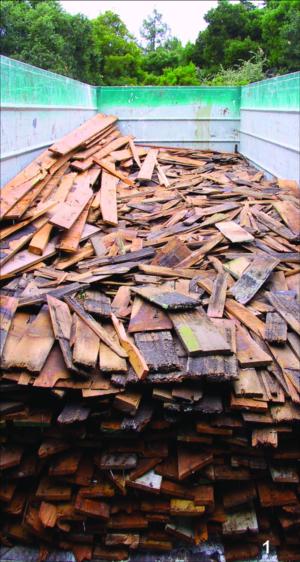
Let’s be honest. The typical renovation story goes like this: a dumpster rolls up, gets filled to the brim with old cabinets, broken tiles, and chunks of drywall, and then it all vanishes—out of sight, out of mind. But that “mind” part is starting to itch. We’re waking up to the sheer waste of it all, the cost, and honestly, the missed creative opportunity.
That’s where the circular economy swoops in. It’s a fancy term for a beautifully simple idea: stop thinking “take, make, waste” and start thinking “regenerate, repurpose, restore.” In your home, it means treating materials like they have endless potential, not a one-way ticket to the landfill. It’s about smart sourcing and clever repurposing. And it can transform your renovation from a costly, wasteful chore into a deeply satisfying, unique project.
Why Bother? The Real-World Perks of a Circular Renovation
Sure, helping the planet feels good. But a circular approach delivers tangible benefits you can touch, see, and, yes, count in your bank account.
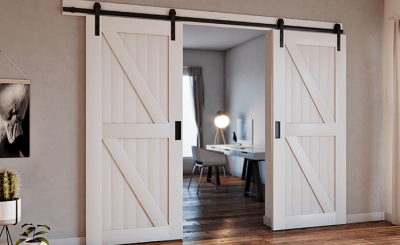
- Unique Character: Mass-produced stuff from a big-box store looks… well, mass-produced. Salvaged barn wood, vintage hardware, a reclaimed sink—these pieces have history. They tell a story and give your home a soul that flat-pack furniture just can’t match.
- Serious Cost Savings: This is a big one. High-quality used materials often cost a fraction of their new counterparts. You might snag solid oak flooring for the price of laminate, or find a perfectly good $800 light fixture for $150.
- Lower Environmental Footprint: You’re reducing demand for new resource extraction, cutting manufacturing emissions, and keeping waste out of overloaded landfills. It’s a direct, personal climate action.
- Supporting Local Economies: You’re more likely to buy from a local architectural salvage yard, a community ReStore, or a skilled local craftsman than a multinational corporation. Your money stays closer to home.
The Treasure Hunt: Where to Source Circular Materials
Okay, you’re sold. But where do you even start looking? The hunt is half the fun—think of it as a grown-up scavenger hunt for your home.
1. Architectural Salvage Yards & ReStores
These are the goldmines. Salvage yards are often packed with doors, windows, mantels, clawfoot tubs, and antique fixtures. Habitat for Humanity ReStores are more accessible and fantastic for things like cabinets, appliances, tiles, and hardware. Inventory changes daily, so visit often.
2. Online Marketplaces & Community Hubs
Don’t underestimate the power of your local network. Facebook Marketplace, Craigslist, and Nextdoor are full of people giving away or selling materials from their own recent projects. Also, look for “Buy Nothing” groups in your area—it’s pure gift economy magic.
3. Deconstruction & “Pre-Cycling” Services
Instead of demolition, some companies specialize in careful deconstruction. They’ll meticulously take apart a structure to preserve the materials for reuse. You can also “pre-cycle”—offer your own old materials to these services before you even start your demo. It might take an extra day, but the materials (and your conscience) stay in the loop.
From “Junk” to Genius: Practical Repurposing Ideas
Here’s where creativity kicks in. Repurposing isn’t just about using an old thing for its old job. It’s about seeing new potential.
| Old Item | New Life in Your Renovation |
| Wooden doors | Desk top, headboard, wall paneling, or a sturdy workbench surface. |
| Glass cabinet doors | Transformed into a picture frame, a greenhouse panel, or a chic tray. |
| Old bricks or pavers | Garden edging, a fireplace surround, or bookends. |
| Vintage ladders | Become a quirky bookshelf, a blanket rack, or potted plant display. |
| Leftover tiles | Create a mosaic backsplash, coasters, or a decorative patio tabletop. |
And let’s talk about kitchens—a renovation hotspot. Instead of ripping out those 90s oak cabinets, consider repainting or refacing them. Swap out the hardware for something modern. That old butcher block countertop? Sand it down and re-oil it; the patina is priceless. It’s about renewal, not replacement.
Navigating the Challenges (Let’s Be Real)
It’s not all rustic, Instagram-perfect bliss. A circular renovation requires a different mindset. You need more time for the hunt. Measurements need to be flexible—you might design around a found gem. Sometimes, you’ll need to clean, sand, or make minor repairs.
The key is to start with one piece. Don’t try to do the whole house this way if it feels overwhelming. Maybe commit to finding just the reclaimed wood for your accent wall or the vintage pendant lights for the dining area. That one piece becomes the anchor, the conversation starter, and the proof that it can be done.
A New Way of Seeing
In the end, embracing the circular economy in home renovation is a shift in perspective. It asks us to see our homes not as disposable sets to be swapped out with trends, but as evolving, layered compositions. That old floorboard isn’t trash—it’s grain and history. That odd-shaped piece of marble isn’t useless—it’s a potential bathroom shelf with a story.
It connects us to the past, grounds us in the present, and builds a more thoughtful foundation for the future. And honestly, that feels a lot more like home.