
You’ve invested in a high-end kitchen, a laundry sanctuary, a home that hums with premium performance. That Sub-Zero refrigerator, that Wolf range, that Miele washer—they’re more than just machines. They’re partners in your daily life, engineered for excellence.
But here’s the deal: even the finest engineering needs a little partnership in return. Think of it like a luxury car. You wouldn’t skip the oil change, right? The same principle—honestly, it’s even more critical—applies to your luxury appliances. Preventive maintenance isn’t about fixing problems; it’s about preventing them from ever happening. Let’s dive into how you can protect your investment and ensure those beauties last for decades, not just years.
The Core Philosophy: It’s About Care, Not Just Repairs
Luxury appliances are built with tighter tolerances, superior materials, and complex, smart systems. That’s what makes them so quiet, efficient, and effective. But that complexity means a small, ignored issue—a clogged filter, a dusty coil—can snowball into a major, costly failure. The goal is to shift from a reactive mindset (“I’ll call when it breaks”) to a proactive one (“I’ll maintain it so it doesn’t”).
Your Room-by-Room Guide to Proactive Care
The Kitchen: Heart of the Home, Hub of Technology
Refrigerators (Built-In & Column Models): The silent workhorse. Its main enemy? Dust. Dust bunnies love condenser coils, and when those coils are clogged, the compressor works overtime. It strains, it uses more energy, and it could fail prematurely.
Every six months, pull that kickplate off and vacuum those coils. It’s the single most impactful thing you can do. Also, check and replace water filters on schedule—not just for water quality, but to prevent slow ice production and system strain. And listen. A change in the hum can be the first whisper of a problem.
Ranges, Cooktops, and Ovens: For gas ranges, ensure burner caps are seated correctly and ports are clear of food debris. A lazy, yellow flame is a sign of trouble. For induction and electric, keep surfaces clean to prevent heat damage and sensor errors.
And the oven—especially pyrolytic self-cleaning ovens. Don’t overuse that function. It subjects the oven to extreme heat, which is stressful on components. Use it only when necessary. For daily care, a quick wipe-down after use (once it’s cool, you know) prevents baked-on grime.
The Laundry Room: Where Power Meets Precision
Washers: Front-loaders, in particular, need attention to moisture. After every cycle, leave the door and detergent drawer slightly ajar. Let it air out. This prevents mold and mildew, which is that musty smell nobody wants. Monthly, run a hot wash cycle with a washing machine cleaner or a cup of white vinegar to clean the drum and internal pipes.
Check hoses annually for bulges or cracks. A burst hose is a flood disaster. Consider upgrading to stainless steel braided hoses for peace of mind.
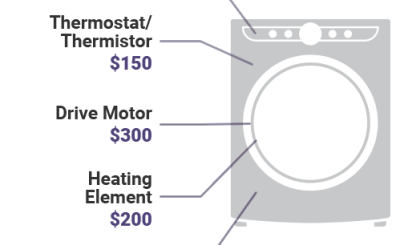
Dryers: Lint is the enemy. Clean the lint filter after every single load. But that’s just the start. Once a year, you need to clean the exhaust ductwork all the way to the outside vent. A clogged duct makes the dryer run hotter and longer, a major fire hazard and a longevity killer. It’s a chore, but a non-negotiable one.
Beyond the Basics: The “Secret” Longevity Strategies
Okay, so we’ve covered the cleaning stuff. But true longevity for high-end appliances involves a few less-obvious habits.
- Respect the Load: Overloading a dishwasher or washer stresses motors and suspension systems. Underloading can be just as bad for balance. Follow the manufacturer’s guidelines—they’re there for a reason.
- Use the Right Stuff: This is huge. Use manufacturer-recommended detergents. Avoid harsh, abrasive cleaners on surfaces. For dishwashers, use rinse aid. It’s not a scam; it helps with drying and prevents scale buildup in a machine that heats water.
- Power Stability Matters: Surges and dips in power can fry sensitive control boards. Plug major appliances into a high-quality surge protector, or better yet, consider a whole-house surge protection system. It’s like giving your appliances a bulletproof vest.
The Professional Touch: When to Call in the Experts
DIY care is essential, but it’s not everything. A factory-trained technician brings diagnostic tools and calibration skills you simply don’t have. Scheduling a bi-annual or annual professional check-up is the hallmark of a serious longevity strategy.
They can check gas pressure, calibrate oven temperatures, run diagnostics on circuit boards, and spot wear-and-tear on parts you’d never see. Think of it as a physical for your appliance. It’s not cheap, but compared to a $2,000 compressor replacement? It’s brilliant insurance.
| Appliance Type | Key DIY Task | Recommended Pro Service |
| Built-In Refrigerator | Vacuum condenser coils every 6 months | Annual seal check, compressor diagnostic |
| Pro-Style Range | Clean burner ports, check flame color | Biennial gas pressure/ignition system check |
| Dishwasher | Monthly cleaner cycle, filter rinse | Every 2-3 years: pump inspection, internal leak check |
| Washer/Dryer | Clean seals, ducts; check hoses | Biennial motor check, drum re-balancing |
A Final, Thought-Provoking Point
We buy luxury for the experience—the perfect ice, the even bake, the whisper-quiet wash. That experience is maintained not by a one-time purchase, but by a series of small, consistent acts of care. It’s a relationship. In a world of disposability, choosing to maintain, to preserve, to extend… well, it’s a quiet act of defiance. And it ensures that the machinery at the heart of your home doesn’t just function, but thrives, for years on end.