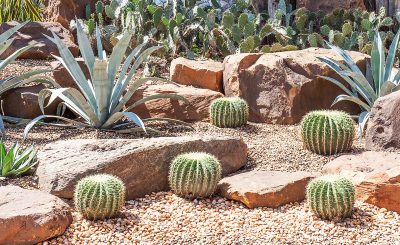

Let’s be honest—living in a fire-prone region is a bit like dancing with a dragon. You respect the heat, you plan for the wind, and you hope your home doesn’t become tinder. But here’s the thing: your yard doesn’t have to be a fuel source. In fact, with the right plants and a little strategy, it can be a buffer. Succulents—those fleshy, water-hoarding marvels—are your secret weapon. They’re not just pretty; they’re practically fire-resistant. And they sip water like a miser spends cash. Let’s dig into how you can build a landscape that’s both gorgeous and defensive.
Why Succulents? The Fire-Smart Logic
You might think succulents are just trendy Instagram plants. Sure, they’re photogenic. But their real superpower? High water content in their leaves. When a wildfire approaches, those plump leaves don’t ignite easily. They smolder, they steam, but they rarely burst into flames. Compare that to a juniper bush or dry grass—basically a Roman candle.
Plus, succulents are drought-tolerant. In fire-prone areas, water restrictions are common. You can’t drench a lawn every week. But succulents? They thrive on neglect. They store water in their tissues, so they stay hydrated even when the hose is off. It’s a win-win: less water, less fire risk.
The Science of “Firewise” Landscaping
Firewise landscaping isn’t about eliminating plants. It’s about creating a defensible space. The goal is to slow down fire, reduce heat, and give your home a fighting chance. Succulents fit perfectly into Zone 1 (0–5 feet from your house). They’re low-growing, non-resinous, and they don’t produce much dead litter. In fact, a well-placed succulent bed can act like a green moat.
Consider this: a study by the University of Nevada found that succulent ground covers reduced fire spread by up to 60% compared to traditional bark mulch. That’s not a small number. That’s a lifeline.
Designing Your Succulent Sanctuary
Okay, so you’re sold on the idea. But how do you actually design a yard that’s both fire-smart and beautiful? It’s not about tossing a few aloe plants in the dirt. You need a plan—one that considers layout, plant selection, and maintenance. Let’s break it down.
Start with the “Ignition Zone”
This is the area closest to your home. Think 0 to 5 feet. Here, you want non-flammable hardscape—like gravel, decomposed granite, or concrete pavers—mixed with succulents. Avoid wood chips or bark mulch. Instead, use crushed rock or pebbles. Then plant low-growing succulents like sedums, hens-and-chicks, or ice plant. These stay close to the ground and don’t trap embers.
Pro tip: Keep succulents away from eaves and vents. Embers love to sneak into tiny gaps. A succulent next to a wooden deck? Not ideal. But a succulent border along a stone path? Perfect.
Choose Your Champions
Not all succulents are created equal. Some are more fire-resistant than others. Here are the heavy hitters for fire-prone regions:
- Aloe vera — classic, thick-leaved, and it doesn’t burn easily. Plus, you get burn cream if you need it.
- Agave — tough as nails. The spiky leaves hold water and create a physical barrier. Just watch out for the sharp tips.
- Sedum (stonecrop) — low-growing, spreads fast, and forms a living carpet. Great for slopes.
- Echeveria — rosette-shaped, almost sculptural. They look like art but act like fire retardant.
- Delosperma (ice plant) — colorful flowers, dense foliage, and it’s practically fireproof. A favorite in California.
Mix these with some ornamental grasses (like blue fescue, which is low-fuel) and you’ve got a diverse, fire-wise palette.
Planting and Care: Less is More
Here’s the deal: succulents are forgiving, but they have rules. Overwatering is the #1 killer. In fire-prone regions, you want them to be tough, not pampered. Let the soil dry out completely between waterings. In summer, maybe once a week. In winter? Once a month or less. Honestly, they thrive on neglect.
Soil is key. Use a fast-draining mix—cactus soil or a blend of sand, perlite, and compost. Avoid heavy clay. If your soil is clay, build raised beds or mounds. That improves drainage and keeps roots from rotting.
And here’s a quirky tip: plant succulents in drifts, not lonely islands. Grouping them creates a microclimate—they shade each other, reduce evaporation, and form a denser fire barrier. Plus, it looks more natural, like a desert meadow.
Mulching: The Right Way
Mulch is tricky in fire zones. Organic mulches (bark, wood chips) can smolder and spread fire. But bare soil erodes. The solution? Use inorganic mulch: gravel, pebbles, or crushed stone. Spread a 2–3 inch layer around your succulents. It suppresses weeds, retains moisture, and won’t burn. Win-win-win.
If you want a pop of color, use decomposed granite in warm tones—like gold or rust. It complements the green and blue hues of succulents beautifully.
Real-World Layouts: A Quick Table
Sometimes a table helps visualize the zones. Here’s a simple breakdown for a typical suburban lot:
| Zone | Distance from House | Recommended Plants | Hardscape |
|---|---|---|---|
| Zone 1 | 0–5 ft | Sedum, ice plant, aloe | Gravel, concrete pavers |
| Zone 2 | 5–30 ft | Agave, echeveria, yucca | Decomposed granite, stepping stones |
| Zone 3 | 30+ ft | Drought-tolerant shrubs, native grasses | Rock mulch, boulders |
Notice how Zone 1 is the most fire-resistant. As you move outward, you can introduce more varied plants, but still keep the fuel load low. No junipers, no pines. Just smart choices.
Maintenance: The Lazy Gardener’s Dream
Succulent landscaping isn’t high-maintenance. But you can’t ignore it completely. Here’s what you need to do:
- Remove dead leaves — Succulents shed lower leaves. Pick them up. They’re dry and flammable.
- Trim back overgrowth — If a plant gets leggy, prune it. Keep plants compact and tidy.
- Check for pests — Mealybugs and aphids can weaken plants. A blast of water or neem oil fixes it.
- Refresh mulch — Every year or two, top up your gravel. It settles and weeds sneak in.
That’s it. No mowing. No fertilizing. Just a little love once a month.
Common Mistakes (and How to Avoid Them)
I’ve seen people go all-in on succulents and then wonder why they look sad. Here are the pitfalls:
- Overwatering — Seriously, stop. Succulents rot if they sit in wet soil. Water only when the soil is bone dry.
- Too much shade — Most succulents love sun. In fire zones, full sun helps them stay compact and water-efficient. Shade makes them leggy.
- Ignoring drainage — If water pools, your succulents will drown. Raise beds or add sand.
- Planting too close to structures — Leave a gap of at least 18 inches between plants and your house. Embers can still travel.
And one more thing: don’t plant succulents under eaves where rainwater drips. That constant moisture is a recipe for rot.
The Bigger Picture: Beyond the Yard
Your succulent landscape isn’t just a pretty face. It’s part of a larger fire defense system. Combine it with fire-resistant roofing, screened vents, and cleared gutters. Think of it as a team effort. The succulents are the ground troops—they slow the fire down. But they can’t do it alone.
Also, consider your neighbors. A fire-wise yard is contagious. When they see your thriving succulent garden—no brown grass, no dead shrubs—they might follow suit. That creates a community buffer. And in a wildfire, that’s priceless.
There’s something meditative about tending succulents. The way their leaves hold water like tiny reservoirs. The way they survive with so little. It’s a lesson in resilience. And in a fire-prone region, resilience is everything.
Final Thoughts: A Landscape That Breathes
Water-wise succulent landscaping isn’t a trend. It’s a strategy. It’s about working with the climate, not against it. You’re not just saving water—you’re creating a space that can withstand the worst. And honestly, there’s a quiet beauty in that. The soft blues of echeveria against gray gravel. The spiky silhouette of agave at dusk. It’s a landscape that breathes, that adapts, that survives.
So go ahead. Dig in. Plant a few aloes. Watch them thrive. And sleep a little easier knowing your yard isn’t a matchstick.
[Meta title: Water-Wise Succulent Landsc