
So, you’re finally tackling that renovation. Maybe it’s a kitchen, a bathroom, or just a single room that’s been whispering for a facelift. But here’s the thing—somewhere between the Pinterest boards and the contractor quotes, a quiet shift happened. You started thinking about what’s in the walls, not just what’s on them. And honestly? That’s the smartest move you can make.
Sustainable and non-toxic material sourcing isn’t just a trend. It’s a way to protect your lungs, your family, and the planet—all while building something that actually lasts. Let’s break down how to do it without losing your mind (or your budget).
Why This Matters More Than You Think
Here’s the deal: conventional building materials are often packed with hidden nasties. Volatile organic compounds (VOCs), formaldehyde, flame retardants, and phthalates. They off-gas for years. That “new renovation smell”? Yeah, it’s not a good thing. It’s a chemical cocktail.
Sustainable sourcing flips the script. It prioritizes materials that are renewable, recycled, or responsibly harvested. And non-toxic means they won’t slowly poison the air you breathe. Think of it like this: your home should be a sanctuary, not a science experiment gone wrong.
The Hidden Cost of Cheap Materials
Sure, that bargain laminate flooring might save you $500 today. But five years from now, you could be dealing with off-gassing headaches, respiratory issues, and a floor that looks like it survived a flood. Not worth it. In fact, studies show that indoor air can be 2 to 5 times more polluted than outdoor air—largely due to building materials.
So, what’s the alternative? Let’s walk through the real-world stuff you can actually find and use.
Your Go-To Sustainable Material Shortlist
I’m not gonna list every single eco-material under the sun. That’s exhausting. Instead, here are the heavy hitters—the ones that balance performance, cost, and planet-friendliness.
1. Reclaimed Wood (The Obvious MVP)
Reclaimed wood is like the cool vintage jacket of renovation materials. It’s got character, history, and zero new trees were cut down. Look for barn wood, old factory beams, or even salvaged pallet wood (if you’re careful about chemical treatments). It’s perfect for accent walls, shelving, or flooring.
But—and this is a big but—make sure it’s been properly kiln-dried to kill any pests or mold. Nobody wants termites as a housewarming gift.
2. Low-VOC Paints and Finishes
Paints have come a long way. Brands like Benjamin Moore’s Natura or Sherwin-Williams Harmony are zero-VOC. That means almost no off-gassing. You can paint a nursery and sleep in it the same night. Seriously.
For stains and sealants, look for water-based options. They smell less, clean up with soap, and don’t require a hazmat suit to apply.
3. Natural Fiber Insulation
Fiberglass insulation is cheap, but it’s also itchy, dusty, and often contains formaldehyde binders. Instead, try sheep’s wool, hemp, or recycled denim. Wool insulation, for instance, is naturally fire-resistant, moisture-wicking, and biodegradable. It’s pricier, yes, but it pays off in comfort and air quality.
4. Cork and Bamboo Flooring
Cork is harvested from tree bark without killing the tree. It’s soft underfoot, naturally antimicrobial, and a great insulator. Bamboo grows fast—like, really fast—making it a renewable alternative to hardwood. Just watch out for brands that use high-VOC glues. Look for “Formaldehyde-free” or “NAF” (No Added Formaldehyde) labels.
5. Recycled Glass and Metal Tiles
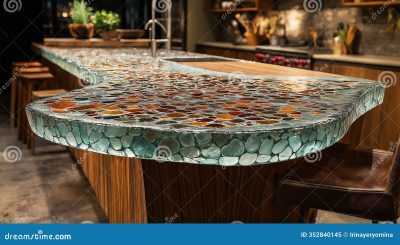
Backsplashes and bathroom walls don’t have to be virgin materials. Recycled glass tiles are stunning, durable, and divert waste from landfills. Same goes for recycled aluminum or steel countertops. They’re industrial-chic and nearly indestructible.
How to Vet Your Suppliers (Without Going Crazy)
You can’t just trust a label that says “green.” Greenwashing is real. Here’s how to cut through the noise:
- Look for third-party certifications. GREENGUARD Gold, Cradle to Cradle, FSC (Forest Stewardship Council), and FloorScore are your friends.
- Ask for material safety data sheets (MSDS). If a supplier hesitates, that’s a red flag.
- Check the fine print. “Low-VOC” can mean anything from 50 grams per liter to 100. Zero-VOC is the gold standard.
- Talk to local salvage yards. They often have gems you won’t find online—and you can touch the materials before buying.
Budget Reality Check: Does Sustainable Cost More?
Let’s be real—sometimes it does. But not always. Here’s a quick comparison table to help you gauge:
| Material Type | Conventional Cost (per sq ft) | Sustainable Alternative | Cost Difference |
|---|---|---|---|
| Flooring | $3–$7 (laminate) | Bamboo or cork | +$2–$4 per sq ft |
| Paint | $25–$40 per gallon | Zero-VOC paint | +$5–$10 per gallon |
| Insulation | $0.50–$1.50 per sq ft | Sheep’s wool | +$2–$4 per sq ft |
| Countertops | $40–$100 (laminate) | Recycled glass | +$30–$60 per sq ft |
| Tile | $5–$15 per sq ft | Recycled glass tile | Similar or slightly higher |
Notice something? Some options—like recycled glass tile—can actually be cost-competitive. And when you factor in longevity and health benefits, the premium often pays for itself. Plus, you can offset costs by sourcing reclaimed materials or doing some DIY demo yourself.
Common Mistakes People Make (And How to Avoid Them)
I’ve seen folks go all-in on sustainable sourcing, only to trip up on the little stuff. Here are the biggest blunders:
- Ignoring adhesives and sealants. You can pick the cleanest wood, but if you glue it down with a toxic adhesive, you’ve lost the battle. Always specify non-toxic adhesives.
- Forgetting about lighting. Natural light is free and sustainable. Orient your renovation to maximize daylight. It reduces energy use and boosts mood.
- Buying “green” without checking the supply chain. A bamboo floor shipped from halfway around the world has a huge carbon footprint. Local is often better.
- Overlooking ventilation. Even with non-toxic materials, good airflow is key. Install an energy recovery ventilator (ERV) if you can.
Where to Actually Find These Materials
You’re not limited to specialty stores. Here’s a quick roadmap:
- Habitat for Humanity ReStores – Cheap reclaimed wood, doors, cabinets, and tiles.
- Local lumber mills – Often sell sustainably harvested wood at better prices than big-box stores.
- Online marketplaces – Sites like Build It Green or Green Building Supply specialize in non-toxic options.
- Architectural salvage yards – Perfect for vintage fixtures, sinks, and hardware with zero new manufacturing.
The Emotional Payoff
Here’s something you don’t hear enough: renovating with sustainable materials feels good. Not in a smug, “I’m saving the world” way. More like a deep, quiet satisfaction. You walk into a room and the air smells like… nothing. Just clean. The floors have a warmth that’s not just physical. And every time someone asks, “Where’d you get that wood?” you get to tell a story.
That’s the real magic. It’s not about perfection—it’s about intention. You don’t have to go 100% non-toxic overnight. Maybe you start with paint and insulation. Or just one wall of reclaimed wood. Each choice adds up.
One Last Thing Before You Start
Renovations are messy. They test your patience, your budget, and your relationship with your partner. But sourcing sustainably? That part is actually kind of fun. It’s a treasure hunt. You’re not just buying stuff—you’re curating a healthier life.
So go ahead. Ask the hard questions. Read the labels. Touch the materials. Your future self—and your lungs—will thank you.
And remember: a home built with care is a home that cares for you.