
Let’s be honest. When you picture a wildlife garden, you probably think of birds and butterflies first. Maybe a few bees buzzing around. But what about the night shift? The creatures that take over when the sun goes down are crucial—and honestly, they’re having a tough time out there.
That’s where this idea comes in. Designing a garden for bats and moths isn’t just a niche hobby; it’s an act of ecological restoration. These nocturnal allies are master pollinators and pest controllers. A single little brown bat can eat thousands of insects in one night. Moths? They’re vital pollinators for hundreds of plants, including many that bloom after dark.
So, here’s the deal. By tweaking your garden’s design, you can create a thriving sanctuary. It’s about thinking in shades of moonlight instead of sunlight. Let’s dive in.
Why Bats and Moths Need Our Help
It’s not great news, frankly. Habitat loss is the big one. Clean, manicured lawns and pesticide-heavy landscapes are like food deserts for these creatures. Light pollution is another silent killer—it disorients moths, making them easy prey and disrupting their navigation. For bats, it can fragment their foraging routes.
And then there’s the simple lack of understanding. People fear what they don’t see. But a garden buzzing (or, well, fluttering) with nocturnal life is a sign of incredible health. It means your ecosystem is working around the clock.
The Core Principles: Food, Water, Shelter, Darkness
Just like any good habitat design, you need to cover the basics. But for night-flyers, the specifics look a little different.
1. Planting a Moth & Bat Cafeteria
You can’t have bats without moths—they’re a primary food source. And you can’t have moths without the right plants. It’s a delicious cycle. Focus on two things: plants that host moth caterpillars, and plants that feed adult moths with nectar.
| Plant Type | Examples | Night-Shift Role |
| Native Trees & Shrubs | Oak, Willow, Native Cherry, Birch | Superhosts for caterpillar larvae. A single oak can support hundreds of moth species. |
| Night-Blooming Nectar Plants | Evening Primrose, Night-Scented Stock, Jasmine, Moonflower | Provide high-energy nectar for adult moths. Their strong scent is a beacon in the dark. |
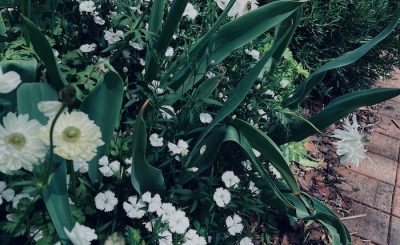
| White or Pale-Flowered Plants | Nicotiana (Flowering Tobacco), Phlox, White Buddleia | Easier for moths to spot in low light. Act like landing lights on a runway. |
| Larval Host Plants | Milkweed (for moths like the Unexpected Cycnia), Grasses, Nettles (in a tucked-away spot!) | Let some “messy” patches thrive. This is where the next generation grows up. |
A quick tip? Diversity is your best friend. Aim for blooms from spring through fall to provide a consistent buffet. And remember, native plants are almost always the way to go—they co-evolved with local insects.
2. The Critical Element: Embracing the Dark
This might be the most important step. Reduce or eliminate outdoor lighting. Security lights that blaze all night are ecological traps. If you need light, use motion-sensor fixtures, shield them to point downward, and choose warm-colored LEDs (under 2700K). Amber and red tones are far less disruptive.
Think of it this way: you’re setting the mood. A dark garden is an inviting one if you’re a bat on the hunt.
3. Shelter & Water: The Real Estate and Spa
Bats need places to roost. You can install a bat box—but placement is everything. Mount it on a pole or a sunny side of a building, at least 12-15 feet high. Avoid trees if you can; predators are a problem. And be patient. It can take a few seasons for bats to move in.
For moths? They need tucked-away spots too. Leaf litter, log piles, old stone walls, and even patches of long grass provide perfect shelter for pupating caterpillars and resting adults.
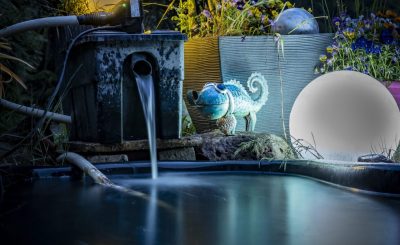
Water is non-negotiable. A wildlife pond is the gold standard. But even a shallow birdbath with a gently sloping edge or rough texture for grip works. Bats will skim the surface for a drink mid-flight. Just make sure it’s topped up.
What to Avoid: The No-No List
Okay, so here’s a quick, honest rundown of what to ditch:
- Pesticides and Insecticides. This is the big one. They don’t discriminate. You’ll kill the very moths you’re trying to support, and poison the bats that eat them. Embrace a few chewed leaves—it’s a sign of life.
- Overly Tidy Garden Beds. Fallen leaves and dead stems are winter hotels for pupae. Delay your cleanup until late spring.
- Non-Native, “Sterile” Plants. Many fancy cultivars have lost their scent, nectar, or appeal to insects. They’re just pretty faces with no ecological function.
Putting It All Together: A Seasonal Snapshot
This isn’t a one-and-done project. It’s a year-round relationship. Here’s a loose guide:
- Spring: Plant your night-bloomers and native hosts. Put up bat boxes. Start leaving a “wild” corner.
- Summer: Enjoy the evening scent show. Watch for bat silhouettes at dusk. Top up water sources regularly.
- Fall: Let seed heads stand. Don’t deadhead everything. This provides structure and shelter.
- Winter: Do nothing. Seriously. Resist the urge to tidy. Those dormant stems and leaf piles are full of sleeping life.
You see, a bat and moth garden asks you to shift your perspective. To value the rustle in the hedgerow at 10 PM as much as the birdsong at 10 AM. It’s a quieter kind of gardening, but the rewards—the sight of a fluttering moth sipping from a moonflower, the darting shadow of a bat against the twilight—are profound.
You’re not just planting flowers. You’re weaving a safety net for the parts of nature we too often overlook. And in doing so, you’re strengthening the entire web of life in your backyard. Now that’s a garden with a purpose.