
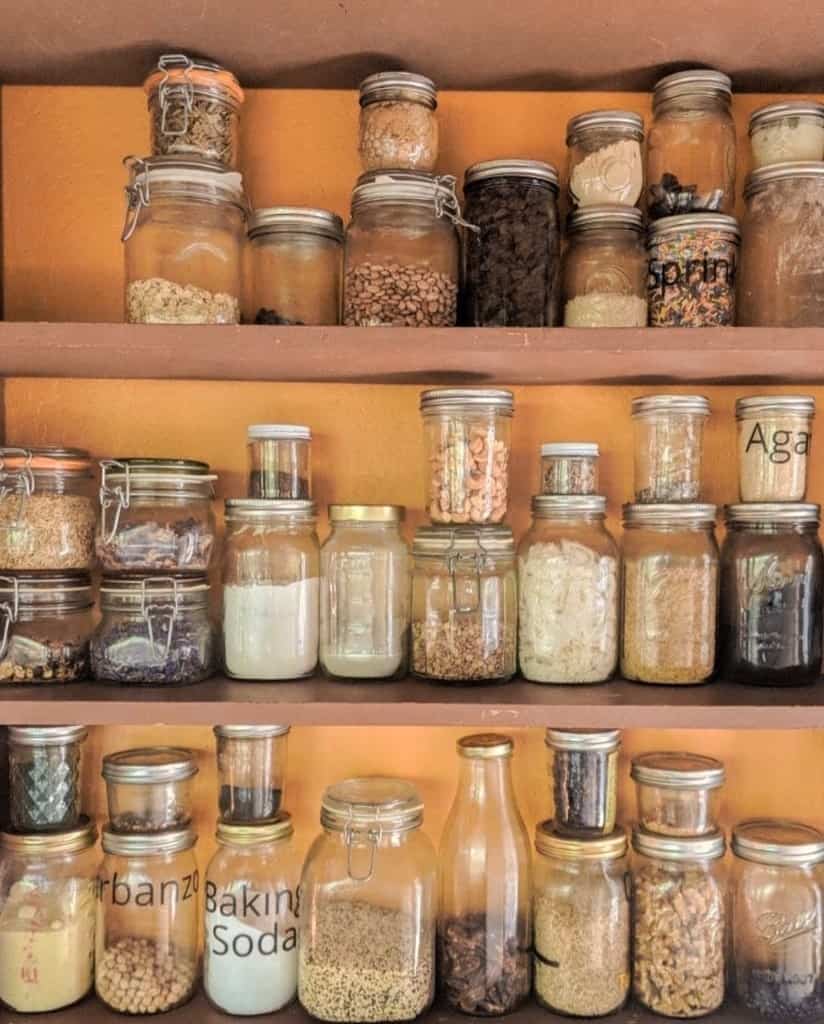
Let’s be honest. The idea of a zero-waste kitchen can feel…daunting. Images of pristine mason jars and a militant rejection of plastic might spring to mind. But here’s the deal: it’s not about perfection. It’s about progress. And building a zero-waste pantry from scratch is the single most impactful place to start.
Think of your pantry as the command center for your kitchen. When it’s stocked intentionally, every meal becomes an opportunity to reduce your footprint. This isn’t about buying a whole new set of stuff. It’s a mindset shift—a slower, more thoughtful approach to what we bring into our homes. Ready to begin? Let’s dive in.
The Zero-Waste Pantry Philosophy: Less Stuff, More Substance
First, a quick reframe. A zero-waste pantry prioritizes bulk buying, whole foods, and reusable containers. It cuts down on single-use packaging at the source. The goal? To have a kitchen stocked with versatile, shelf-stable ingredients that feed you well and don’t feed the landfill.
You’ll likely find you save money in the long run, waste less food, and oddly enough, feel less stressed about what to cook. There’s a quiet simplicity to it.
Phase 1: The Great Pantry Audit & Reset
Don’t just start piling in new things. Begin with what you have. Empty every shelf. I mean it—every last packet of half-used pasta, that mysterious bag of flour, the three almost-empty jars of oregano.
Now, sort. This is where you get real with yourself.
- Keep: Unopened, good-quality dry goods. Opened items in usable condition.
- Compost: Anything stale, expired, or unrecognizable (rice, old cereal, etc.).
- Recycle: Clean, empty packaging that your local facility accepts.
- Donate: Unopened, non-expired items you know you won’t use.
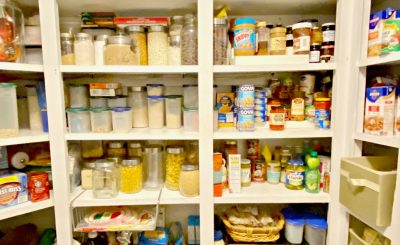
As you put the “keep” items back, group them. All grains together, all legumes, all baking supplies. You’re already seeing the blueprint.
Phase 2: The Essential Container Toolkit
You don’t need to buy a matching, Instagram-worthy set of jars tomorrow. Use what you have first—old pasta sauce jars, pickle jars, the plastic tubs you already own. The zero-waste goal is to use things up, not toss them.
That said, a few strategic investments make life easier. Look for:
- Glass jars with airtight lids: Various sizes for bulk items. Wide mouths are best for scooping.
- Reusable cloth bags: For produce, bread, and even bulk-bin items like nuts.
- Large, sealed containers: For big bags of flour or rice you buy in bulk.
- Labels and a marker: Trust me, you will forget what grain is what. Date things, too.
Where to Shop for a Package-Free Pantry
This is the fun part. Seek out:
- Bulk food stores: The holy grail. Bring your jars, get them tared (weighed empty), and fill up.
- Local co-ops or health food stores: Often have extensive bulk sections.
- Farmers markets: For honey in jars you return, loose produce, and dried goods.
- Regular grocery stores: Seriously! Many now have bulk bins for nuts, grains, and spices. And don’t overlook the produce aisle—those loose potatoes and onions are zero-waste heroes.
Phase 3: The Foundational Zero-Waste Pantry Staples
Okay, let’s talk ingredients. This is a starter list—a foundation to build countless meals upon. Prioritize these when you next shop.
| Category | Core Staples | Why & Tip |
| Grains & Legumes | Brown rice, quinoa, lentils, oats, dried chickpeas, pasta | Incredibly versatile, cheap in bulk, and the backbone of meals. Soak legumes to cut cooking time. |
| Flours & Baking | All-purpose flour, baking soda, baking powder, sugar | Buy the biggest bag you can use and store in a large, sealed container to keep pests out. |
| Sweeteners | Honey (in a returnable jar), maple syrup, bulk sugar | Local honey supports beekeepers and often comes in reusable glass. |
| Spices & Seasonings | Sea salt, peppercorns, cumin, paprika, cinnamon | Buy tiny amounts from bulk bins first to see what you use. Refill little jars forever. |
| Canned & Jarred* | Tomatoes, coconut milk, beans (if you don’t cook dry) | *Opt for glass jars or BPA-free cans you can recycle. Jarred tomatoes can be reused as drinking glasses! |
| Oils & Vinegars | Olive oil, a neutral oil, apple cider vinegar | Look for shops that do refills. Bring your own bottle. A game-changer. |
The Real-World, “Oops” Moments & Mindset Tips
You’ll forget your bags. You’ll cave and buy that pasta in plastic because you’re tired. That’s okay. This isn’t a purity contest. The plastic bag you use for years is better than 200 single-use ones.
A few mindset hacks that help:
- Embrace “good enough.” A reused bread bag is a perfect produce bag.
- Start with one aisle. Next shopping trip, just nail the bulk aisle. That’s it.
- Cook from your pantry. Challenge yourself to use what you have before buying more. It sparks creativity.
- Find your community. A friend to swap jars with, or a local zero-waste group, makes it feel less like a chore.
What About Cost and Time?
Sure, the upfront cost of a jar feels higher than a flimsy plastic bag. But you buy it once. And bulk prices, stripped of packaging marketing, are often lower per unit. Your time? The first few shops will take longer. You’ll fumble with jar weights. But soon, it becomes a rhythm—a slower, more conscious part of your week that, honestly, can feel quite therapeutic.
Beyond the Pantry: The Ripple Effect
When your pantry is set, something shifts. You start looking at other parts of your kitchen differently. You might try making your own yogurt to avoid plastic tubs, or start a compost bin for those inevitable scraps. The pantry is the training ground. It teaches you to see resources, not waste. To value quality over convenience, most of the time.
In the end, a zero-waste pantry isn’t really about the jars or the grains. It’s about building a kitchen that aligns with a quieter, more deliberate way of living. It’s about knowing exactly what you have, using it all up, and feeling that small, solid satisfaction of a meal that nourishes you without costing the earth. That’s a taste worth savoring.