
Imagine your garden as a living, breathing circle. Nothing truly enters, nothing truly leaves—it just transforms. That’s the heart of a zero-waste garden system. It’s about shutting the back door on trash bags and opening a window to a cycle where your kitchen scraps become next season’s tomatoes. Honestly, it’s less about perfection and more about connection. Let’s dive into how you can close that loop, right in your own backyard.
The Beautiful Cycle: What “Closing the Loop” Really Means
In nature, waste is a foreign concept. A fallen leaf isn’t garbage; it’s lunch for a beetle, then soil for a tree. A zero-waste garden aims to mimic that. You know, it’s about seeing your kitchen peels, coffee grounds, and even junk mail not as “waste” but as “inputs” waiting to be cycled back in.
The core principle is simple: Feed the soil, and the soil feeds the plants. Your role shifts from consumer to cycle manager. You’re not just growing food; you’re cultivating fertility itself, using what you already have. It’s a powerful shift in perspective.
Your Kitchen: The Unexpected Launchpad
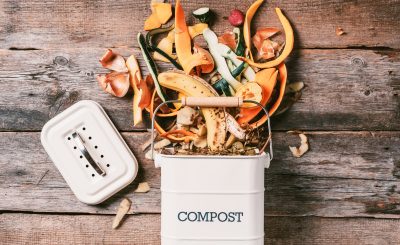
It all starts where most household organic waste is generated. The average family tosses a shocking amount of compostable material. But here’s the deal: your countertop compost bin is the first link in the chain.
What’s In, What’s Out: A Quick Guide
| Great for the Pile (Greens) | Use Sparingly (Browns) | Skip These |
| Fruit & veggie scraps | Shredded paper/cardboard | Meat, bones, dairy |
| Coffee grounds & filters | Dry leaves, straw | Fats & cooking oils |
| Eggshells (crushed) | Wood ash (tiny amounts) | Diseased plants |
| Fresh garden trimmings | Nut shells | Pet waste |
Getting this right is crucial. A healthy compost pile needs a balance of nitrogen-rich “greens” (your kitchen scraps) and carbon-rich “browns” (like dried leaves or paper). Too many greens, and you get a slimy mess. Too many browns, and nothing happens. Aim for a rough 1:3 ratio—one part kitchen waste to three parts brown material. It’s more art than exact science, honestly.
Composting Systems: Finding Your Fit
Not all compost piles are created equal. The best system is the one you’ll actually use. Here are a few popular paths for home composting systems.
- The Classic Bin or Pile: Simple, low-cost. Great for space. It does require turning and can be slower.
- Tumbling Composter: Faster results, easier turning, keeps pests out. But it’s more expensive and has limited capacity.
- Vermicomposting (Worm Bins): Perfect for apartments or small spaces. Worms are efficient decomposers and produce incredible “black gold” liquid fertilizer. It’s a fantastic way to get kids involved, too.
- Bokashi Fermentation: An anaerobic process that ferments all food waste, including meat and dairy, in a sealed bucket. You then bury the pre-compost. It’s fast and eliminates odors but requires buying bran inoculant.
Beyond the Bin: Other Loops to Close
Compost is the star, but a truly closed-loop garden has a supporting cast. Think of these as sidekicks in your waste-free journey.
Seed Saving & Plant Propagation
Why buy new seeds every year when your best plants are right there? Let a lettuce bolt and go to seed, collect tomato seeds from that perfect fruit. It saves money, and these plants are already adapted to your specific garden’s microclimate. It’s the ultimate in garden self-reliance.
Rainwater Harvesting
Using tap water to irrigate? That’s an open loop. A simple barrel under a downspout captures free, chlorine-free water that plants adore. It’s a no-brainer for reducing your garden’s footprint.
Creative “Waste” Reuse
Get crafty. Egg cartons become seedling starters. Broken terracotta pots? Use them for drainage or as markers. Old yogurt containers are perfect for scooping compost. You start seeing potential everywhere.
The Payoff: Why Bother with All This?
Sure, it takes a bit more thought than just tossing everything in the bin. But the rewards are tangible, and honestly, profound.
- Soil That Thrives: Homemade compost builds soil structure, retains moisture, and feeds a whole ecosystem of beneficial microbes. It’s alive in a way bagged fertilizer can never be.
- Fewer Trips to the Store: Less buying of trash bags, soil amendments, fertilizers, even seeds. Your garden starts to supply its own needs.
- A Deeper Connection: You become intimately aware of cycles, seasons, and the true cost—and value—of things. It’s quietly grounding.
That said, it’s not always Instagram-perfect. Sometimes the compost is too wet, or the worms try to escape. You might forget to water the seed starts. The point is progress, not purity. Each banana peel in the bin, each seed saved, is a stitch in mending that broken loop.
Getting Started: Your First Steps This Weekend
Feeling overwhelmed? Don’t. Start with one thing. Just one.
- Audit your kitchen trash for a week. See what organic materials you’re throwing out.
- Set up a scrap collector—a bowl, a bin, anything—on your counter.
- Choose a composting method that fits your space and comfort level. A simple pile in a corner works.
- Save seeds from your next pepper or pumpkin. Dry them on a windowsill.
In fact, that’s the real secret. A zero-waste garden isn’t a destination you arrive at. It’s a path you walk, one step, one scrap, one season at a time. It’s about weaving your household and your plot of earth into a single, resilient tapestry. The loop closes not with a click, but with the quiet, satisfying crunch of homegrown lettuce, fed by last season’s meals.