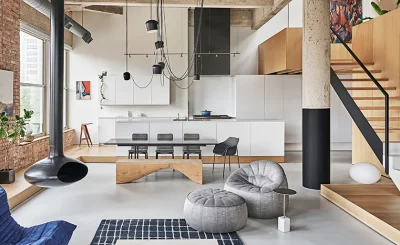

Let’s be honest. The word “renovation” can send a shiver down an eco-conscious spine. Images of dumpsters overflowing with debris, of virgin resources being trucked in, of that lingering chemical smell. It feels… extractive. But what if your home refresh didn’t have to cost the Earth? Honestly, it doesn’t. The secret is in the swap.
Here’s the deal: sustainable design has shed its crunchy, rough-hewn image. Today, it’s synonymous with innovation, warmth, and serious style. We’re talking about materials that tell a story, that feel good underfoot, that clean the air you breathe. This isn’t about sacrifice; it’s about an upgrade—for your home and your conscience. Let’s dive into the smart swaps that make it happen.
Flooring: From Extractive to Regenerative
Your floors set the stage. And the old standards—broadloom carpet, vinyl plank, even some hardwoods—can off-gas VOCs and come with a heavy environmental ledger. Time for a change underfoot.
Swap: Virgin Carpet for Recycled or Natural Fiber Rugs
That plush, brand-new carpet is often a petrochemical product. Instead, look for rugs made from recycled plastic (PET) yarns—they’re surprisingly soft and incredibly durable. Or, go for natural fibers like jute, sisal, or seagrass. They add texture, they’re biodegradable, and they have a casual, earthy elegance. You know, that kind of effortless look.
Swap: Traditional Hardwood for Reclaimed or Sustainable Timber
Everyone loves hardwood. But deforestation is a real pain point. The answer? Reclaimed wood. Salvaged from old barns, factories, or warehouses, each plank has a unique character—nail holes, weathering, a rich patina that new wood just can’t fake. If you want new, ensure it’s certified by the Forest Stewardship Council (FSC). That’s your guarantee it comes from responsibly managed forests.
Countertops & Surfaces: Ditch the Quarry, Embrace the Cycle
Granite and marble are heavy—in weight and in carbon footprint from mining and transport. The new heroes of the kitchen and bath are born from waste, not quarries.
Swap: Granite for Recycled Glass or Paper Composite
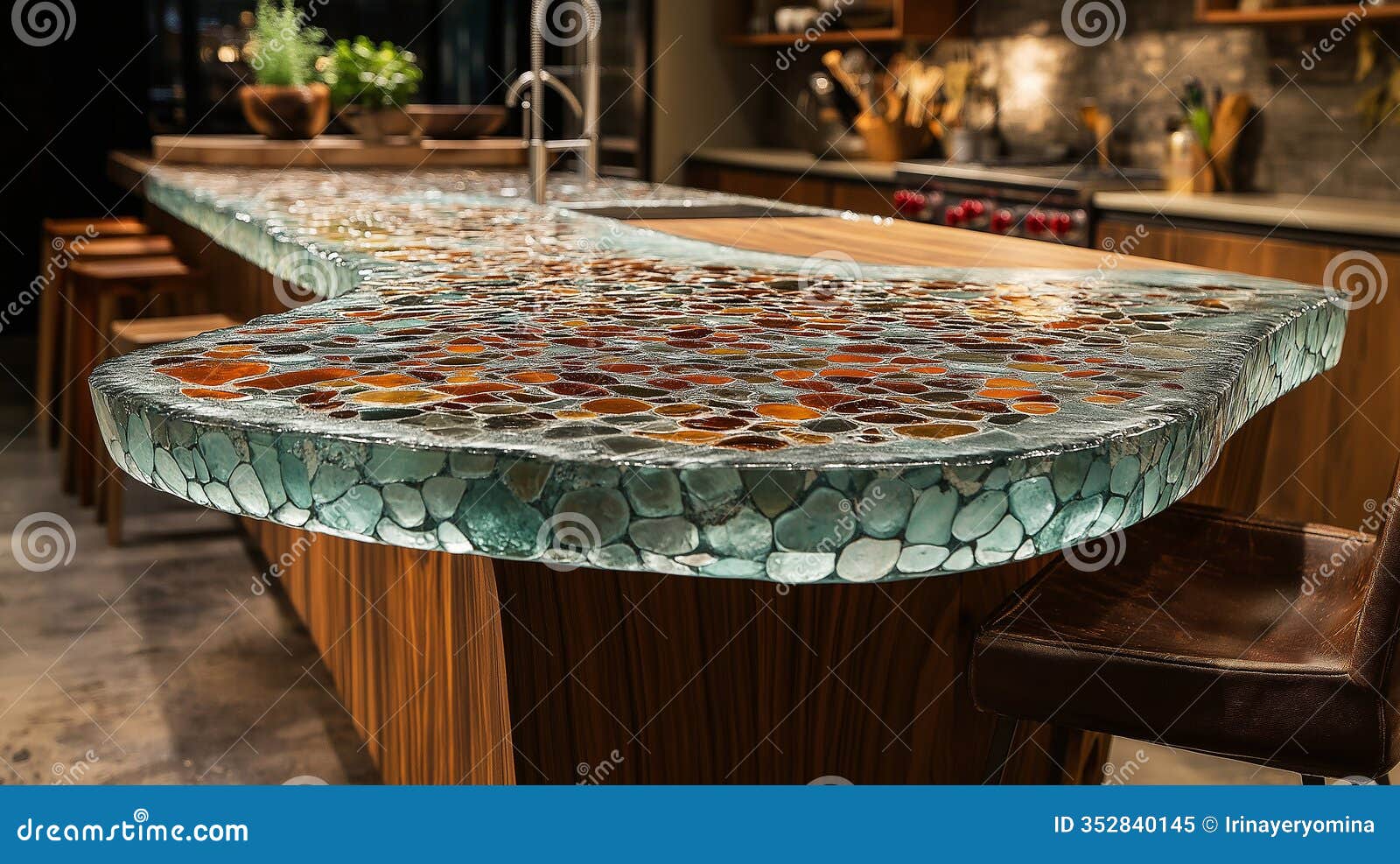
Yes, you read that right. Paper. Brands like PaperStone and Richlite create stunning, durable surfaces from post-consumer paper and resin. They feel warm, they’re non-porous, and they develop a lovely patina. Recycled glass countertops, on the other hand, are a mosaic of brilliance—crushed glass set in cement or resin. They’re each a one-of-a-kind artwork that literally diverts waste from landfills.
Swap: Plastic Laminate for Cork or Bamboo
For a lighter-weight option, bamboo is a superstar. It’s a fast-growing grass, not a tree, making it highly renewable. Cork is another wonder—harvested from the bark of cork oak trees without harming them. It’s naturally antimicrobial, soft underfoot, and provides incredible acoustic and thermal insulation. Perfect for a cozy, quiet kitchen nook.
| Material | Traditional Choice | Sustainable Swap | Key Benefit |
|---|---|---|---|
| Countertop | Virgin Granite | Recycled Glass | Diverts landfill waste, unique aesthetic |
| Flooring | Vinyl Plank | FSC-Certified Bamboo | Rapidly renewable, highly durable |
| Insulation | Fiberglass | Sheep’s Wool | Natural, regulates moisture, non-irritating |
| Backsplash | New Ceramic Tile | Salvaged Tile or Terrazzo | Reduces manufacturing demand, full of character |
Paints & Finishes: Breathe Easier with Cleaner Walls
This might be the easiest, most impactful swap of all. Conventional paints release volatile organic compounds (VOCs) for years—that “new paint smell” is basically low-level air pollution. Not great.
Switch to zero- or low-VOC paints and finishes. Brands have gotten so good that the coverage and color selection are now on par with the conventional stuff. You get a beautiful finish without the headache—literally. And look for paints made with natural pigments and minerals, like clay-based paints. They have a beautiful, matte depth and actually help absorb indoor toxins. A win-win, really.
Insulation & The Unseen Essentials
Sustainability isn’t just about what you see. It’s about the bones of your home. The stuff in the walls matters just as much.
Instead of pink fiberglass batts, consider materials like:
- Sheep’s wool: It’s a natural insulator, manages humidity beautifully, and is, well, kinda cozy to think about.
- Recycled denim or cellulose: Shredded old blue jeans or newspaper treated for fire resistance. It’s a fantastic way to handle soundproofing, too.
- Mycelium: This is the cutting edge. Insulation grown from mushroom roots. It’s biodegradable, fire-resistant, and represents the wild, innovative future of home materials.
The Mindset: Beyond the Material
Okay, so the swaps are clear. But the most sustainable material, in fact, is the one you don’t use at all. Before you buy anything new, ask: Can I refurbish what’s already here? That dated kitchen cabinet? A fresh coat of paint and new hardware can work miracles. That old bathroom vanity? Maybe just a new countertop swap, not the whole unit.
And source locally whenever you can. A reclaimed barn wood floor from a regional supplier has a fraction of the transport footprint of a trendy imported tile. It supports local economies and gives your home a sense of place—a connection to its own region’s history and resources.
In the end, an eco-conscious renovation is a thoughtful one. It’s a series of choices that add up to a home that feels good because it is good. It has texture, history, and a quiet integrity. You’re not just building a space; you’re casting a vote for a cycle of care, not consumption. And that, honestly, is the most stylish statement of all.