
Let’s be honest—not every home is a smart home. And that’s perfectly fine. You might have a trusty old refrigerator humming along since the 2000s, or a dishwasher that’s more reliable than your Wi-Fi. But here’s the deal: these non-smart, “dumb” appliances can be absolute energy vampires, quietly inflating your utility bills.
The good news? You don’t need a hefty loan for a kitchen full of the latest tech. With some clever hacks and simple, affordable retrofits, you can teach your old appliances new, energy-frugal tricks. Think of it like giving your faithful household helpers a tune-up for the modern age.
The Philosophy of the Passive Upgrade
Before we dive into the specifics, a quick mindset shift. Saving energy with non-smart devices isn’t about automation; it’s about optimization and habit. It’s the art of working with what you’ve got, of making small adjustments that add up to a surprisingly big impact. A little like finding a more efficient route to work—you’re using the same car, just driving it smarter.
Hack Your Heavy Hitters: The Fridge and Freezer
These are the appliances that never sleep. They account for, what, about 10-15% of a typical home’s energy use? Maybe more if they’re older. So, they’re the best place to start.
The Simple Stuff (Zero Cost)
First, play detective. Feel around the door seals with your hand. If they’re cold, that’s good. If you feel a draft or see condensation, the seal is failing. An easy test? Close the door on a dollar bill. If it slips out easily, the seal needs help.
Then, check the temperature settings. Your fridge should be at 37–40°F (3–4°C) and your freezer at 0°F (-18°C). Honestly, every degree colder than necessary increases energy use by up to 5%. That’s huge.
Clever Retrofits (Low Cost)
- Seal Savers: You can buy replacement gasket seals online for most models. Installing them is a bit of a chore—you have to carefully remove the old one and clip in the new—but it’s a game-changer for efficiency.
- Coil Cleaning Brush: Dusty condenser coils on the back or underneath make your fridge work much harder. A specialized brush (just a few bucks) makes cleaning them a yearly breeze.
- Thermometer Tweak: Get two appliance thermometers. Place one in the fridge, one in the freezer. This lets you set the dials based on actual temperature, not just a vague “1 to 5” setting.
Warming Up to Smarter Laundry
Your washer and dryer are a dynamic duo of consumption. But their habits are easy to adjust.
Washer Wisdom
Cold water is your friend. Up to 90% of a washing machine’s energy goes to heating water. Switching to cold-water detergents can clean most loads brilliantly. And, you know, make sure you’re running full loads. A half-empty washer uses nearly the same energy as a full one.
Dryer Do-Over
Dryers are the real energy hogs here. The number one hack? Clean the lint filter every single time. A clogged filter is like making your dryer run a marathon while breathing through a straw.
For a retrofit, consider a dryer vent seal. It’s a simple flap that prevents conditioned air from escaping—or outside air from creeping in—when the dryer isn’t running. Also, a moisture sensor retrofit kit (if compatible with your model) can automatically shut off the dryer when clothes are dry, rather than just running on a timer. It prevents that wasteful over-drying.
The Dishwasher: Your Secret Steam-Powered Ally
Contrary to popular belief, a modern(ish) dishwasher is usually more efficient than hand-washing. But only if you use it right.
Skip the pre-rinse. Just scrape off the food. That alone saves gallons of hot water. Use the air-dry setting instead of heat-dry. Or, just crack the door open at the end of the cycle and let nature do the rest.
A fantastic, under-the-radar retrofit? An inline water heater or a hot water booster. Most dishwashers heat their own water, but if yours doesn’t get hot enough from your home’s supply, it’ll run the heating element longer. A small booster for the dishwasher line ensures it starts with truly hot water, slashing its runtime.
Taming the Kitchen & Climate Beasts
Stoves, ovens, and that old window AC unit need love too.
- Ovens: Stop peeking! Every look loses 25°F or more. Use a timer and the light. And for baking, a simple oven thermometer ensures you’re not overheating. An oven running 25°F too hot is a pure energy waste.
- Stovetops: Match pot size to burner size. A small pot on a large burner wastes over 40% of the heat. It’s a no-brainer.
- Window AC Units: Seal the gaps around the unit with foam weatherstripping kits. Clean the filter monthly—a dirty filter reduces airflow and efficiency dramatically. Consider a programmable outlet timer. Plug the AC into it, and set it to turn off when you leave for work and on just before you return. It’s a crude form of “smart” for about $15.
The Power of the Plug: Master Your Phantom Load
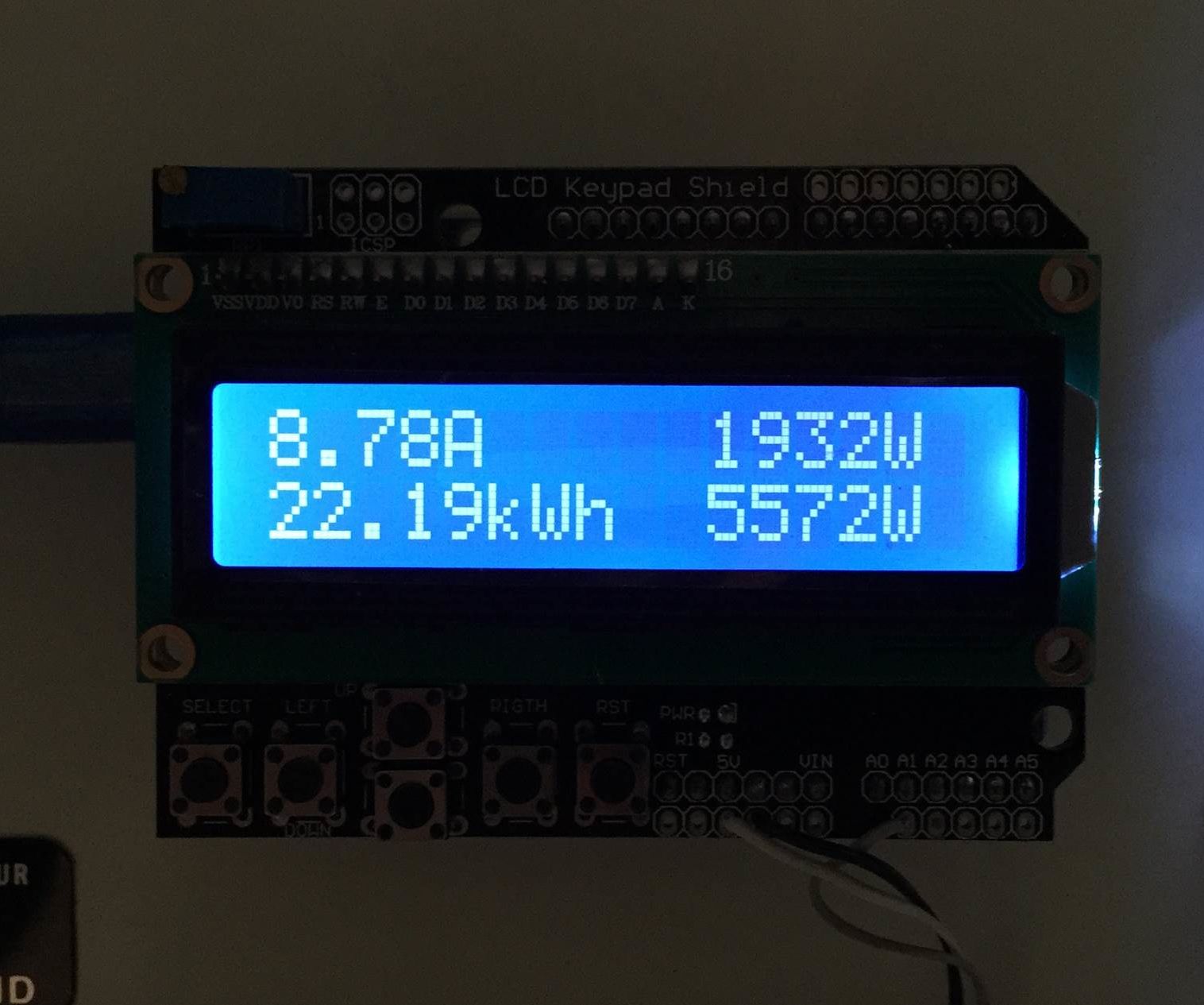
This is the ultimate hack for all appliances, smart or not. “Phantom load” or “vampire power” is the energy devices use just by being plugged in, even when off. Your old microwave clock, your coffee maker’s display, your DVD player’s standby light—they’re all sipping power, 24/7.
The solution? Smart power strips. Yes, it’s ironic to use a smart device for non-smart ones, but hear me out. These strips have outlets that automatically cut power to peripherals (like a printer and speakers) when the main device (your computer) is turned off. For entertainment centers and home offices, they’re a retrofit that can save you up to 10% on your bill without thinking.
| Appliance Type | Key Hack | Best Retrofit Under $50 |
| Refrigerator | Check door seals, set correct temp | Replacement gasket seal |
| Clothes Dryer | Clean lint filter always | Dryer vent seal |
| Dishwasher | Skip pre-rinse, use air-dry | In-line hot water booster |
| Window AC | Seal gaps, clean filter | Programmable outlet timer |
| All Electronics | Unplug idle devices | Smart Power Strip |
Wrapping It Up: It’s About Awareness
At the end of the day, squeezing efficiency from non-smart appliances isn’t about fancy tech. It’s about becoming more attuned to the machines that serve you. It’s a tactile process—feeling for drafts, listening for strain, noticing heat. In a world pushing constant upgrades, there’s a quiet satisfaction in optimizing what you already own. You save money, sure. But you also extend the life of your appliances and reduce waste. And that’s a kind of intelligence no microchip can replicate.