
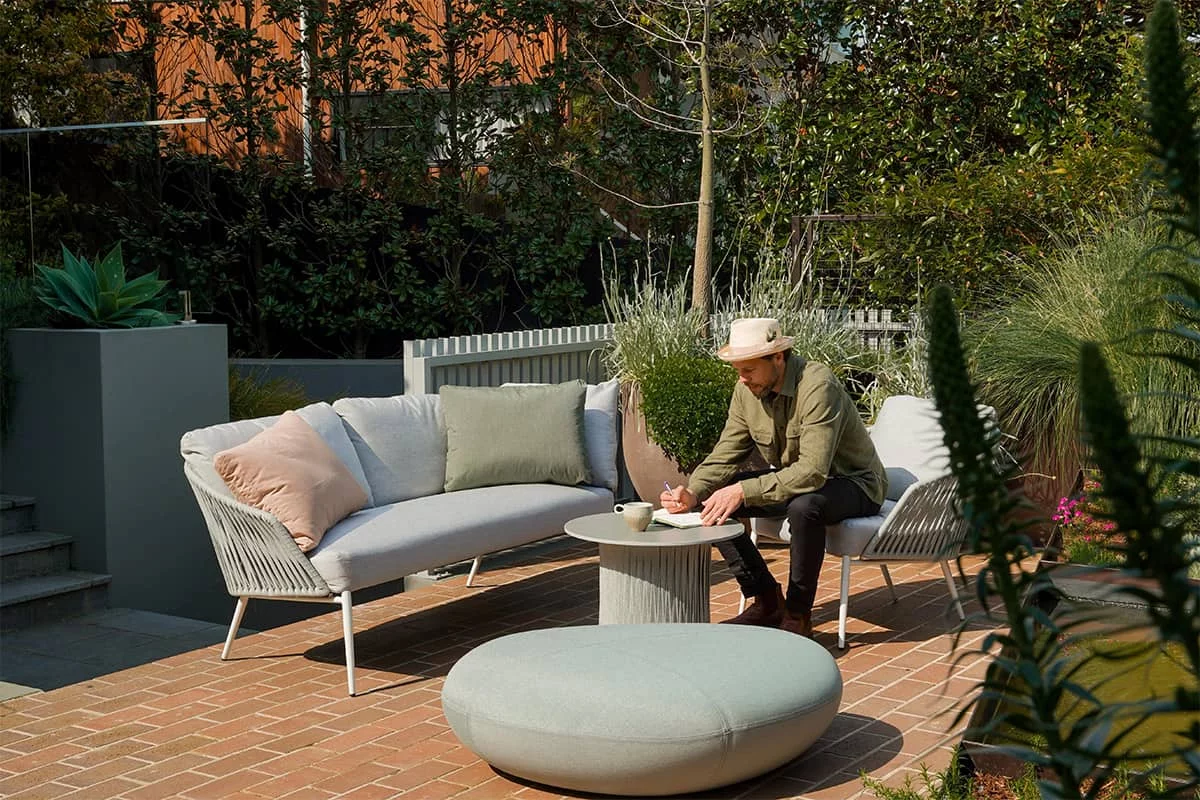
Let’s be honest. When you have a small yard, it’s easy to feel a bit… limited. You might think you have to choose between a dining area, a lounging spot, or a patch of green. But what if you didn’t? The real magic happens when you start thinking about your compact outdoor space not as a single-purpose room, but as a Swiss Army knife of living areas. It’s all about layering functions, not just furniture.
Here’s the deal: a well-planned small yard can be more dynamic and useful than a sprawling, underused lawn. It just takes a bit of clever strategy and a shift in perspective. Ready to turn your cozy corner into a multi-functional haven? Let’s dive in.
The Core Principle: Zoning Without Walls
You can’t build walls outside, obviously. But you can create distinct “zones” that feel separate, using what designers call implied boundaries. Think of it like using a rug to define a seating area in your living room—but for the outdoors.
The trick is to use different materials, levels, and even plantings to signal a change in function. A shift from pavers to decking says “this is the dining zone.” A low, planted border of lavender or boxwood can softly separate your “reading nook” from the “entertaining area.” It’s subtle, but it works wonders for the brain, helping the space feel organized and larger than it is.
Key Zoning Tactics for Small Spaces
- Change of Surface: Mix materials like gravel, wood chips, tile, and composite decking.
- Level Changes: A sunken seating pit or a raised deck platform instantly creates a new “room.”
- Vertical Elements: Trellises, tall planters, or a slender pergola beam can act as visual dividers.
- Lighting as a Guide: Use string lights over the dining table and subtle path lights to lead to a lounger.
Furniture That Pulls Double (or Triple) Duty
This is non-negotiable. In a compact yard, every single piece needs to earn its keep. Forget the static, one-trick-pony furniture. We’re talking about the transformers of the outdoor world.
Look for benches with built-in storage—perfect for tucking away cushions, garden tools, or kid’s toys. A dining table that can expand with leaves or, better yet, lower to become a generous coffee table for lounging. Stackable stools are heroes; they can be extra seating, a side table, or even a plant stand. Honestly, modular sectional seating is a game-changer for small outdoor living spaces, as you can reconfigure it based on your needs that day.
| Furniture Type | Primary Function | Secondary Function |
| Storage Ottoman | Seating / Footrest | Hidden storage for blankets/pillows |
| Fold-Down Wall Table | Dining or Workspace | Folds flat against a fence when not in use |
| Planter Box with Lid | Grows herbs/flowers | Provides extra surface space when covered |
| Nesting Side Tables | Three separate tables | Nest into one footprint for storage |
Going Vertical: Your Secret Weapon
When square footage is scarce, look up. The vertical plane—your fences, walls, even the air above—is priceless real estate. This is where you can inject function without cluttering the floor.
Vertical gardens, using pocket planters or a simple trellis with climbing veggies, give you greenery without sacrificing ground space. Hang fold-down furniture from the fence. Install shelving for potted plants or outdoor decor. Even your lighting can be vertical—wall sconces save side table space that a lantern would take up.
A Note on Sensory Layering
A space feels truly multi-functional when it engages more than just your eyes. Think about sound: a small water feature can mask street noise and create a serene zone for relaxation. For the dining zone, maybe you want upbeat music from a discreet, weatherproof speaker. Smell is powerful, too—planting jasmine or gardenias near your lounge chair makes that area feel like a dedicated sensory retreat.
Embracing Flexibility and the “Now”
One of the biggest trends—and honestly, a necessary mindset for small yards—is flexible design. Your space shouldn’t be locked in stone. Maybe on Tuesday it’s your outdoor office. On Saturday, it needs to host a barbecue for six. This is where lightweight, movable pieces really shine.
Consider rolling planters on casters. You can group them for privacy one day and roll them aside to open up the floor the next. A lightweight bistro set can be moved from a sunny breakfast spot to a shady evening cocktail corner with minimal effort. The goal is to create a space that adapts to your life, not the other way around.
The Illusion of Space: Clever Tricks to Borrow
You can make a compact yard feel more expansive, which in turn makes fitting multiple functions feel more natural. A few classic designer tricks:
- Diagonal Lines: Laying a patio or decking on a diagonal can make the area feel wider.
- Layered Planting: Place taller plants at the back, medium in the middle, low in front. This creates depth.
- A Focal Point: A striking piece of art, a fountain, or a beautiful tree at the far end draws the eye through the space, making it feel longer.
- Cohesive Color Palette: Sticking to a limited, soothing color scheme for furniture, cushions, and hardscape unifies the zones and prevents visual chaos.
And mirrors. Yes, outdoors! A strategically placed, weather-safe mirror on a fence can double the sense of space and reflect light beautifully. It’s a powerful trick.
Wrapping It Up: The Thoughtful Conclusion
Creating a multi-functional outdoor living space in a compact yard isn’t about cramming everything in. It’s the opposite, really. It’s a thoughtful process of editing, choosing versatile pieces, and designing with intention. It’s about creating a space that whispers, “What do you need from me today?”
The constraints of a small yard can, paradoxically, spark the most creativity. They force you to prioritize what truly brings you joy outside—be it growing a tomato, sharing a meal, or simply lying in a sunbeam with a book. When every inch serves a purpose, or better yet, multiple purposes, you end up with a space that’s not just used, but deeply lived in. And that’s the whole point, isn’t it?