
Let’s be honest: meal prepping can feel like a puzzle on a good day. Throw in a dietary restriction or a serious food allergy, and suddenly it’s a high-stakes logic game. You’re not just planning for convenience; you’re planning for safety, for health, for peace of mind. That’s where advanced meal prep comes in. It’s less about stacking identical containers of chicken and rice, and more about building a flexible, fail-safe system that works for your unique body.
Why “Advanced” Meal Prep is Different
Basic meal prep assumes all ingredients are fair game. Advanced meal prep? It starts with a detective’s mindset. Cross-contact is the villain. Label reading is your superpower. And your kitchen… well, it might need a new protocol. This isn’t about deprivation. Honestly, it’s about creative liberation—finding delicious ways to nourish yourself within your necessary boundaries.
The Foundational Mindset: Safety First, Convenience Second
Before we chop a single vegetable, let’s set the stage. For allergies like peanut, gluten (in celiac disease), or shellfish, even a trace amount can be dangerous. So your first step isn’t a recipe—it’s a kitchen audit.
- Dedicate Space & Tools: Use color-coded cutting boards and utensils for allergy-safe meals. Consider a separate toaster for gluten-free bread. It sounds like a lot, but it becomes second nature.
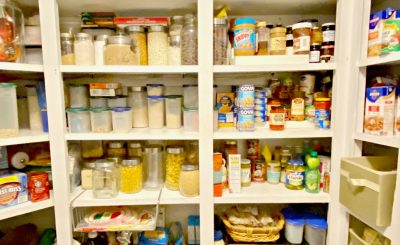
- Store with Strategy: Keep prepped “safe” meals on a specific shelf in the fridge, clearly labeled and sealed. Store allergen-containing foods (for other household members) on a different shelf, preferably lower to avoid drips or crumbs.
- Clean Like a Pro: Wipe down all surfaces with dedicated cloths before you start your safe meal prep session. Dishwashers are great, but a thorough scrub for colanders and shared equipment is non-negotiable.
The Flexible Template System: Your Weekly Blueprint
Rigid plans break. Flexible templates bend and adapt. Instead of assigning “Wednesday = chili,” think in components. Build a plate from categories. This is the secret sauce for managing multiple restrictions—say, dairy-free and low-FODMAP, or vegan and nut-free.
| Component | Gluten-Free / Celiac Focus | Dairy-Free Focus | Plant-Based / Vegan Focus |
| Protein Base | Batch-cooked quinoa, certified GF oats, lentils | Marinated baked tofu, chickpeas, hemp seeds | Black beans, tempeh, edamame, vegan “mince” |
| Flavor Vehicle | Tamari (GF soy sauce), nutritional yeast, spices | Coconut aminos, cashew cream, tahini | Miso paste, smoked paprika, umami seasoning |
| Low-Effort Veg | Sheet-pan roasted broccoli, zucchini “noodles” | Steamed green beans, spiralized carrots | Massaged kale, quick-pickled red cabbage |
| Make-Ahead Sauce | Sun-dried tomato pesto (check cheese), herb vinaigrette | Dairy-free “cheeze” sauce, lemon-dill dressing | Cilantro-lime crema (tofu-based), peanut-free satay |
See? You mix and match. A dairy-free protein with a vegan sauce over gluten-free grains. This modular approach prevents boredom and makes swapping ingredients for another restriction—like going soy-free—much, much easier.
Batch Cooking the Smart Way: Flavor Without Fatigue
Here’s the deal: cooking three different proteins and five separate veggies on a Sunday is a recipe for burnout. Instead, use the “one base, multiple outcomes” method.
Take a big batch of plain, rinsed black beans. Divide it. Season one portion with cumin and chili powder for tacos. Simmer another with garlic-infused oil (for low-FODMAP) and rosemary for a soup base. Puree a third with cocoa and a touch of maple syrup for a… surprising brownie batter. Okay, that last one might sound wild, but it works! You’ve used one safe, core ingredient to create variety.
Navigating Specific Restrictions: The Nuances
Each dietary need has its own quirks. Let’s dive into a couple of common, tricky ones.
Mastering Gluten-Free & Celiac-Safe Prep
It’s not just avoiding wheat. It’s about the hidden stuff—soy sauce, some spice blends, even that bit of flour that dusts the pre-shredded cheese. Your best friends? Naturally gluten-free whole foods: rice, potatoes, corn, meat, eggs, fruits, and veggies. For advanced prep, invest in dedicated condiment squeeze bottles to prevent knife-double-dipping into jars. And when you find a certified gluten-free pasta or flour blend you love, stick with it.
The Dairy-Free Dilemma: Beyond the Milk Carton
Dairy hides in whey, casein, and “natural flavors.” For creamy textures without the cow, you have options. Cashew cream is a godsend for sauces. Coconut milk adds richness to curries. And for calcium? Batch-prep collard greens or bok choy to toss into meals. A pro tip: when a recipe calls for “buttery” flavor, a dash of nutritional yeast and a pinch of salt in your olive oil can work minor miracles.
The Label-Reading Deep Dive You Didn’t Know You Needed
You know you have to read labels. But advanced prep means reading every single label, every single time. Manufacturers change formulations. “May contain” statements are voluntary but critical for allergy sufferers. Develop a scan pattern: 1. Check the allergen statement. 2. Read the full ingredient list. 3. Look for advisory warnings. It takes ten extra seconds and it’s the most important part of your shopping trip.
Embracing the “Imperfect” Prep
Finally, a human truth: you will have off weeks. The goal isn’t perfect symmetry—it’s resilient progress. Maybe you only prep components, not full meals. Maybe you keep a “safe” frozen meal for emergencies. That’s not failure; it’s a smart part of the system.
Advanced meal prep for dietary restrictions is, in the end, a profound act of self-care. It’s building a kitchen fortress where you can create, nourish, and thrive without second-guessing. It turns limitation into a curious, creative challenge. And honestly, the food you make? It’s often more interesting, more vibrant, and more yours than anything you could grab off a generic shelf. Start with one safe sauce, one dedicated shelf. The confidence, and the delicious meals, will follow.