
Let’s be honest—the picture-perfect nuclear family home, you know, the one with 2.5 kids and a white picket fence, is just one of many stories being written today. In fact, more of us are living in multigenerational households than at any point in the last 50 years. We’re seeing adult kids boomeranging back, grandparents moving in for care or companionship, and blended families creating entirely new rhythms.
And our houses? Well, they’re struggling to keep up. That classic three-bedroom layout often feels like a rigid puzzle when your family structure is fluid. So, how do we adapt? The goal isn’t just to squeeze people in. It’s to craft a home that nurtures privacy, connection, and independence—all under one roof. Let’s dive into the practical, and sometimes surprising, ways to make it work.
The New Normal: Why Our Homes Need to Bend
It’s a mix of economics, aging, and honestly, a shift in what we value. Sky-high housing costs make pooling resources a smart move. An aging population means more families are navigating in-home care. And after the last few years, we’ve all seen the value of having family close—for support, for shared meals, for simply knowing someone’s there.
The pain point is real: a lack of flexible home design. Open-plan living is great until Grandpa wants to watch the news and the teens are gaming at full volume. A single primary suite leaves everyone else feeling like a guest. Adapting your home for multigenerational living starts with rethinking space from the inside out.
Zoning: The Secret to Harmony (And Quiet)
Think of your home not as rooms, but as territories. Successful multigenerational design hinges on creating clear zones. This isn’t about building walls everywhere—it’s about intentional boundaries.
1. The Private Suite Sanctuary
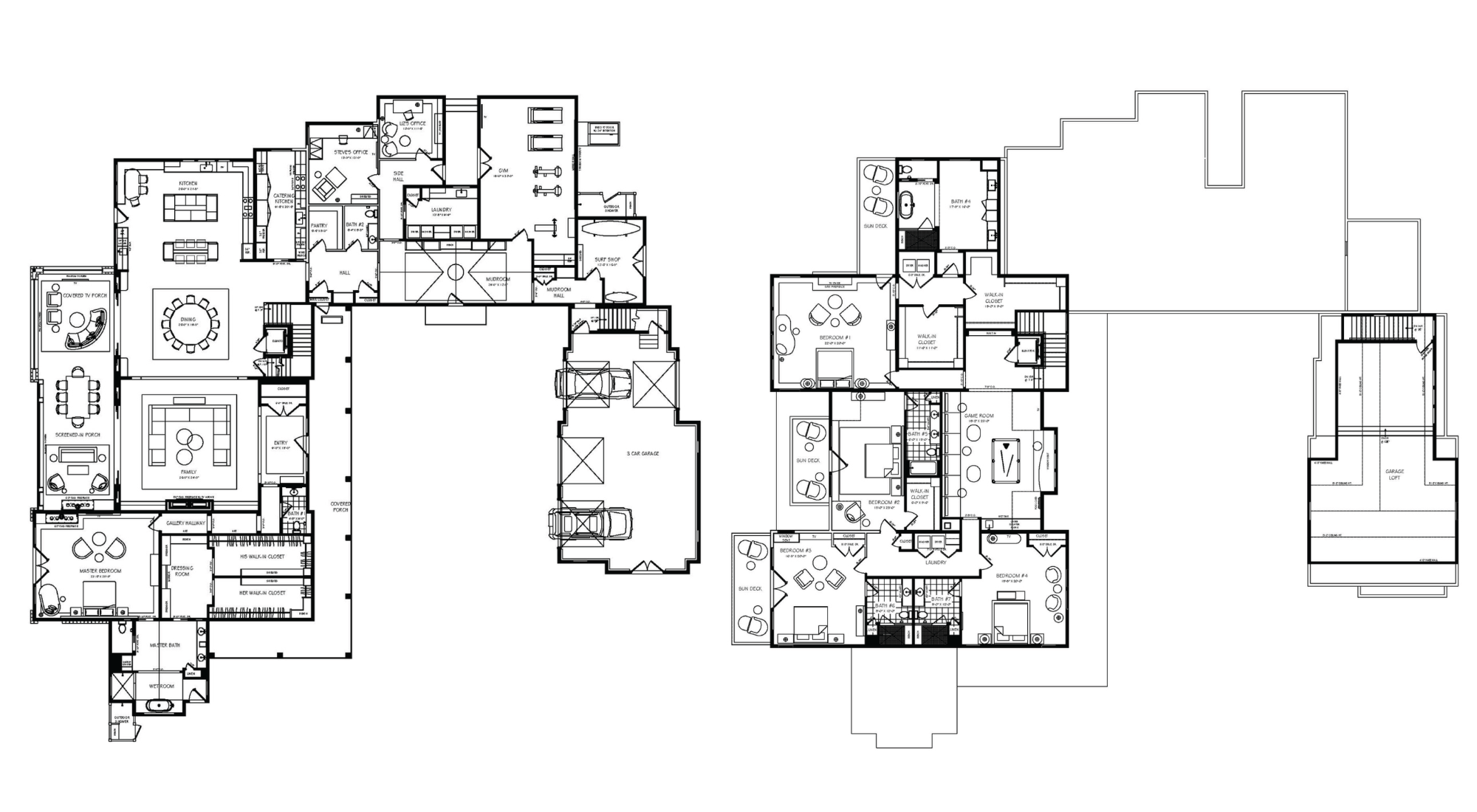
This is the non-negotiable. Every adult, or each family unit within the house, needs a defined private zone. Ideally, this is a self-contained suite. What does that look like? Well, it could be a converted basement with an egress window, a ground-floor addition, or a thoughtfully segmented upstairs area.
- Must-haves: A bedroom, a private bathroom (or easy access to one), and dedicated storage.
- Nice-to-haves: A small kitchenette or wet bar, a separate exterior entrance, and a sitting area.
- The magic: This setup grants autonomy. It lets one generation have morning coffee on their schedule, while another sleeps in. It turns “living together” into “choosing to come together.”
2. Shared Spaces That Actually Work
Common areas are the glue. But they need to serve multiple purposes seamlessly. The key is flexible furniture and flow. Think modular sofas that can be reconfigured, large dining tables that accommodate both Tuesday dinners and Sunday homework marathons, and—crucially—acoustic considerations. Rugs, curtains, and even wall panels can soak up sound, making the shared living room a place for both lively gatherings and quiet reading.
Practical Adaptations: Big Ideas and Small Tweaks
Not everyone can build an addition. Here’s where creativity meets practicality. Adapting your current home for flexible family structures is totally possible.
- Convert Underutilized Spaces: That formal dining room that gets used twice a year? It’s a prime candidate for a main-floor bedroom or a study nook. A large walk-in pantry might be reconfigured to include stackable washer/dryer units, creating a second laundry station.
- Embrace Convertible Rooms: A home office by day can be a guest room by night with a quality sofa bed or Murphy bed with built-in storage. Pocket doors or room dividers can instantly create privacy where you need it.
- Universal Design is for Everyone: This is a big one. Incorporating features like zero-threshold showers, wider doorways, and lever-style handles isn’t just for aging in place. It makes life easier for parents with strollers, a kid with a sprained ankle, or anyone carrying a laundry basket. It’s thoughtful design that anticipates change.
Navigating the Financial and Emotional Landscape
Sure, the square footage and floor plans matter. But the real adaptation happens in the conversations. Money and boundaries are the two pillars.
| Consideration | Questions to Ask | Potential Solutions |
| Financial Contributions | How are mortgage/rent, utilities, and groceries split? Who pays for renovations? | Create a clear, written agreement. Consider proportional contributions based on income and space used. |
| Household Responsibilities | Who cooks, cleans, maintains the yard? How are chores divided across generations? | A rotating chore chart visible to all. Weekly family meetings to check in on the system. |
| Privacy & Boundaries | What are the expectations for shared spaces? How do we handle guests, noise, and personal time? | Establish “quiet hours.” Use visual cues (like headphones or a door sign) to signal “do not disturb.” |
The emotional piece? It’s about managing expectations and honoring individual rhythms. It’s okay to not eat every meal together. It’s healthy to have separate social lives. The house should facilitate that independence, not hinder it.
The Future-Proof Home
Ultimately, adapting a home for this new reality is about building in resilience. We’re designing for life’s chapters—the new baby, the college grad finding their feet, the beloved elder needing care, the family that grows and shifts.
It’s a move away from static, single-purpose rooms toward fluid, forgiving spaces. A den becomes a nursery becomes a teen’s hangout. A first-floor suite hosts an in-law and later, becomes a lucrative rental or a quiet retreat for empty-nesters. The home becomes a living system, not just a structure.
And maybe that’s the real takeaway. Our homes have always been shelters, but now they’re being asked to be something more: adaptable partners in our complex, beautiful, and ever-changing family stories. The best adaptation, then, might just be a shift in perspective—seeing walls not as barriers, but as membranes, breathing with the lives they contain.