
Let’s be honest. You fell in love with the open-concept layout for its airy feel, the sightlines, that sense of connection. But now you live in a beautiful, modern… echo chamber. The clatter of pans from the kitchen drowns out the TV dialogue. A work call in the living room is punctuated by the blender’s roar. It’s the classic trade-off: visual spaciousness for acoustic chaos.
Here’s the deal: you don’t have to choose. With some smart acoustic optimization, you can keep the open feel while reclaiming peace, privacy, and auditory sanity. It’s not just about buying a rug—though that helps—it’s about a strategic layering of solutions. Let’s dive in.
Why Open Plans Are So Noisy: The Science of Sound Travel
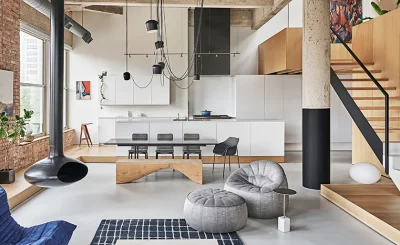
First, a quick primer. Sound is energy. In a traditional home, walls and doors act as barriers, absorbing and blocking that energy. In an open space, sound waves just… keep going. They bounce off all those hard, reflective surfaces we love—hardwood floors, tall windows, bare walls, granite countertops. This creates two main issues:
- Reverberation: That lingering echo, the “live” feeling where noise hangs in the air.
- Lack of Sound Masking: With no barriers, every sound is exposed. You hear everything, everywhere.
Think of it like a gymnasium versus a library. We’re aiming for library coziness within the gym’s footprint. The goal isn’t to create dead silence, but to manage the sound energy through absorption, diffusion, and blocking.
Layer 1: Soft Furnishings & Strategic Decor (The Low-Hanging Fruit)
This is where you start. Honestly, it’s the easiest and most aesthetic step. You’re essentially introducing soft, porous materials that soak up sound waves instead of bouncing them around.
Go Big on Textiles
- Rugs and Carpets: This is your first line of defense, especially on hardwood or tile. A large, plush area rug with a thick pad underneath is a sound sponge for footfalls and chatter.
- Curtains & Drapes: Swap those sleek roller blinds for heavy, floor-to-ceiling curtains. Fabric folds are fantastic for absorption, particularly on large window walls.
- Upholstered Furniture: A big fabric sofa absorbs more sound than a leather one. Think plush, overstuffed pieces.
Thoughtful Accessories
- Throw pillows and blankets aren’t just cozy; they’re mini acoustic panels.
- Bookshelves, especially filled with books of uneven sizes, act as natural sound diffusers, breaking up sound waves.
- Tapestries or large fabric art on walls.
It’s a start, sure. But for true acoustic optimization in a large space, these decorative touches often need a friend…
Layer 2: Architectural & Built-In Solutions (The Game Changers)
When soft furnishings aren’t enough, it’s time to think more structurally. These techniques integrate sound control into the very fabric of your space.
Acoustic Panels & Wall Treatments
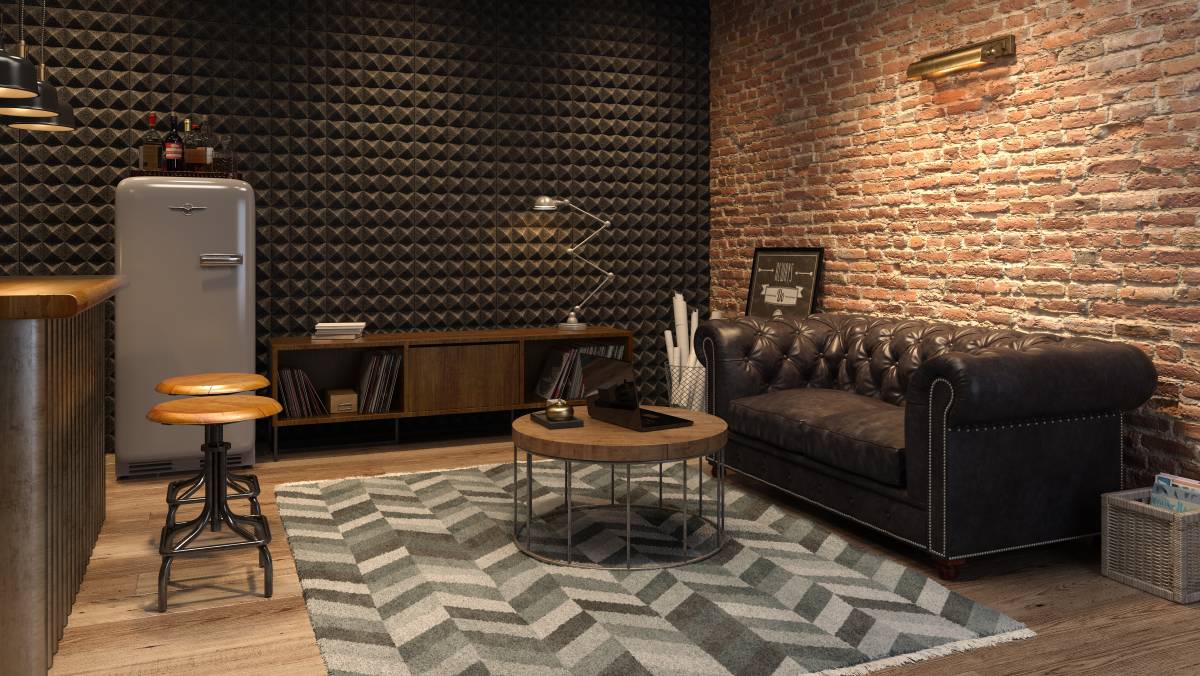
Gone are the days of ugly studio foam. Modern acoustic panels are design features—available in artwork, woven textures, even customizable prints. Place them strategically on ceilings (cloud panels) or at key reflection points on walls, like the space between your TV and kitchen.
Furniture as Architecture
Use tall, substantial furniture to create implied walls. A large, backless bookshelf between living and dining areas visually maintains openness but physically breaks up sound paths. A console table behind a sofa can serve a similar purpose.
The Power of the Ceiling
Ceilings are huge, often-ignored reflective surfaces. Consider:
- Acoustic Ceiling Tiles or Clouds: Perfect for dropped ceiling areas or mounted directly.
- Beams: Adding wood beams can break up sound reflection patterns.
- Textured Plaster: A heavily textured finish like trowel-applied plaster absorbs more sound than a flat, smooth finish.
| Solution | Best For Targeting… | Visual Impact |
|---|---|---|
| Large Area Rug | Impact noise, general reverberation | Low (adds style) |
| Acoustic Art Panels | Mid-to-high frequency echoes (voices, TV) | Low to Medium (can be a focal point) |
| Tall, Full Bookshelf | Blocking & diffusing sound travel between zones | Medium (acts as a room divider) |
| Ceiling Clouds | Overall reverberation from above | Medium (architectural element) |
Layer 3: Smart Zoning & Behavioral Tricks (The Subtle Art)
Sometimes, the best acoustic optimization is about how you use the space. It’s about creating auditory zones without building walls.
- Define Zones with Lighting: Use pendant lights over a dining table, floor lamps to create a reading nook. Different light temperatures and intensities can psychologically separate spaces, making noise from other zones feel less intrusive.
- Introduce “Sound Signatures”: A gentle, consistent background sound in one zone can mask disruptive noises from another. Think of a small tabletop fountain in the living room or a quiet fan. It’s not about covering noise with more noise, but with a pleasant, consistent buffer.
- Strategic Flooring Transitions: If possible, use different flooring materials to delineate zones—e.g., carpet in the living area, tile in the kitchen. This isn’t just visual; the change in material changes how sound travels.
When to Bring in the Big Guns: Professional Considerations
For severe issues or during a renovation, you might consider deeper solutions. These are more about blocking sound at its source or within the building structure itself.
- Insulated Interior Walls: If you’re adding any partial walls or pony walls, insulate them. It makes a huge difference.
- Soundproofing Underlayment: If installing new flooring, use a premium acoustic underlayment. It decouples the floor from the subfloor, reducing impact noise (like footsteps).
- Mass-Loaded Vinyl (MLV): A thin, dense sheeting that can be added behind drywall, under floors, or even behind kitchen cabinets to add mass and block sound transmission. It’s a pro job, but incredibly effective.
Wrapping It Up: Your Acoustic Action Plan
So where do you begin? Don’t try to do everything at once. Start with the layers.
- Audit your space. Have someone clap loudly or play music from the kitchen while you sit in the living area. Listen for the echo. Identify the hardest, most reflective surfaces.
- Attack the floors and windows first with rugs and curtains. The payoff is immediate.
- Introduce soft, bulky elements—more upholstery, pillows, maybe a fabric room divider.
- Consider one statement acoustic treatment, like a set of beautiful ceiling panels or an artistic wall panel behind your main seating area.
- Embrace zoning. Use light and furniture arrangement to gently guide both the eye and the ear.
In the end, acoustic optimization for an open-concept home is a balancing act. It’s about layering materials and strategies to create an environment that feels both expansive and intimate, both connected and comfortably private. You get to keep the light and the views. You just lose the noise. And honestly, that’s a trade worth making.