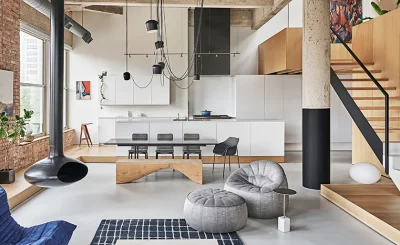

Let’s be honest. The phrase “aging-in-place renovations” often conjures images of sterile, hospital-like spaces—grab bars that look like they belong in a subway station, clunky shower chairs, and a general feeling that style was the first casualty. But what if it didn’t have to be that way? What if your forever home could be both supremely safe and stunningly beautiful?
That’s the heart of accessible luxury design. It’s a philosophy that says universal design principles—think ease of use, safety, and comfort for all ages and abilities—can, and should, be seamlessly woven into a high-end aesthetic. It’s not about waiting for a crisis to remodel. It’s about proactive, thoughtful design that enriches daily life now and provides peace of mind for the future. Here’s the deal: your home should adapt to you, not the other way around.
Beyond the Grab Bar: The Core Principles of Luxury Accessibility
So, what makes a design both accessible and luxurious? It’s more than just swapping out fixtures. It’s a mindset. Think of it like the best ergonomic office chair—it supports you invisibly, its function baked into a form you actually want to look at.
1. Seamless Integration is Everything
The key is integration. A beautifully tiled shower bench that flows from the wall, not a bolt-on plastic seat. A stylish, solid teak handrail along a staircase that doubles as a sculptural element. Cabinetry pulls that are easy to grip but look like modern jewelry for your kitchen. The goal is for safety features to feel like intentional design choices, not medical afterthoughts.
2. The Magic of Zero-Threshold Transitions
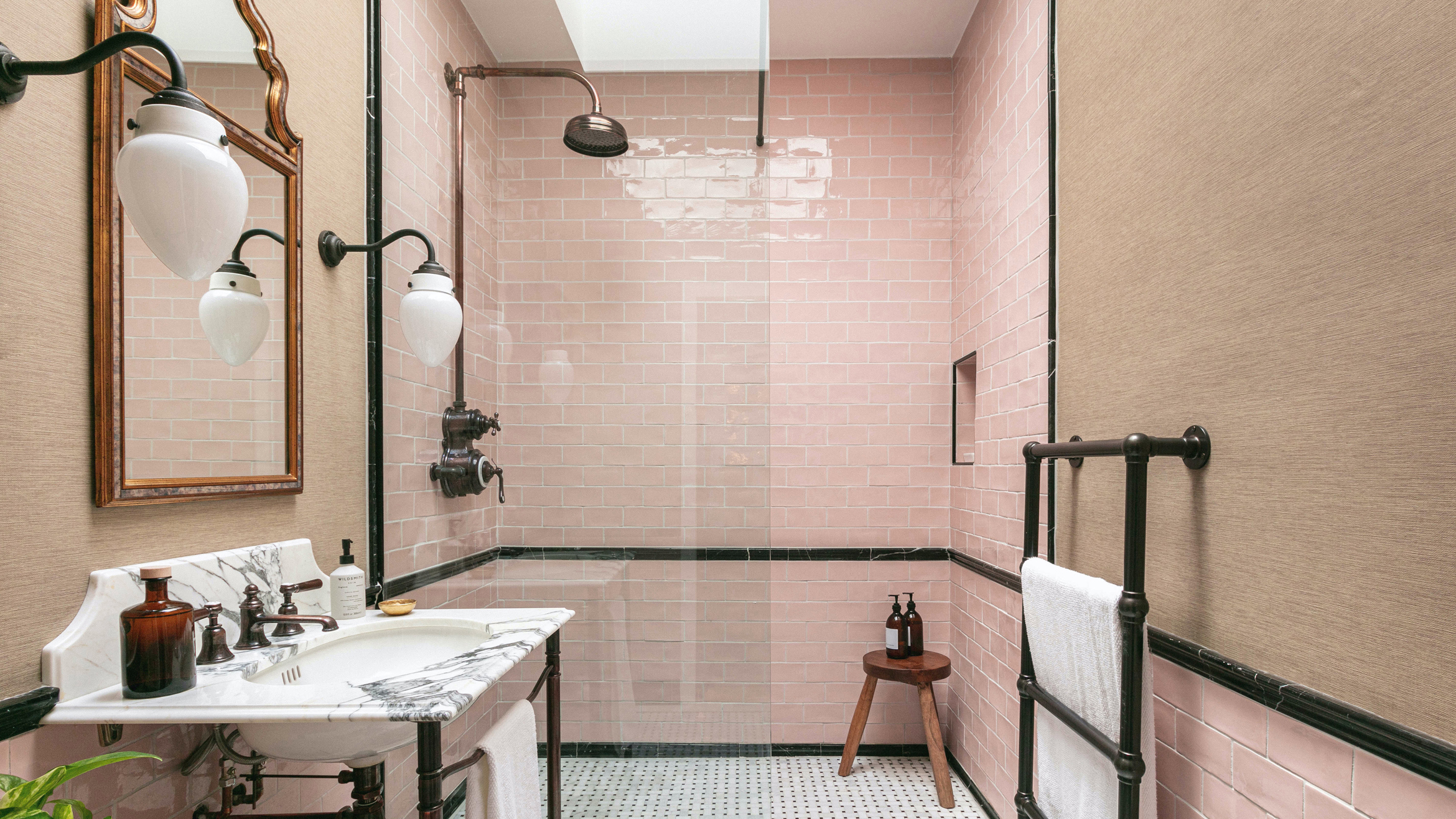
This is a big one, and honestly, it’s a game-changer for everyone—not just those with mobility concerns. Eliminating the lip or step into a shower (a zero-threshold entry) creates a sleek, minimalist look and prevents tripping. It’s a cornerstone of barrier-free living, and when done with elegant linear drains and large-format tiles, it becomes the centerpiece of a spa-like bathroom.
3. Intelligent Lighting & Sensory Comfort
Luxury is as much about atmosphere as it is about materials. As eyesight changes, layered lighting becomes non-negotiable. Think automated, dimmable LED strips under cabinets, in toe-kicks, and along hallways for gentle night-time navigation. Contrast is crucial, too—a dark cabinet against a light quartz countertop makes edges easier to see. It’s about creating an environment that feels intuitively easy on the senses.
Room-by-Room Strategies for Aging-in-Place Elegance
Okay, let’s get practical. How does this play out in actual rooms?
The Kitchen: The Heart of the Home, Reimagined
The kitchen is a prime candidate for accessible kitchen design. It’s not just about lower counters. It’s about smart zones.
- Variable-Height Counters: Sections that can be raised or lowered with a discreet motor allow for prep work seated or standing.
- Smart Appliances: Drawer-style dishwashers and microwaves, induction cooktops with cool surfaces, and wall ovens at a comfortable height eliminate bending and reaching.
- Touch-Activated or Lever Faucets: Goodbye to tricky knobs. Hello to sleek, hands-free operation.
The Primary Bathroom: Your Personal Wellness Retreat
This is where luxury and accessibility truly merge. The goal? A personal spa that happens to be supremely safe.
| Feature | Standard Approach | Luxury Accessible Approach |
| Shower Entry | 4-inch step-over curb | Zero-threshold, textured stone tile |
| Seating | Plastic shower chair | Teak or stone bench, seamlessly built-in |
| Grab Bars | Chrome, institutional | Matte black, designer-grade bars; towel bars rated for support |
| Faucets | Standard knobs | Thermostatic valve with lever handles; anti-scald protection |
Throughout the Home: The Subtle Details
Wider doorways (aim for 36 inches) feel more grand, not just more functional. Smooth, hard-surface flooring like luxury vinyl plank or cork offers underfoot comfort and ease for wheels or walkers. Smart home systems—voice-activated lights, thermostats, and security—add a layer of effortless control that’s just, well, cool.
Investing in Forever: The Real Value of Proactive Design
This approach is an investment, sure. But it’s a savvy one. You’re not just installing features; you’re enhancing the home’s long-term value and appeal for a massive demographic. Think of it as future-proofing. You get to enjoy the benefits every single day—the ease, the flow, the sheer pleasure of a home that works with you.
And the psychological comfort? Priceless. Knowing you’ve created a space where you or loved ones can live independently, with dignity and joy, for decades to come… that’s the ultimate luxury. It’s peace of mind, designed right into the walls.
So forget the clinical imagery. The new wave of aging-in-place design is here, and it’s sophisticated, human-centered, and deeply beautiful. It asks a simple but powerful question: Why shouldn’t the home that protects you also be the home that inspires you every time you walk in?