
Let’s be honest—the last few years have taught us that the hum of the global supply chain isn’t a constant. It’s more like a fragile melody, easily disrupted by a storm, a geopolitical hiccup, or, well, a pandemic. Suddenly, that shelf-stable milk or your favorite pasta shape is just… gone.
But here’s the deal: building a resilient pantry isn’t about doomsday prepping or hoarding. It’s about creating a buffer of practical, nutritious food that gives you peace of mind and genuine options when the store shelves look a little thin. Think of it as culinary insurance. It’s the difference between stress and a shrug when life throws a curveball.
Shifting Your Mindset: From Stockpile to Strategic Reserve
First, we gotta ditch the scarcity mindset. A resilient pantry isn’t a static bunker of cans you forget about for five years. It’s a dynamic, rotating system that integrates with your regular cooking. You’re not stockpiling unfamiliar foods; you’re strategically amplifying the staples you already know and love.
This approach saves money, reduces waste, and honestly, makes the whole idea feel less overwhelming. You’re just shopping a bit further ahead of your needs, that’s all.
The Core Principles of Pantry Resilience
Okay, so how do we actually do this? A few guiding lights will steer you right.
- Prioritize Nutrition & Variety: Calories alone aren’t enough. Aim for a balance of proteins, carbs, and healthy fats. And variety isn’t just about taste—it prevents “food fatigue,” which is a real thing when you’re leaning on your reserves.
- Embrace Rotation (The First-In, First-Out Rule): Always place new items at the back. Use the older ones first. This simple habit is the absolute backbone of a non-wasteful pantry.
- Focus on Shelf Stability: We’re talking foods that last months or years without refrigeration. Dried, canned, jarred, and properly packaged goods are your heroes here.
- Know Your “Why”: Are you preparing for a two-week storm isolation? Potential job loss? General inflation buffering? Your “disruption scenario” shapes your shopping list.
The Resilient Pantry Inventory: What to Actually Stock
Alright, let’s get practical. This isn’t an exhaustive list, but a framework. Mix and match based on your family’s tastes.
The Absolute Foundation (The “Can’t Cook Without” Stuff)
These are the building blocks of countless meals. You know, the items that make you think, “I can throw something together,” even when the fridge is bare.
- Grains & Carbohydrates: Rice (white, brown, jasmine), dried pasta, oats, quinoa, barley, popcorn kernels.
- Legumes & Proteins: Dried beans (black, pinto, kidney, lentils), canned beans, canned fish (tuna, salmon, sardines), jarred meats (like chicken or turkey), nuts and seeds, peanut butter.
- Fats & Oils: Cooking oil (high-smoke point like avocado or canola), olive oil, coconut oil, ghee or shelf-stable butter.
- The Flavor Arsenal: Salt (a lot!), black pepper, dried herbs (oregano, basil), spices (cumin, chili powder, garlic powder), bouillon cubes/paste, vinegar (white, apple cider), soy sauce, honey, sugar.
Leveling Up: Nutrition, Comfort, and Versatility
Once your foundation is solid, these additions seriously up your game. They add vital nutrients and—just as important—morale-boosting comfort.
- Dairy & Alternatives: Shelf-stable milk (dairy or plant-based), powdered milk, canned cheese sauce, nutritional yeast.
- Fruits & Vegetables: Canned tomatoes (diced, crushed, paste), canned fruits in juice, applesauce, dried fruits (raisins, apricots), dried vegetables (mushrooms, onions), jarred salsa, pickled vegetables.
- Meal Helpers: Complete sauces (jarred curry, pasta sauce), broth, instant soups, pancake/baking mixes, dark chocolate (for sanity!).
Organizing Your Pantry for Actual Use
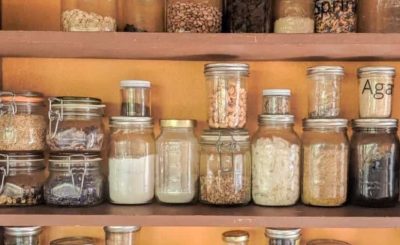
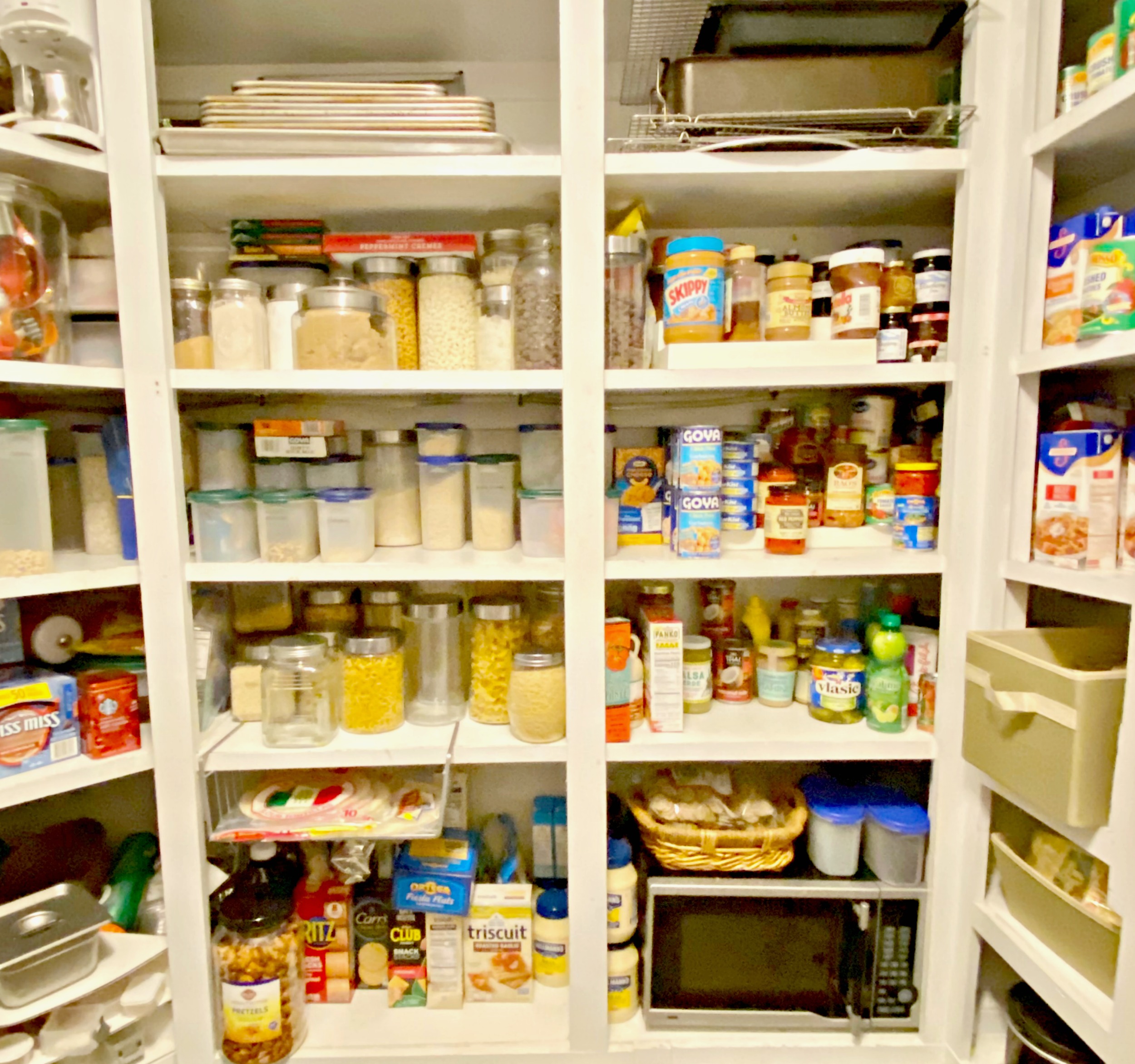
A chaotic pantry is an unusable pantry. You need to see what you have. Group like items together—all the beans here, all the grains there, a baking section, a breakfast corner. Use clear containers (like mason jars or OXO pop-top ones) for bulk items. It looks tidy, keeps pests out, and you can see your stock level at a glance.
Consider a simple inventory list, maybe on a dry-erase board inside a cabinet door. Just a quick tally of what’s running low. It prevents that “I think we have more rice” guessing game.
A Sample 72-Hour “Deep Shelf” Meal Plan
Let’s make this concrete. Here’s how a resilient pantry can feed a family for three days without a fridge or a store run. No fancy recipes required.
| Meal | Possible Pantry-Only Creation |
| Breakfast | Oatmeal with dried fruit, honey, and shelf-stable milk. Or pancake mix with canned fruit compote. |
| Lunch | Chickpea salad (canned chickpeas, olive oil, vinegar, dried herbs) on crackers. Apple sauce on the side. |
| Dinner | Pasta with jarred marinara and canned white beans stirred in. Canned green beans on the side. |
| Snacks | Popcorn, trail mix, peanut butter on rice cakes, canned fruit. |
See? It’s simple, nutritious, and honestly, pretty tasty. It proves you don’t need to sacrifice good eating for preparedness.
The Human Element: Building Your Habit
The biggest disruption to your pantry plan? Forgetting about it. So, integrate it into your life. When you use a can of beans, add two to your next shopping list. Try a “pantry challenge” meal once a week, where you cook only from your deep shelf. It sparks creativity and ensures rotation.
And start small, really. Don’t try to build this in a weekend. Next grocery trip, just grab an extra bag of rice, a few more cans of tomatoes, and a jar of that nut butter you love. That’s it. That’s progress. Slow and steady builds a buffer that lasts.
In the end, a resilient pantry is a quiet act of modern wisdom. It’s not about fear of the world outside; it’s about cultivating a small, dependable abundance within your own home. It turns global uncertainty from a source of anxiety into a managed variable—something you’ve already accounted for, with a well-stocked shelf and a plan for dinner.