
Remember when “making something” meant a trip to a big-box store or waiting weeks for a shipped part? That’s changing. Fast. In garages, spare rooms, and basements across the country, a quiet revolution is humming, literally. It’s the rise of the domestic micro-factory and the evolution of the home maker space.
This isn’t just about a hobbyist with a 3D printer anymore—though that’s a huge part of it. It’s about individuals and small teams creating professional-grade products, on-demand, from the comfort of their homes. Let’s dive into what’s fueling this shift and why it might just redefine how we think about making, buying, and owning stuff.
From Hobby Bench to Production Line: What’s Changed?
So, what’s the deal? Why now? Well, a perfect storm of accessible technology, shifting mindsets, and, honestly, global supply chain headaches have pushed this trend into overdrive. The tools that were once locked away in industrial parks are now desktop-sized and (relatively) affordable.
The Tech Trinity Powering Home Production
Three key technologies have become the backbone of the home-based manufacturing setup.
- 3D Printers (Additive Manufacturing): The poster child. From simple prototypes to final-use parts in metal and high-strength polymers, these machines have evolved from quirky plastic doodad makers to serious fabrication tools.
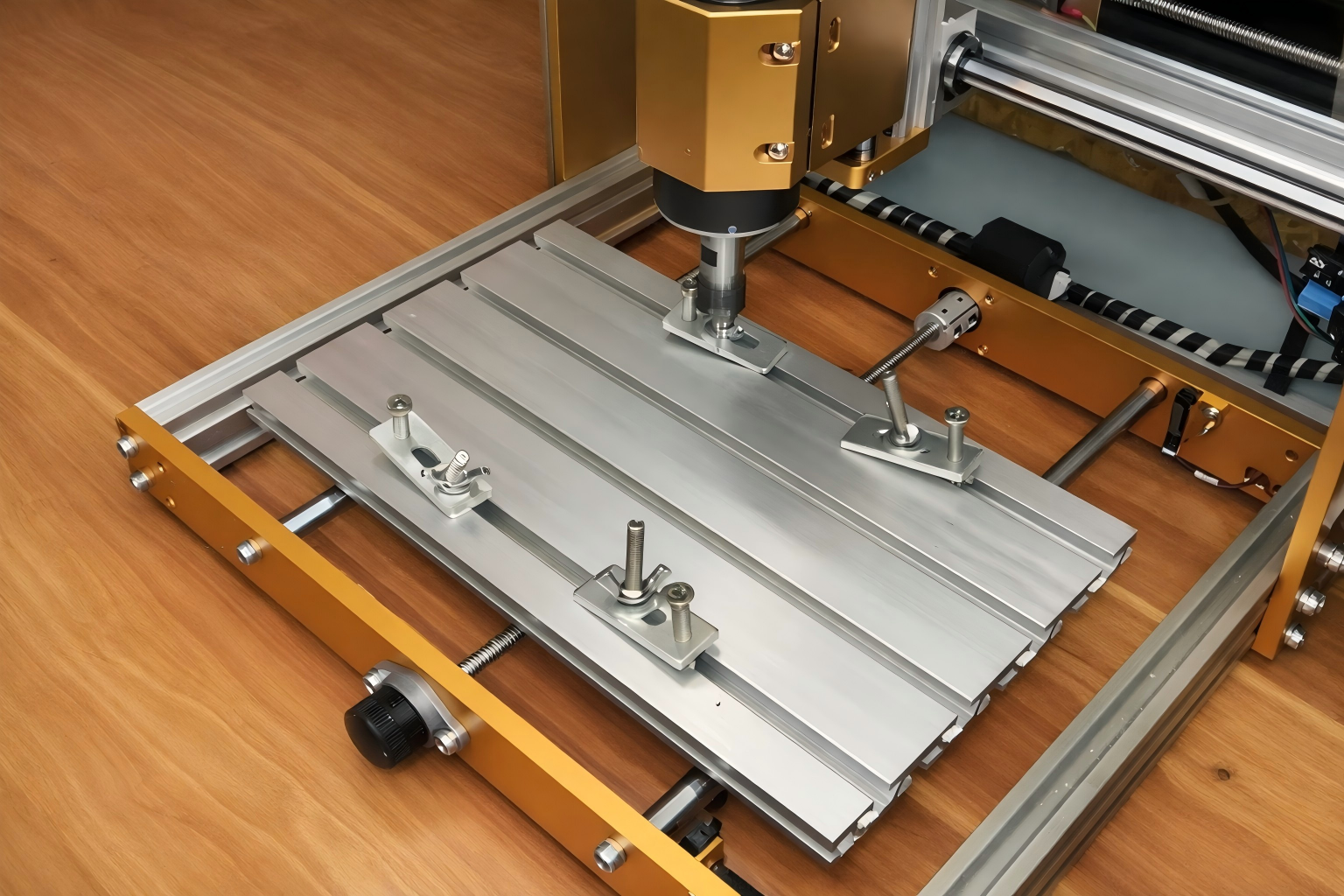
- Desktop CNC Machines: Think of these as computerized carvers. They precisely cut, mill, and engrave materials like wood, aluminum, and composites. Where 3D printing adds material, CNC machining refines it. Together, they’re a powerhouse.
- Laser Cutters & Engravers: For intricate designs in plywood, acrylic, leather, and fabric, these tools offer speed and precision that’s hard to match by hand. They’ve become essential for creating everything from custom signage to intricate jewelry.
And here’s the kicker: the software to run these machines? Often free or subscription-based, with massive online communities to help you learn. The barrier to entry has never been lower.
More Than a Workshop: The Maker Space Mindset at Home
This movement isn’t just about the gear. It’s a mindset. The home maker space movement is fueled by a desire for self-sufficiency, customization, and sustainability. People are tired of disposable, one-size-fits-all products. They want to repair, modify, and create exactly what they need.
It’s also a reaction to the “gig economy.” For many, a domestic micro-factory represents a path to a small, self-owned business. You can design a unique product in the evening, produce a small batch overnight, and ship it the next day. The entire product lifecycle—from idea to customer—happens under one roof. That’s incredibly powerful.
The Real-World Impact: What Are People Actually Making?
This isn’t theoretical. From Etsy storefronts to niche B2B suppliers, home-based production is already here. Here’s a quick look at some common outputs:
| Category | Examples | Typical Tools Used |
| Custom Fashion & Accessories | Personalized jewelry, leather wallets, bespoke eyewear frames, shoe prototypes. | Laser cutter, 3D printer, small press. |
| Home & Hardware | Specialized tool organizers, unique cabinet pulls, replacement parts for appliances, smart home device enclosures. | 3D printer, CNC machine. |
| Tech & Gadgets | Raspberry Pi cases, custom keyboard parts, drone components, podcasting equipment mounts. | 3D printer, laser cutter. |
| Toys & Games | Board game pieces, miniature terrain for tabletop gaming, educational puzzles. | 3D printer, laser cutter. |
The beauty is in the small batches. A major corporation wouldn’t bother making a specialized bracket for a 1990s lawnmower. But someone in their garage with a CAD file and a CNC machine? That’s a solved problem—and a potential sale to a dedicated online community.
Not All Glitter and PLA Filament: The Real Challenges
Sure, it sounds idyllic. But running a small-scale home manufacturing business comes with its own set of headaches. Let’s be real.
- Space & Noise: These machines need room. They can be loud, dusty, or emit fumes. Proper ventilation and soundproofing become real household concerns.
- The Learning Cliff: Mastering CAD design, machine G-code, and material science is no small feat. It’s a constant learning process.
- Scaling Pains: Fulfilling ten orders is fun. Fulfilling a hundred can be a logistical nightmare when you’re also the shipping department.
- Regulatory Murk: Zoning laws, business licenses, and safety regulations weren’t written with home-based CNC operations in mind. Navigating this gray area is tricky.
The Future Is Distributed (and Probably in a Garage)
So where is this all heading? The trend points toward a more distributed, resilient model of production. Instead of one massive factory shipping globally, we might see networks of local micro-factories serving their regions. Need a part? It gets designed in the cloud and produced at the nearest home-based hub, slashing shipping time and cost.
This also dovetails with the “right-to-repair” movement. As products become more complex, having local makers who can fabricate a broken plastic clip or a rare bracket keeps goods out of landfills. It’s a more circular, less wasteful approach.
The rise of domestic micro-factories and home maker spaces is, at its heart, a reclamation of agency. It’s about turning consumers back into creators, even if just a little bit. It’s messy, sometimes frustrating, and absolutely thrilling. The hum of a printer or the whir of a CNC spindle isn’t just noise anymore—it’s the sound of a new, more personal industrial revolution starting up, one garage at a time.