
Imagine stepping onto your balcony, patio, or tiny backyard and plucking a sun-warmed fig, snipping fresh herbs for dinner, or harvesting a handful of berries for your morning oatmeal. This isn’t a fantasy. It’s urban food forestry, and honestly, it’s not just for people with acreage. In fact, transforming a small urban space into a layered, productive, edible landscape is one of the most rewarding things you can do.
Here’s the deal: food forestry mimics a natural forest’s structure. Think canopy trees, understory shrubs, herbaceous plants, ground covers, and root crops—all working together. Now, scale that down. A lot. Your “forest floor” might be a container, your “shrub layer” a potted blueberry bush. It’s about stacking functions in both space and time, getting the most food, beauty, and resilience from every square inch.
Why Bother? The Big Benefits of Tiny Food Forests
Sure, you could just grow a tomato plant. But creating a mini ecosystem does more. It builds soil health, attracts pollinators, and requires less watering and fuss over time than a traditional, single-crop garden. It’s a buffer against the “all your eggs in one basket” problem—if one plant struggles, others thrive. You get biodiversity in a pot.
And then there’s the sheer joy of it. A small-space food forest is a living, breathing piece of nature right outside your door. It’s a sensory experience—the smell of lemon verbena, the texture of lamb’s ear, the taste of a fresh strawberry. It connects you to your food in a way a grocery store simply never could.
The Core Principles: Scaling Down the Forest
1. Vertical Stacking is Your Best Friend
Forget thinking in just squares. Think in cubes. Use walls, railings, and trellises. A dwarf apple tree (your canopy) can be underplanted with shade-tolerant herbs like mint or sorrel. A tall, deep pot can host a taproot like a carrot, a bulb like onions, and a low ground cover like creeping thyme. You’re building a plant community.
2. Choose Plants That Play Nice Together
Companion planting is key. Some plants support each other—they deter pests, improve flavor, or fix nitrogen in the soil. It’s like hosting a dinner party where all the guests get along famously.
| Plant (The Anchor) | Great Companions (To stack with it) | Why It Works |
| Dwarf Citrus Tree | Chives, nasturtiums, borage, sweet alyssum | Chives deter pests; nasturtiums are a trap crop; borage attracts bees; alyssum is a living mulch. |
| Blueberry Bush (in acidic soil) | Wild strawberries, lingonberry, oregano | All enjoy similar soil pH. Strawberries provide ground cover, oregano deters pests. |
| Pole Beans (on a trellis) | Lettuce, spinach, radishes | Beans provide light shade for cool-season greens growing below. Radishes are a quick harvest. |
3. Perennials Over Annuals (When You Can)
This is a game-changer for low-maintenance urban food forestry. Perennials come back year after year. You plant them once. Think asparagus, rhubarb, perennial herbs (rosemary, sage, thyme), and certain berries. They establish deeper roots, build soil structure, and become the reliable backbone of your tiny forest. Mix in annuals for quick yields and variety.
Getting Started: Your Action Plan for a Balcony or Patio
Let’s dive in. Don’t try to do it all at once. Start with one “guild” or grouping and expand as you learn.
Step 1: The Container & Soil Foundation
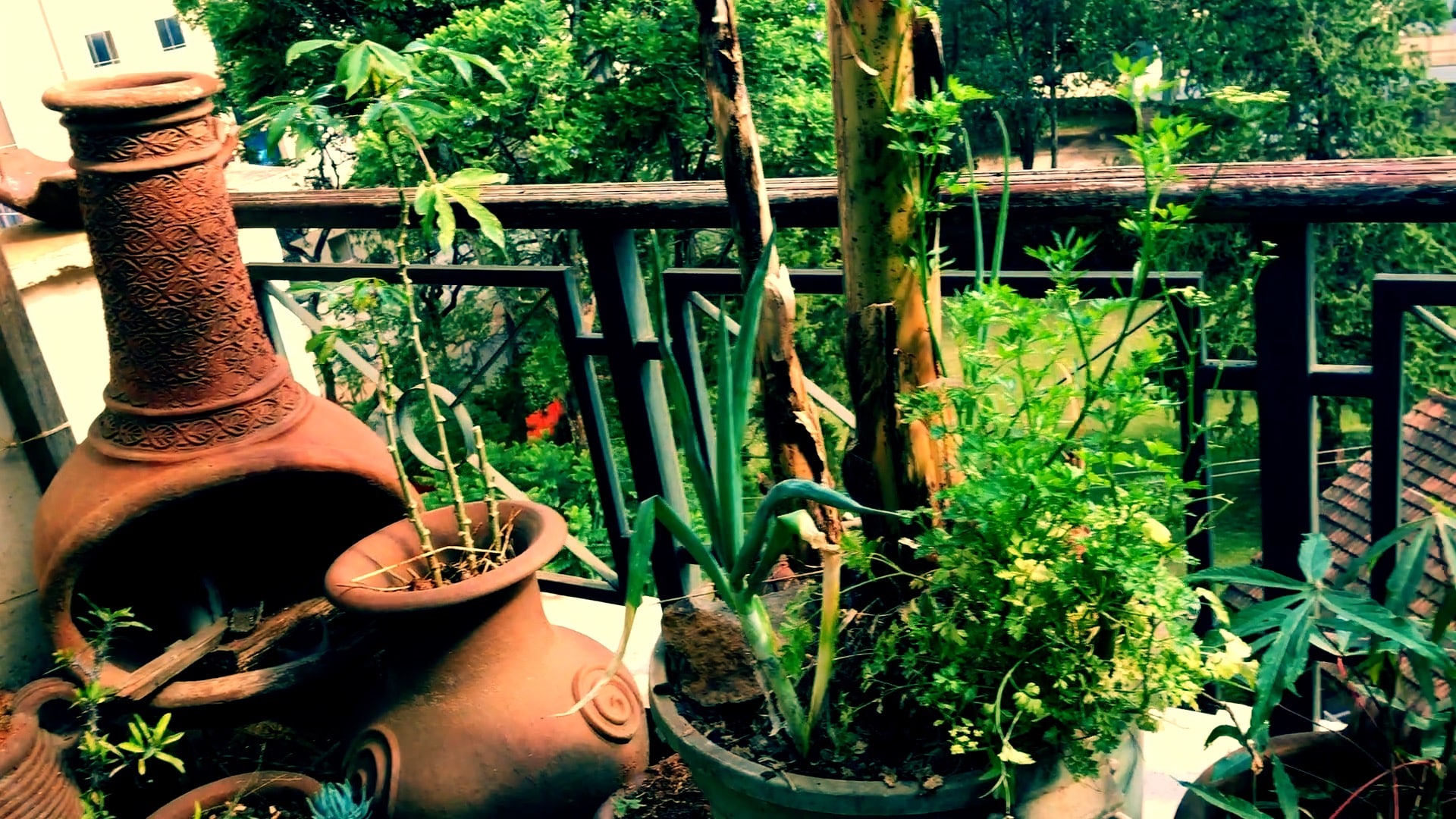
Bigger is better for moisture retention and root space. Honestly, go for the largest pots you can manage. Ensure they have excellent drainage. Your soil is everything—don’t skimp. Use a high-quality potting mix, and consider adding compost for fertility and worm castings for biology. It’s the foundation of your entire ecosystem.
Step 2: Selecting Your “Canopy” Tree
In a small space, this is likely a single dwarf or ultra-dwarf fruit tree. Look for varieties grafted onto dwarfing rootstock. Excellent choices include:
- Columnar Apples: Grow tall and narrow, perfect for tight spots.
- Dwarf Fig: Loves containers, produces delicious fruit.
- Dwarf Citrus: Meyer lemon, Calamondin orange. They need sun and can winter indoors in colder climates.
Step 3: Building the Understory
This is where the magic happens. Under and around your tree, plant your supporting cast.
- Pollinator Attractors: Borage, chives, lavender, marjoram.
- Ground Covers/Living Mulch: Creeping thyme, oregano, alpine strawberries (which also fruit!). They suppress weeds and keep soil cool.
- Nitrogen Fixers: In containers, this is trickier, but you can use annuals like bush beans or peas in the rotation.
Creative Ideas for Extreme Small Spaces
No balcony? No problem. Get creative.
The Vertical Pallet Garden: Secure a pallet, line it with landscape fabric, fill with soil, and plant herbs, lettuces, and strawberries in the slats. Lean it against a sunny wall.
The Hanging “Forest”: Use hanging baskets for trailing plants like cherry tomatoes, nasturtiums (edible flowers!), or even a cascade of sweet potatoes for greens.
The Window Box Food Guild: A long, deep box can host a miniature guild: a compact pepper plant (your mini-canopy), with basil and marigolds as companions, and some creeping thyme spilling over the edge.
The Realistic Challenges (And How to Beat Them)
It’s not all sunshine and berries. Small-space food forestry has its hurdles. Watering is critical—containers dry out fast. Consider setting up a simple drip irrigation system on a timer. Or, you know, just be diligent.
Nutrient management is another. You’re asking a lot from a confined soil volume. Top-dress with compost annually and use organic liquid fertilizers like fish emulsion or seaweed tea during the growing season. Watch your plants. They’ll tell you what they need.
Pests? A diverse planting is your first defense. Healthy plants resist better. Hand-pick pests when you see them. Encourage ladybugs and lacewings. It’s about balance, not eradication.
The Long Game: It’s a Journey, Not a Sprint
Your tiny food forest will evolve. Some plants will flourish; others might not. That’s okay. You’ll learn to observe, to see your space as a web of relationships, not just a collection of pots. You’ll taste the difference. You’ll notice more bees. You’ll find a quiet satisfaction in tending your own miniature, edible world.
In the end, urban food forestry in small spaces is a powerful act of hope and practicality. It’s a testament to the fact that you don’t need vast land to cultivate abundance. You just need a little soil, some thoughtful planning, and the willingness to start—to plant that first tree and watch an entire ecosystem, however small, begin to grow around it.